
Comparing Wood and Vinyl Fencing Options
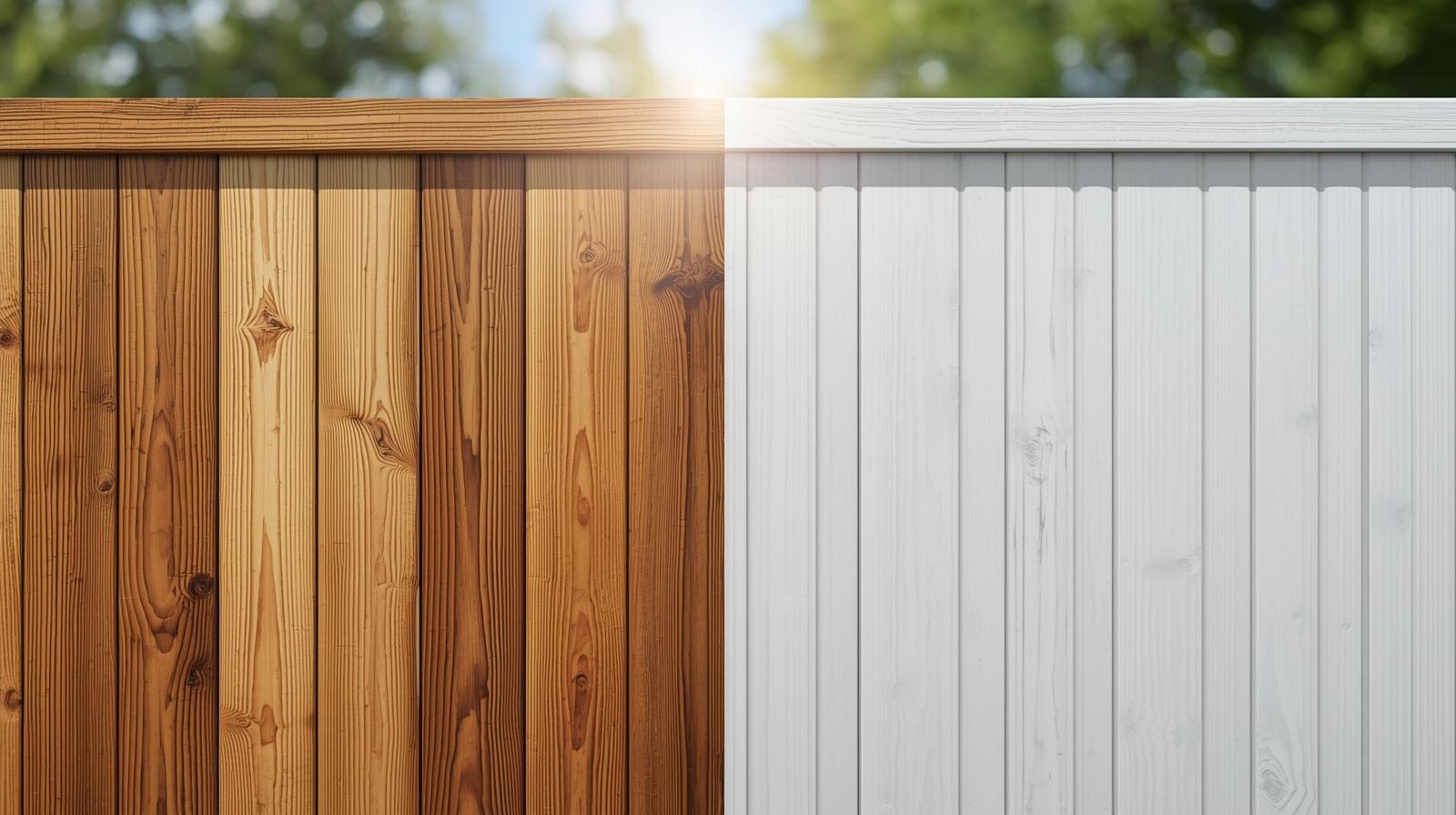
If you live in Wisconsin, you know our weather plays by its own rules. One minute you're enjoying a summer BBQ, the next you're digging out from a foot of heavy snow. Your fence must endure it all, from humid July days to the deep freeze of January. This constant battle with the elements is what ultimately determines a fence's lifespan.
Choosing a new fence is a big investment, and you don't want to spend thousands on something that warps, cracks, or rots after a few harsh seasons. When it comes to the classic debate—wood vs. vinyl—how do you make the smartest call for your home and your wallet?
This guide breaks down which material offers the best all-weather fencing solution for Wisconsin, revealing the #1 enemy of local fences and the true long-term cost beyond the upfront price.
The Classic Look: What to Really Expect from a Wood Fence in Wisconsin
There's no denying the classic, natural beauty of a wood fence. You’ll likely see two main options: pressure-treated (PT) pine and cedar. PT pine is the more budget-friendly choice; it's chemically treated to resist rot and insects. Cedar is the premium option, containing natural oils that make it inherently resistant to decay and bugs, which is why it has a higher price tag.
However, neither wood is invincible against a Wisconsin winter. The real enemy isn't just rot—it's water getting into the wood, freezing, expanding, and slowly tearing the wood fibers apart. This process weakens the boards and posts year after year, overwhelming even cedar's natural defenses.
Think of sealing your fence like putting a good winter coat on it. A quality stain or sealant does more than add color; it creates a waterproof barrier. This barrier stops melting snow and rain from soaking into the wood, protecting it from the destructive freeze-thaw cycle. This single step is the most important thing you can do to extend your fence's life.
For either wood type, this isn't a one-and-done job. A realistic maintenance schedule in our climate means setting aside a weekend to clean and re-seal it every two to three years. It’s a commitment, but it’s essential to prevent your investment from turning into a gray, splintered eyesore.
The Low-Maintenance Promise: Is Vinyl a "Set-and-Forget" Solution?
Tired of staining a fence every few years? Vinyl’s appeal is its promise of low-maintenance living. But be warned: not all vinyl is created equal. A cheap, low-quality vinyl fence can become a brittle nightmare after a few Wisconsin winters, cracking more easily than you’d expect.
The secret to durability lies in the material's recipe. Quality fences use "virgin vinyl," meaning pure plastic, not weaker recycled materials. More importantly, they contain UV inhibitors—like titanium dioxide—that act as a built-in sunscreen. This protection stops our intense summer sun from breaking down the plastic and making it brittle. Without it, a fence that seems sturdy in August can easily crack from a fallen branch or a bump from a snowblower during a deep January freeze.
So, “low-maintenance” really means occasionally washing off dirt and the green mildew that can grow in shady spots. To avoid a bad investment, ask any potential installer two simple questions: “Is this 100% virgin vinyl?” and “What does the warranty cover for cracking in cold weather?” A quality product will have a clear, confident answer for both.
How Wisconsin Winters Wage War on Your Fence
Ever wonder why so many fences are leaning after a tough winter? It's often the ground's fault. When saturated soil freezes, it expands upward with incredible force. This is called frost heave, and it can shove shallow fence posts right out of their holes, whether they’re wood or vinyl. The only defense is a proper installation, with posts set in concrete footings deep below the regional frost line (typically 42-48 inches) to anchor the fence below the moving soil.
The ground isn't the only threat. The heavy, wet snow we get puts immense pressure on panels and posts as it piles up. This can cause wood pickets to warp or pop their nails. For vinyl, a lower-quality, thinner panel might bow significantly under the load, a stress that can contribute to cracking later.
Then there’s the sheer cold itself. In a deep January freeze, the extreme cold makes plastic less flexible and more brittle. This is vinyl’s biggest winter weakness. An impact that wouldn't leave a mark in August—like a bump from a snowblower or a heavy falling branch—can cause a clean crack through a panel. Quality, thick-walled vinyl is more resistant, but the risk remains.
Surviving winter here means winning a battle on three fronts: heaving ground, heavy snow, and brittle-inducing cold. This proves the best fence isn't just about the material, but also its quality and the depth of its installation.
The Summer Gauntlet: Surviving Sun, Humidity, and Storms
The intense summer sun is constantly working to break down your fence. For wood, UV rays destroy the protective stain, leaving the wood exposed to moisture. On vinyl, this UV exposure is like a long-term sunburn, slowly fading the color and making the material brittle over many years. Better vinyl has built-in UV inhibitors, but it's a battle that never truly ends for either material, making them key considerations for all-weather fencing solutions.
Wisconsin’s muggy air then exploits any weakness. For wood, that constant humidity creates a perfect breeding ground for the mold, mildew, and fungus that cause rot. This is why preventing wood fence rot from moisture with a good sealant is so critical. Vinyl, by contrast, shrugs off humidity, only needing an occasional wash to remove any surface grime.
Finally, direct heat introduces another challenge: fence material thermal expansion and contraction. Vinyl naturally expands in the heat, and without small gaps left during installation, a panel can permanently warp or buckle on a hot day. These constant battles against sun and moisture all have a price, raising the question of what each fence really costs over its lifetime.
The Real Cost: Upfront Price vs. 15-Year Lifetime Value
When you compare quotes, the wood vs vinyl fence cost difference is impossible to ignore. A wood fence is almost always cheaper on day one. But what about day 3,000? To see the full picture, you must look beyond the initial price and consider the "lifetime cost"—the total you'll spend over 15 years, including maintenance, materials, and your own time.
Let's break down the numbers for a typical 150-foot privacy fence.
150-ft Wood Fence (15-Year Cost):
Upfront Installation: ~$9,000
Maintenance: ~$600 every 3 years for stain/sealer ($3,000 total)
Total: ~$12,000 + 5 lost weekends
150-ft Vinyl Fence (15-Year Cost):
Upfront Installation: ~$14,000
Maintenance: ~$0-$50 for occasional soap
Total: ~$14,000 + a few hours washing
That initial $5,000 gap closes significantly over the fence's life. By year 10, you've likely hit the break-even point in pure cash, not even counting the value of reclaiming your weekends. While the higher cost to install a vinyl fence in WI is an investment, it pays you back in time and money, making it one of the best low maintenance fence options.
When a Winter Storm Hits: A Realistic Look at Fence Repairs
Inevitable winter damage requires a practical repair plan. With traditional wood fencing, the fix is often straightforward. You can typically replace a single cracked or warped board for a few dollars. While the new board’s color will stand out for a season or two until it weathers, the repair itself is simple and inexpensive.
A vinyl fencing repair, however, is a different story. The answer to, "Will a vinyl fence crack in the cold?" is yes, and an impact can damage an entire panel. Because panels are a single, solid piece, you must replace the whole section. The real challenge comes years later when you try to find a perfect match, as your fence's color may have faded or the manufacturer might have discontinued that specific style.
This brings us to a crucial pro-tip: If you choose vinyl, buy one or two extra panels with your initial order. Storing them is the single best way to guarantee a perfect match for future repairs.
The Third Option: Is Composite Fencing a Good Fit for Wisconsin?
For homeowners who love wood's appearance but dread the maintenance, there’s a third option: composite fencing. Think of it as a smart hybrid—a blend of wood fibers and recycled plastics. It delivers the rich, textured look of real wood but shrugs off moisture and sun like vinyl, meaning no yearly staining or sealing is required to prevent rot or fading.
This premium performance, however, comes at a cost. Composite is generally the most expensive option upfront. It’s a solution for homeowners who prioritize a beautiful, hassle-free fence and whose budget can accommodate that premium investment.
So, Which Fence is Right for Your Wisconsin Yard?
The choice between a wood vs. vinyl fence ultimately comes down to your personal priorities, your budget, and how you want to spend your weekends. The right fence isn't about which material is universally 'better,' but which one best fits your life.
Make Your Choice:
Choose WOOD if: You love the natural look, enjoy hands-on projects, and have a smaller upfront budget.
Choose VINYL if: You value your free time, want minimal chores, and prefer a higher upfront cost for long-term peace of mind.
Consider COMPOSITE if: You want the look of wood with zero maintenance and have a premium budget.
By weighing the cost of installation against the cost of your time, you can confidently choose the best fence material for your home and finally secure your yard for years to come.
