
Wood vs Vinyl Fence in Wisconsin Climate
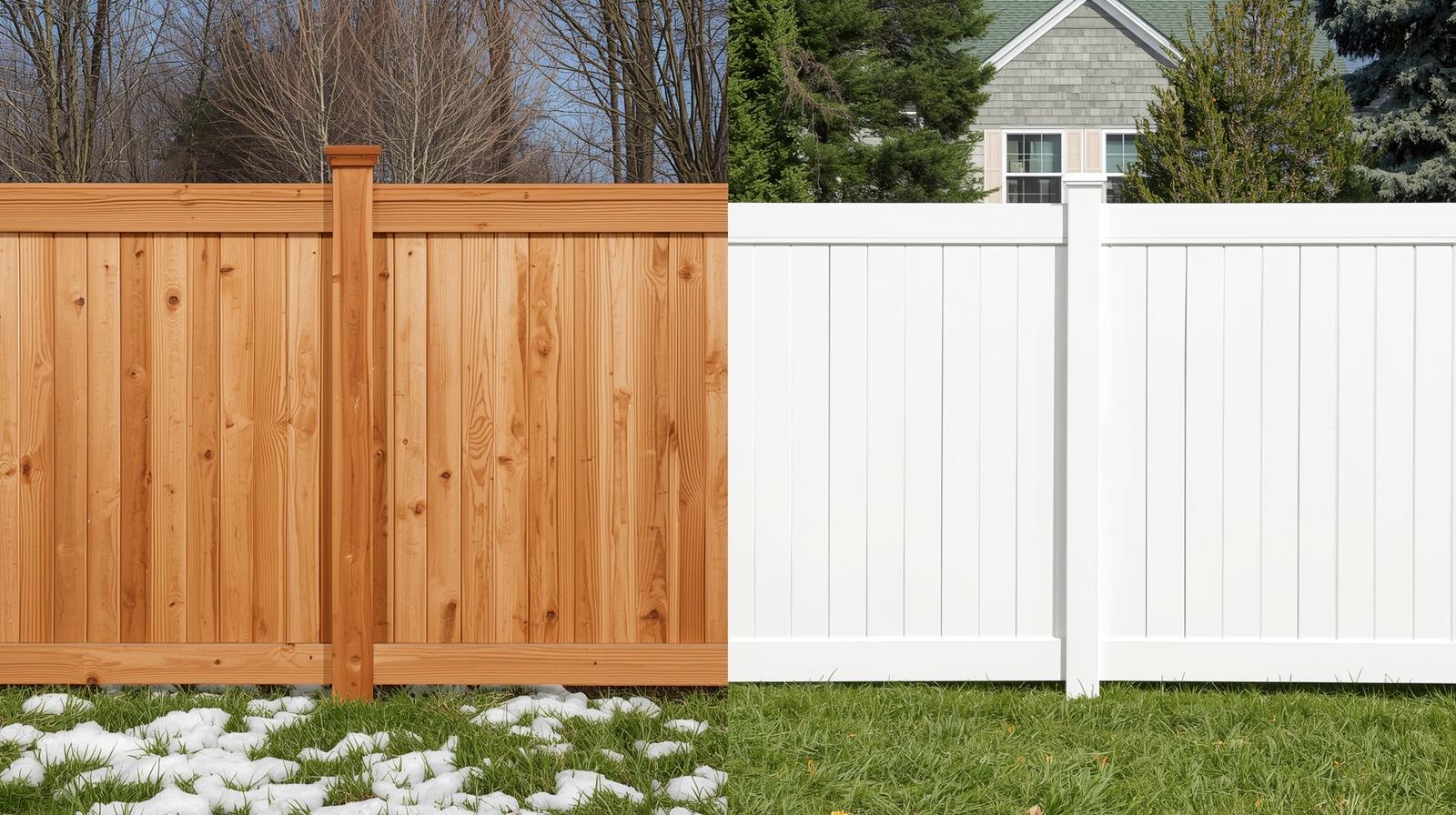
Choosing the right fencing material in Wisconsin isn’t just about appearance—it’s about durability, maintenance, and long-term value. With freezing winters, humid summers, strong winds, and heavy snowfall, the Midwest climate puts fencing materials to the test.
At Dach Fence, serving Southern Wisconsin and Northern Illinois, we install both wood and vinyl fencing for residential and commercial properties. If you're deciding between the two, this guide breaks down how each performs specifically in Wisconsin’s demanding conditions.
Introduction
Homeowners across Wisconsin want fencing that offers privacy, security, and curb appeal. But what works in mild climates doesn’t always perform well here.
Wisconsin’s weather includes:
Sub-zero winter temperatures
Deep frost (up to 48” frost depth in many areas)
Freeze-thaw cycles
High humidity in summer
Strong wind gusts
Heavy snow accumulation
When comparing wood vs vinyl fence in Wisconsin climate conditions, the decision often comes down to maintenance tolerance, budget, and long-term expectations.
Cost Comparison in the Midwest
Pricing in Wisconsin and Northern Illinois varies based on yard size, terrain, and installation complexity, but here are realistic installed cost ranges:
Wood Fence Installation
$28–$45 per linear foot
Lower upfront cost
Staining/sealing required every 2–3 years
Vinyl Fence Installation
$35–$55 per linear foot
Higher initial investment
Minimal maintenance long term
In Wisconsin, ongoing staining and weather protection costs for wood can narrow the price gap over time.
How Wisconsin Climate Affects Wood Fencing
Strengths of Wood in Wisconsin
Natural look that fits traditional Midwest homes
Easy to customize in height and design
Repairs are straightforward and affordable
Weather Challenges
1. Freeze-Thaw Cycles
Moisture enters wood fibers and expands when frozen. Over time, this causes cracking and splitting.
2. Frost Heave
Improperly installed posts can shift during winter if not set below frost depth.
3. Humidity & Rain
Summers in Wisconsin bring moisture that can lead to rot or mold without proper sealing.
4. Snow Load
Heavy snow buildup can stress horizontal rails.
Best Wood Choice for Wisconsin
Cedar performs better than pressure-treated pine due to natural resistance to rot and insects.
Upgrading to steel posts dramatically improves structural stability.
With proper maintenance, a cedar fence can last 15–20 years in Wisconsin.
How Wisconsin Climate Affects Vinyl Fencing
Strengths of Vinyl in Wisconsin
Resistant to moisture and rot
No staining or painting required
Withstands humidity well
Long lifespan
Weather Challenges
1. Extreme Cold
Lower-quality vinyl can become brittle in sub-zero temperatures.
2. Impact Damage in Winter
Frozen vinyl is less flexible and can crack if hit (for example, by snow removal equipment).
3. Wind Exposure
Solid privacy vinyl panels must be reinforced properly to resist Midwest wind gusts.
Why Professional Installation Matters
In Wisconsin, vinyl posts must be set deep below frost line and reinforced correctly. Cheap installations are more likely to fail during winter ground movement.
With quality materials and proper installation, vinyl fences can last 20–30+ years.
Installation Process Differences
Both wood and vinyl require careful installation in Wisconsin’s soil conditions.
Critical Installation Factors:
Posts set 42–48 inches deep
Proper drainage considerations
Concrete footing suited for clay-heavy soil
Expansion allowances for temperature swings
Vinyl requires more precise leveling and spacing. Wood offers more flexibility on uneven terrain.
At Dach Fence, we engineer every installation for Midwest freeze depth and seasonal expansion.
Maintenance Requirements
Wood Fence Maintenance in Wisconsin
Stain or seal every 2–3 years
Inspect for rot after winter
Replace occasional warped boards
Monitor post stability
Vinyl Fence Maintenance
Occasional washing with soap and water
Inspect for cracks after extreme cold
Minimal long-term upkeep
If you prefer a low-maintenance option for Wisconsin weather, vinyl typically requires less effort over time.
Repair vs Replacement Considerations
When Wood Is Easier to Repair
Individual boards can be replaced
Cost-effective spot repairs after storms
Typical repair costs: $250–$1,200
When Vinyl Makes More Sense Long-Term
Lower repair frequency
Color doesn’t fade as quickly as stained wood
No ongoing staining costs
If your existing wood fence shows widespread rot or post movement from frost heave, replacement may be more cost-effective than repeated repairs.
Which Is Better for Wisconsin Climate?
There is no one-size-fits-all answer. The better option depends on your priorities.
Choose Wood If:
You prefer a natural appearance
You don’t mind regular maintenance
You want lower upfront cost
You may customize design frequently
Choose Vinyl If:
You want minimal maintenance
You prefer long-term durability
You want consistent color
You plan to stay in your home long-term
In Wisconsin climate conditions, both materials perform well when professionally installed with frost-depth considerations.
Why Choose a Local Fence Contractor in Wisconsin?
Midwest fencing isn’t the same as installing in warmer climates. Soil composition, frost depth, and wind exposure all matter.
Dach Fence serves Southern Wisconsin and Northern Illinois with:
Deep understanding of Wisconsin frost lines
Knowledge of local permit requirements
Weather-specific installation techniques
High-quality materials suited for Midwest conditions
Choosing a contractor familiar with Wisconsin climate challenges ensures your fence stands strong for decades—not just a few seasons.
5 Frequently Asked Questions
1. Does vinyl crack in Wisconsin winters?
High-quality vinyl designed for cold climates performs well, but cheaper materials can become brittle in sub-zero temperatures.
2. How long does a wood fence last in Wisconsin?
With proper maintenance, cedar fencing lasts 15–20 years.
3. Which fence handles snow better?
Both can handle snow if properly installed, but vinyl requires reinforcement in high-wind areas.
4. Is vinyl worth the higher cost?
If you want low maintenance and long lifespan, vinyl often provides better long-term value in Wisconsin climate conditions.
5. What’s the best fence for high winds in Wisconsin?
Cedar with steel posts or reinforced vinyl privacy fencing are strong options.
Get Expert Fence Installation Built for Wisconsin Climate
If you’re weighing wood vs vinyl fence in Wisconsin climate conditions, professional guidance makes all the difference.
At Dach Fence, we install durable, climate-engineered fencing for residential and commercial properties throughout Southern Wisconsin and Northern Illinois.
Contact us today for a free estimate and let’s build a fence designed to withstand Wisconsin weather for years to come.
