
Factors Affecting Wood Fence Durability in Wisconsin
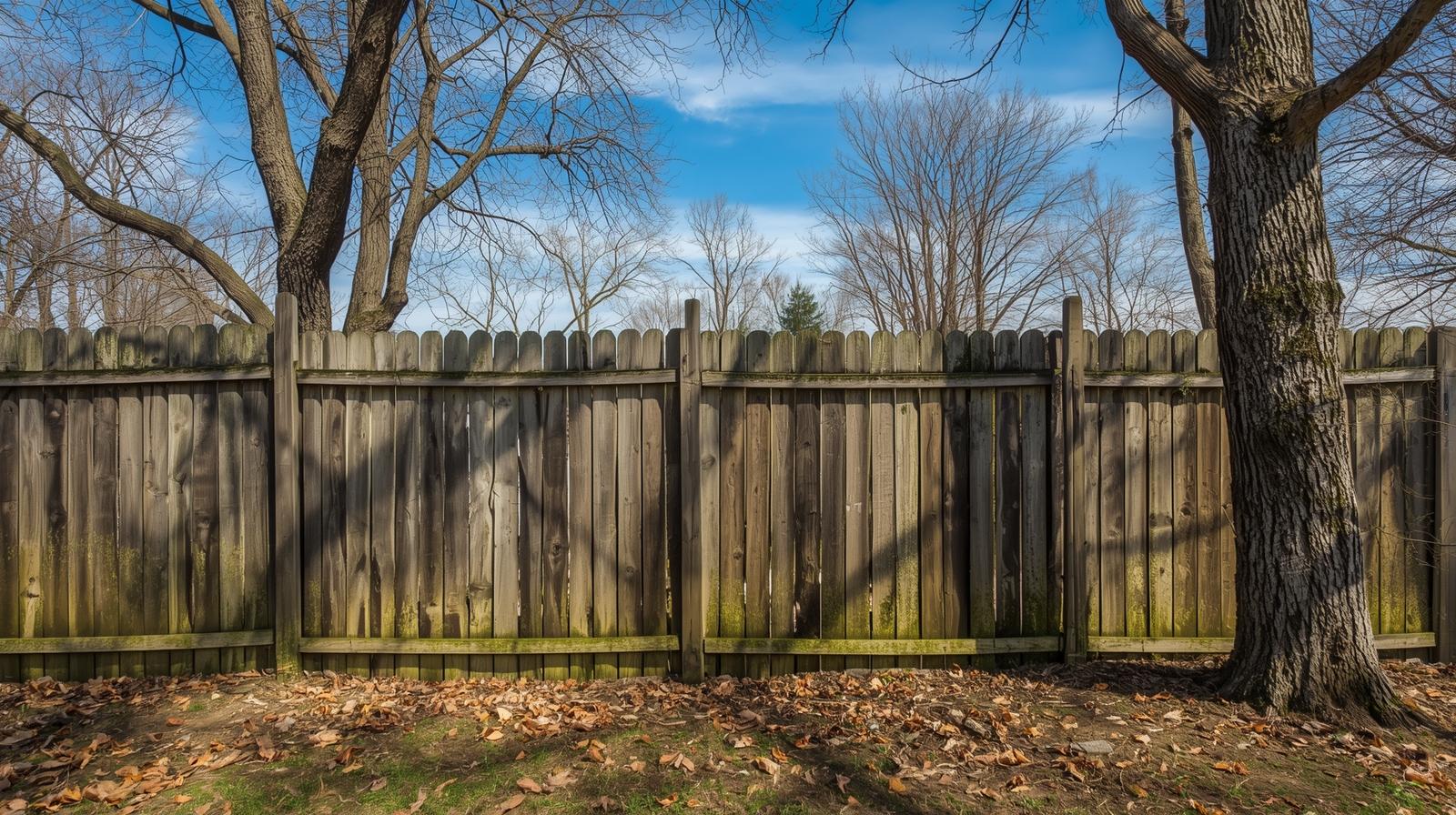
Leaning posts, green-tinged boards, a gate that won’t quite close—sound familiar? After a long Wisconsin winter, many homeowners look at their wood fence and wonder how much longer it has. A wood fence's lifespan in Wisconsin can range from a disappointing 7 years to a solid 25 years or more, and this vast difference isn't random. The gap between a fence that fails quickly and one that stands strong for decades comes down to specific, controllable choices.
Your fence investment is ultimately protected by three key factors: the type of wood used, the quality of the installation, and your approach to ongoing maintenance. Understanding how each of these works is the secret to ensuring your fence lasts.
Cedar vs. Pressure-Treated Pine: Choosing the Right Wood for Wisconsin Weather
When shopping for a wood fence, your decision will likely boil down to two main options: natural Cedar and pressure-treated (PT) pine. While both create a beautiful boundary, the real difference in the cedar vs. pine fence debate for Wisconsin weather comes down to how they fight off moisture and rot.
Cedar is the natural champion against decay. It’s inherently equipped with oils and compounds that act as a built-in defense, actively repelling the moisture and insects that thrive in our damp seasons. Because of this natural resistance, a cedar fence in WI can last 15, 20, or even 25 years with proper care. It’s a premium choice with a longer lifespan to match.
On the other hand, pressure-treated pine is the budget-friendly workhorse. Standard pine isn’t naturally durable, so it goes through a process where chemical preservatives are forced deep into the wood. This infusion gives it the toughness to stand up to the elements, and you can typically expect a solid 10 to 15 years from a pressure-treated wood fence.
Your choice is a trade-off: Cedar’s higher upfront cost buys you natural longevity, while PT pine offers excellent value. However, even the best wood will fail quickly if its foundation is weak.
Why the Most Important Part of Your Fence Is Buried Underground
Have you ever noticed a perfectly straight fence start to lean after a tough winter? The problem almost always begins where you can’t see it. Even the strongest cedar or pressure-treated pine posts will fail if they aren’t anchored correctly to withstand Wisconsin's powerful freeze-thaw cycles.
This powerful force has a name: frost heave. As our soil freezes, the moisture within it expands with incredible strength. If a fence post is set too shallow, this expanding, frozen ground will grip it and shove it upward, a little more each year, until the entire structure is tilted and unstable.
To prevent this, professionals install posts in concrete footings that extend below the regional frost line, typically four feet deep across most of Wisconsin. This footing anchors the post in stable, unfrozen soil, stopping frost heave completely. Just as importantly, the concrete creates a protective barrier, preventing the constantly damp soil from making direct contact with the wood and causing it to rot from the bottom up. Putting a post directly into the dirt is the number one cause of premature fence failure.
Is Staining Your Fence Just for Looks? The Real Job of Sealants and Stains
While a fresh coat of stain certainly looks great, its most important job is acting as frontline armor against sun and water. Throughout the summer, intense UV radiation breaks down the wood's surface, causing that familiar faded, silver-gray look. This isn't just a color change; the sun damage makes the wood brittle and prone to cracking. A quality stain acts like sunscreen for your fence, with pigments that block these damaging rays and preserve the wood's structural integrity.
Moisture poses an even more destructive threat. When rain or snow soaks into unprotected wood, the trapped water freezes and expands, acting like a tiny wedge that slowly pries the wood apart from within. This relentless freeze-thaw cycle turns small imperfections into deep splits that invite rot.
This is why weatherproofing is so critical. A sealant acts as a clear raincoat, while a stain often includes a sealant, giving you that raincoat and the sunscreen in one application. Protecting the wood with one of these finishes is the single most important piece of fence maintenance you can perform.
Your Simple Wood Fence Maintenance Schedule for the Midwest
Effective wood fence maintenance doesn't have to take over your weekends. By breaking down tasks by season, you can easily stay ahead of damage and dramatically extend the life of your investment.
Spring Check-Up (After the Thaw): Walk your fence line and look for signs of winter stress. Gently push on posts to check for wobbling. Note any cracked boards or leaning sections that might need repair. Catching a loose post early is far easier than fixing a collapsed section later.
Early Summer Wash (On a Dry Weekend): Give your fence a gentle cleaning. A power washer on its lowest setting or a pump sprayer with a fence-safe cleaner can remove the green and black mildew that traps moisture against the wood.
Late Summer/Fall Protection (Every 2-4 Years): This is when you re-apply your stain or sealant. You’ll know it’s time when rainwater soaks into the boards instead of beading up on the surface. For a quality stain in the Midwest climate, a 2-to-4-year cycle is a realistic and effective target.
How to Winterize a Wood Fence to Prevent Spring Surprises
While your stain or sealant is the main line of defense, winterizing provides an extra layer of protection. Before the first snowflake flies, clear away any piled-up leaves, soil, or mulch from the base of your fence. This debris acts like a wet sponge, holding moisture against the bottom boards and creating a perfect environment for rot.
Once the snow arrives, keep the wood as dry as possible. Heavy, wet snow piled against your fence provides a constant source of moisture that soaks into the pickets and posts. After a major snowfall, try to knock down any significant drifts that have built up against the fence line.
Finally, be aware of corrosive salt spray if your fence is near a street or driveway. Road salt damages wood fences by pulling the natural moisture out, causing the wood to become brittle and age faster. A quick, gentle rinse with your garden hose in the spring is all you need to wash away the salt residue.
When Is It Time to Repair vs. Replace? 3 Telltale Signs Your Fence Is Failing
How do you tell the difference between normal aging and critical failure? Start with a simple diagnostic test. Grab a screwdriver and firmly press the tip into a suspect board or post, especially near the ground. If the wood feels solid, it’s likely just surface weathering. If the tip sinks in easily, like pushing into a styrofoam cooler, you’ve found significant rot—one of the clearest signs a wood fence needs replacing.
Next, assess the fence's overall stability. Is it just one wobbly post? That often points to a localized footing issue you can fix. But if multiple posts are loose, it signals a widespread failure below ground, meaning the fence’s entire foundation is compromised.
This leads to the financial question: repair or replace? As a general rule, if more than 25% of your fence shows deep rot or is unstable, replacement is the smarter long-term investment. Chasing constant spot-repairs on a failing structure can quickly become more costly and frustrating than starting fresh.
Your Blueprint for a 20-Year Fence in Wisconsin
The fate of your wood fence isn't a gamble against the weather; it’s the result of a series of smart choices you control. Achieving impressive durability boils down to a simple recipe that you can follow.
It begins with choosing the right wood for your budget, but the single most important step is ensuring the posts are set securely in concrete below the frost line. This one-time action provides a stable foundation and prevents rot from the ground up.
From there, a simple cycle of cleaning and sealing the wood every few years is the most effective maintenance you can perform. A beautiful fence that stands strong for decades is the direct result of proper installation and consistent care—and now you have the blueprint to make it happen.
