
Commercial Fence Installation Timeline
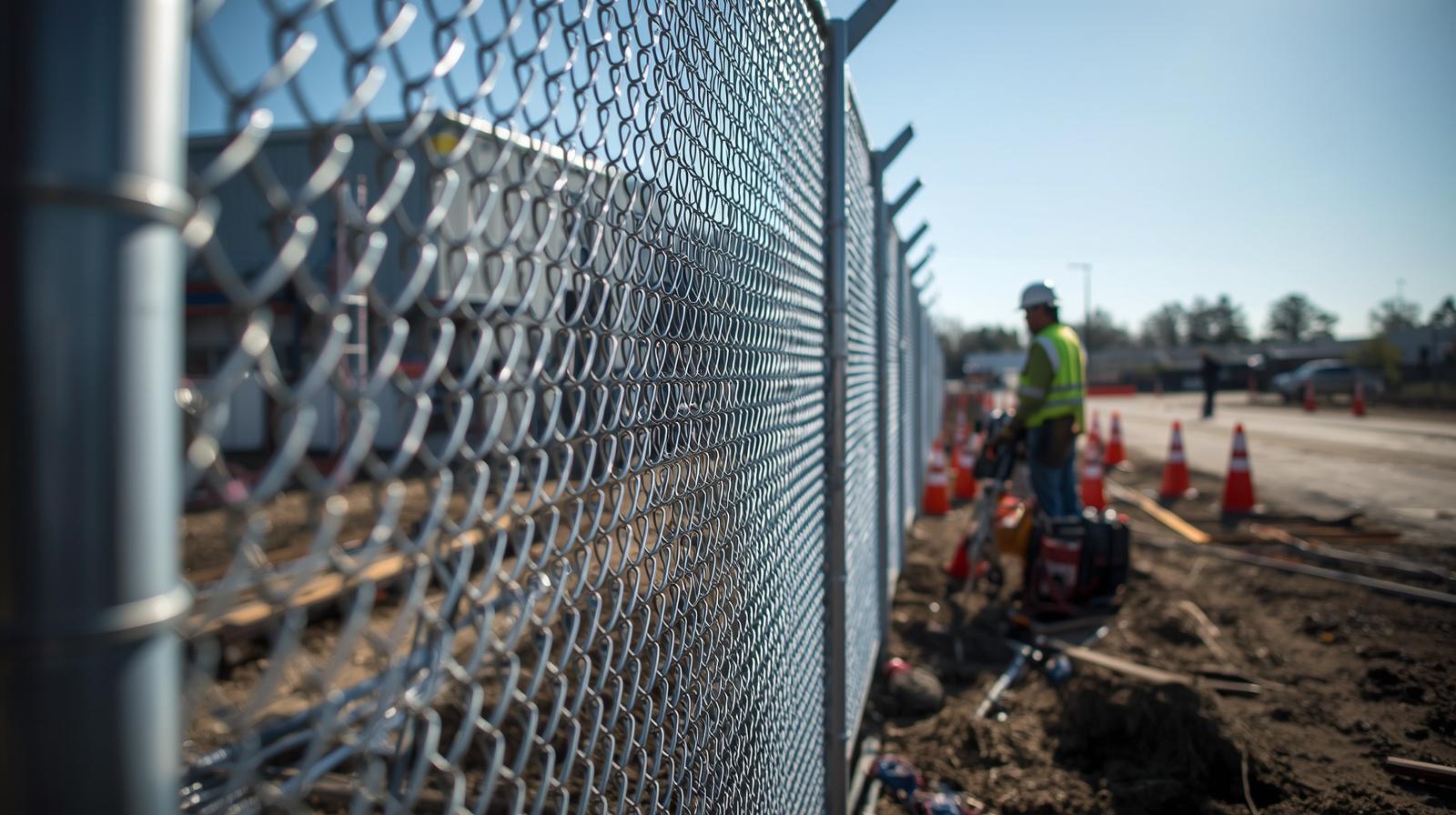
How long does it really take to install a commercial fence? Many property managers are surprised to learn the on-site work is often the shortest part of a project that spans four to twelve weeks. The total project duration is shaped by five distinct phases—not just the few days of physical labor. From securing permits to accounting for material lead times, several critical steps must happen before a crew ever arrives.
This guide walks you through each of the five phases, explaining what to expect and why each step is essential for a secure, long-lasting installation. Understanding this real-world process will give you the clarity needed to plan your business operations around the project.
Phase 1: Planning and The Site Survey (1-2 Weeks)
Everything starts with a detailed walk-through of your property, which fence contractors call a site survey. This isn’t just about measuring distance; it’s the foundational step for creating an accurate quote and a reliable timeline. An estimate given over the phone cannot account for your property's unique conditions, making this on-site meeting essential for avoiding unexpected costs.
During this walk-through, we identify potential obstacles that affect labor and scheduling, like steep hills, large tree roots, or existing pavement that might require special equipment. This is the time to finalize the layout, confirming where gates should go for easy access and how the fence will interact with your existing buildings and parking areas.
You can make this phase more efficient by preparing in advance. Before we arrive, walk the proposed fence line and note any sprinklers, drainage areas, or future expansion plans. Pointing these details out helps us build a comprehensive plan, ensuring the project starts smoothly and stays on track.
Phase 2: Contracts, Permits, and Material Lead Times (2-8+ Weeks)
Once your contract is signed, the project enters what is often its longest phase: waiting. This period is dedicated to two critical off-site tasks that dictate when work can begin: securing permits and ordering materials. It's a "hurry up and wait" stage where crucial progress happens behind the scenes.
For many commercial projects, especially those over a certain height or near public property, a building permit is required. This is official approval from your local city or county to proceed. While your contractor manages the paperwork, the government's review and approval timeline is out of their control and can take anywhere from two to six weeks.
At the same time, your materials are ordered. Commercial fencing material lead times are one of the biggest variables in any project schedule. Asking about these timelines before signing a contract helps set clear expectations.
Standard Galvanized Chain Link: 1-2 weeks
Black Vinyl-Coated Chain Link: 2-4 weeks
Custom-Fabricated Ornamental Steel Gate: 6-10+ weeks
While some jobs can be accelerated with in-stock materials, most expedited commercial fencing services still depend on the permit timeline. With permits approved and materials delivered, your project is ready to break ground.
Phase 3: Site Prep and Setting The Foundation (3-7 Days)
With materials delivered, our crew begins the physical work. The first step is a critical safety measure: we call 811. This free national service alerts local utility companies to mark their underground lines. This legally required step prevents dangerous accidents and costly service outages.
After the area is cleared for safety, we dig precise holes for each post. The posts are then set perfectly straight and anchored in wet concrete, creating strong individual footings. These footings are the hidden foundation of your fence, ensuring the entire structure remains stable and upright for years.
Then comes an essential pause. Before we can attach the heavy fence panels, the concrete must cure, or chemically harden. This non-negotiable fence post concrete curing time—typically taking a few days—is what prevents the posts from shifting under load. While your site is quiet, this process is working to guarantee the long-term stability of your new fence.
Phase 4: Completing The Build (2-5 Days)
Once the concrete footings are solid, your project quickly becomes a fence. Our crew stretches chain link fabric taut for a clean fit or hangs individual panels for wood and steel fences. This is often the fastest and most visually satisfying stage, as the full scope of your new perimeter takes shape in just a day or two.
Next, we focus on functionality. Gates are hung, and all hardware like latches and closers are installed. We then test every gate to ensure it swings smoothly and latches securely, providing the reliable access your business needs.
The final step is a thorough clean-up. We gather all excess materials, dirt, and construction debris, leaving your property ready for business. The only trace we leave behind is a brand-new, perfectly installed fence.
The X-Factors: 3 Delays You Can't Control (But Can Plan For)
An ideal timeline provides a great roadmap, but even the best plans must account for the unexpected. Understanding these potential "x-factors" helps you anticipate shifts in the schedule.
Weather is the most common variable. Heavy rain, high winds, or frozen ground can halt all digging and concrete work for safety and quality reasons. It is a good practice to ask how your contractor’s agreement handles weather delays for fence construction.
What lies beneath the surface is another of the top factors affecting fence installation time. Hitting unexpected rock, old foundations, or soft soil requires different tools and techniques to ensure your fence posts are secure, which can add time to the project.
Finally, for large or active commercial sites, we may recommend a phased fence installation to maintain access to critical areas. Once these variables are managed and the job is complete, it's time to verify the results.
Your Final Walk-Through: A 3-Point Inspection Checklist
With the installation complete, the final step is the walk-through. This is your opportunity to confirm the quality with your fence contractors and sign off with confidence before making the final payment. Use this simple post-installation fence inspection checklist to review the work:
Gates and Latches: Does every gate swing smoothly and latch securely without sticking?
Fence Line Stability: Is the fence line straight? Gently push on a few posts—do they feel solid and secure?
Site Cleanliness: Have all excess materials, dirt piles, and construction debris been removed?
Completing this quick check officially concludes the business security fence installation process, giving you peace of mind that your property is secure and the job was done right.
From Quote to Completion: Your Timeline at a Glance
By mapping out the entire 4-to-12-week timeline, from permits to materials, you can transform uncertainty into a predictable plan that protects your business from disruption. A fence installed quickly is a fix; one installed methodically is an asset.
Your best first step is also your simplest. Walk your property, sketch your desired fence line, and note any gates or obstacles. This simple map is one of the most effective steps to prepare for your installation and begin securing your long-term investment.
