
Winter Fence Installation in Wisconsin
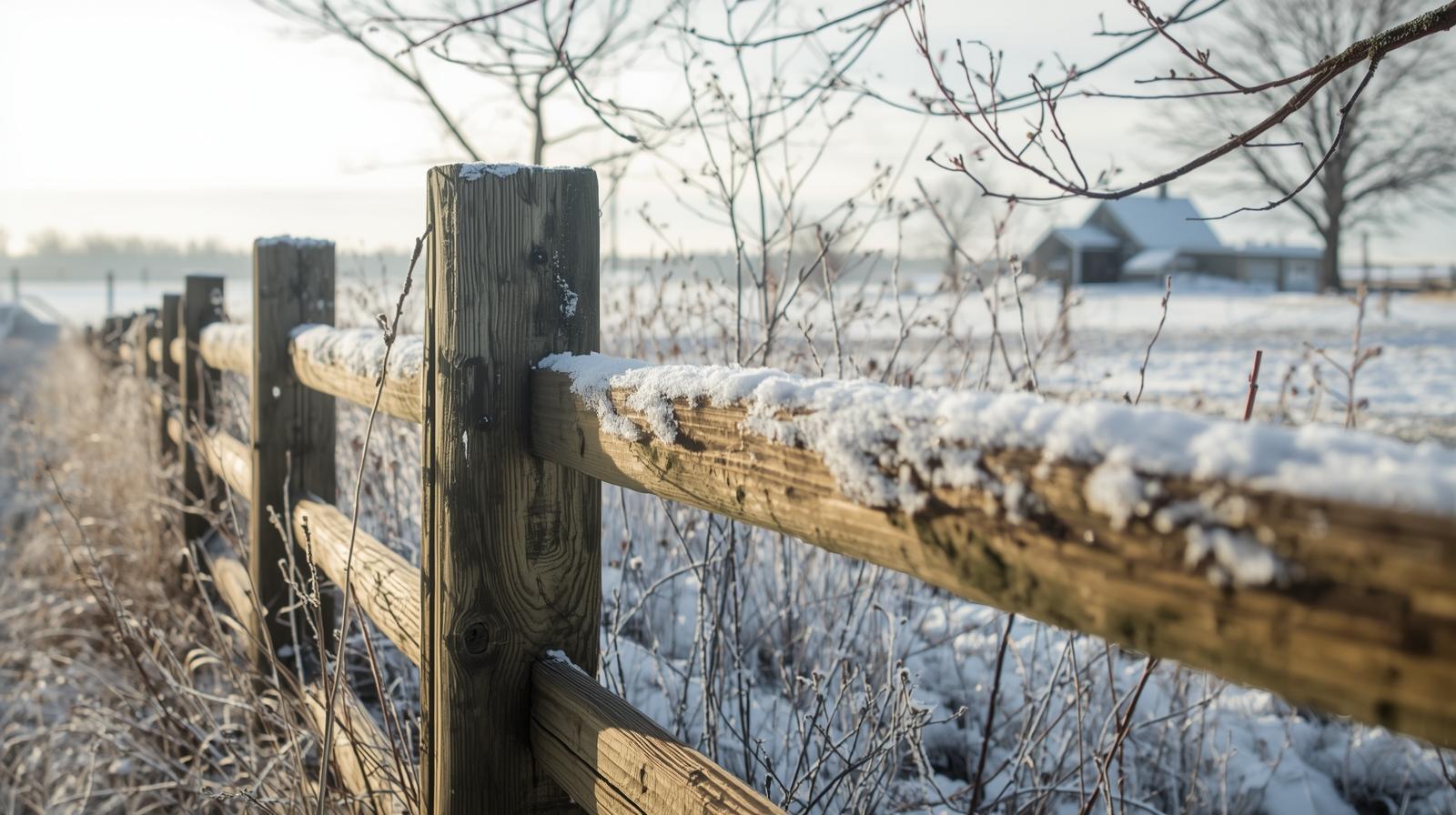
If you’ve ever tried to jab a shovel into frozen January soil, you know it’s like hitting concrete. This is why a winter fence installation is not a DIY project; it requires specialized equipment. Professional fence installers don’t fight the frost—they use powerful tools to get right through it, which is how to dig post holes in frozen soil correctly.
The two most common cold weather fencing techniques involve either a powered auger or a post driver. A powered auger is essentially a giant, engine-driven corkscrew that grinds through frost and frozen clay to bore a clean hole. Alternatively, some contractors use a hydraulic post driver, a machine that hammers the fence posts directly and powerfully into the ground.
Both methods are highly effective at reaching the necessary depth below the frost line. When getting a quote, ask your potential contractor which technique they use for winter projects. Their answer confirms they are equipped for the job, not just trying to make a summer method work in the cold. Of course, creating the hole is only half the battle.
Why Special Concrete is Non-Negotiable for a Lasting Fence
With a perfect hole dug, the next step isn’t pouring just any concrete. Standard concrete is like a chemical recipe that needs warmth to work. If it freezes before it fully hardens, the water inside expands and breaks the mixture apart from within. This leaves your expensive new fence post sitting in a weak, crumbly base that will quickly fail.
This is why professionals use special cold-weather concrete mixes. These formulas contain additives that act like antifreeze for concrete, allowing it to gain strength and cure properly even when temperatures are below freezing. This step ensures the foundation for your fence is just as solid and permanent as one poured on a warm summer day.
Finally, a pro knows that what goes in the hole first is critical. As you can see in the diagram, a layer of gravel at the bottom provides essential drainage. It’s like the hole in a flowerpot, giving melting snow and water a place to go instead of pooling around your post. Confirming your contractor uses both a gravel base and a cold-weather mix is your best guarantee of a job built to last.
Choosing Your Fence: Vinyl vs. Wood for Wisconsin Winters
While vinyl fencing is famous for its low maintenance, extreme cold can be its weakness. Cheaper vinyl can become brittle in sub-zero temperatures, almost like an old plastic toy left outside. This means a hard-thrown snowball or an accidental bump from a snowblower could cause it to crack. Higher-quality vinyl is more resilient, but it’s an important factor to discuss with your contractor.
A classic wood fence, on the other hand, isn’t at risk of cracking from cold. Its main enemy is moisture. Water from melting snow soaks into unsealed wood, and when it refreezes, it expands, causing boards to split and warp over time. For a wood fence to survive winter after winter, it must be properly stained or sealed.
For a material completely unfazed by temperature swings, consider aluminum. It doesn't become brittle in the cold or absorb moisture, making it one of the most stable and durable choices for Wisconsin. This resilience often comes at a higher price point, which leads to the next big question.
Is It More Expensive to Build a Fence in Winter?
The straightforward answer is yes, winter fence installation is more expensive, typically running 10% to 25% more than the same project in summer.
That price difference covers real-world challenges. Contractors must use specialized equipment to power through frozen ground, labor is naturally slower in the cold, and materials like special cold-weather concrete mixes cost more. This isn't an upcharge; it’s the cost of doing the job right under tough conditions.
The trade-off for that higher cost, however, is a huge gain in time. You get immediate access to great contractors who are booked solid from May through August. This off-season fence installation means your project is finished months before the spring rush begins, giving you a secure yard long before your neighbors even get their first quote.
5 Critical Questions to Ask Before Hiring for a Winter Install
Choosing the right professional for a winter project is the single most important step to avoiding a crooked fence come spring. Because the work is so specialized, you need to vet your contractor carefully. Use this checklist during the quoting process to ensure you're hiring experienced professional fence installers for snow conditions who understand the demands of cold climate fencing.
A qualified installer will have confident, clear answers for these critical questions:
How deep will you set the posts? (The only right answer is below the frost line, typically 48” or more in Wisconsin.)
What equipment do you use for frozen ground? (They should mention powered machinery like a skid-steer with an auger.)
What kind of concrete mix will you use? (Look for mentions of a "cold-weather mix" or specific additives.)
How do you handle snow clearing at the site?
Does the quote include all winter-related costs?
Your Winter Fence Project: A Secure Yard by Spring
A winter fence installation in Wisconsin isn’t impossible—it just follows different rules. A successful project depends on digging below the frost line, using equipment that can master frozen ground, and pouring concrete that cures in the cold. This careful approach separates a fence that lasts for decades from one that fails by spring.
Because of the specialized tools and materials required, this is a job for professionals. The next step is to contact local, insured contractors. With the information from this guide, you aren’t just asking for a price—you’re confidently ensuring your fence is built to withstand Wisconsin winters for years to come.
