
Vinyl vs Wood Fence in Footville, WI: Best Choice for Winter Weather
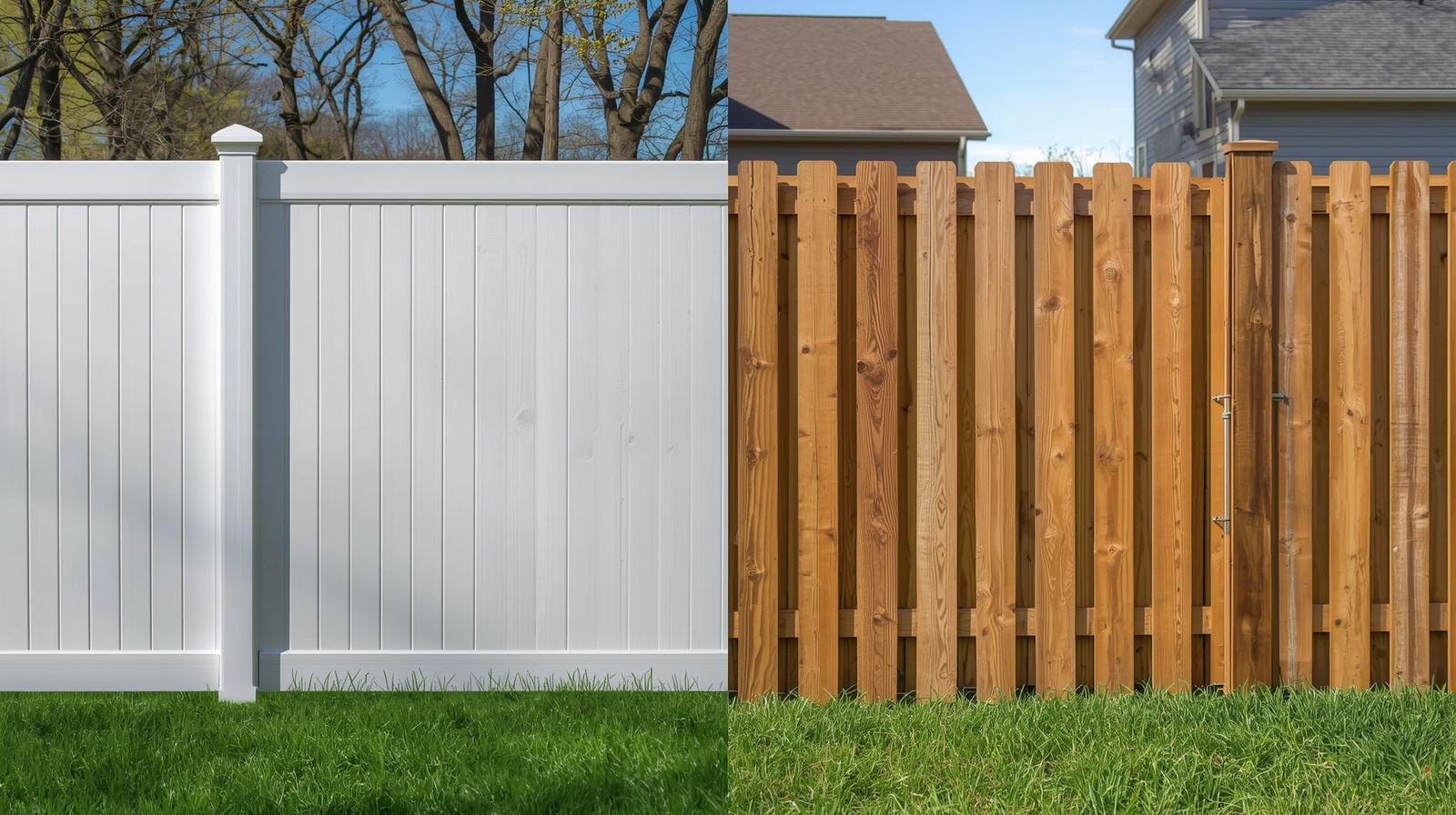
For Footville, WI winters, vinyl fencing is the better overall choice due to its resistance to moisture, freezing, and long-term wear. Wood fencing can still perform well, but it requires consistent maintenance to survive harsh winter conditions.
Why Winter Weather Matters in Footville, WI
Winter is the biggest test for any fence in Footville, WI. Snow, freezing temperatures, and moisture all put stress on materials.
Key winter challenges include:
Freeze–thaw cycles that expand and contract materials
Snow and ice buildup adding weight to panels
Moisture penetration that can freeze inside materials
Wind exposure during winter storms
These conditions are exactly where vinyl and wood perform very differently.
How Vinyl Performs in Winter
Vinyl fencing is designed to handle harsh climates.
Key Winter Advantages
Does not absorb moisture, so it won’t rot or swell
Resists freeze–thaw damage and cracking (in quality materials)
Handles snow and ice without structural weakening
Maintains shape and alignment over time
Because vinyl is non-porous, it avoids the biggest winter issue in Wisconsin: water freezing inside the material and causing damage.
Potential Drawbacks
Lower-quality vinyl can become brittle in extreme cold
Impact (like heavy snow or falling branches) can crack panels
That said, modern vinyl fencing is engineered to handle Midwest winters and typically performs very well long term.
How Wood Performs in Winter
Wood fencing can work in Footville, WI, but it requires more care.
Key Winter Challenges
Absorbs moisture, which freezes and expands
Can warp, crack, or split during freeze–thaw cycles
Susceptible to rot and mold from snow and ice
Requires protective sealing to survive winter conditions
Over time, repeated exposure to moisture and freezing temperatures can significantly shorten a wood fence’s lifespan.
When Wood Can Still Work Well
Wood fencing performs better when:
It is properly sealed or stained regularly
High-quality materials (like cedar) are used
Drainage around posts is well managed
Even then, it will need ongoing maintenance to stay in good condition.
Durability Comparison in Winter Conditions
Vinyl Fence
Lifespan: 20–30+ years
Resistant to moisture, rot, and insects
Handles freezing temperatures with minimal impact
Maintains structural integrity over time
Wood Fence
Lifespan: 10–20 years (with maintenance)
Vulnerable to moisture and temperature changes
Requires ongoing upkeep to prevent damage
More likely to need repairs after harsh winters
In climates like Footville, WI, vinyl consistently outperforms wood in long-term durability.
Cost vs Winter Performance
Wood (Lower Upfront Cost)
More affordable initially
Higher maintenance costs over time
More frequent winter-related repairs
Vinyl (Higher Upfront Cost)
Higher initial investment
Minimal maintenance
Better long-term value due to durability
While wood may save money upfront, winter damage and maintenance often make vinyl the more cost-effective option over time.
Maintenance in Winter
Vinyl
Occasional cleaning
No sealing or treatment required
Minimal upkeep even after heavy winters
Wood
Needs sealing or staining every 2–3 years
Requires inspection after winter for damage
May need board or post replacement
Maintenance is where vinyl has a major advantage, especially in colder climates.
Which Fence Is Best for Footville, WI Winters?
Choose Vinyl If:
You want the most durable option for snow and freezing weather
You prefer low maintenance
You plan to stay in your home long term
You want to avoid frequent repairs
Choose Wood If:
You prefer a natural, traditional look
You have a lower upfront budget
You’re willing to maintain the fence regularly
Final Verdict
For Footville, WI winter weather:
Best for durability: Vinyl
Best for low maintenance: Vinyl
Best for upfront cost: Wood
Overall, vinyl is the better choice for winter performance and long-term value, while wood is better suited for homeowners who prioritize appearance and lower initial cost.
FAQs
Which fence handles snow better?
Vinyl handles snow better because it doesn’t absorb moisture or weaken over time.
Does wood fencing crack in winter?
Yes, freeze–thaw cycles can cause wood to crack, warp, or split.
Is vinyl affected by extreme cold?
High-quality vinyl is designed to handle cold temperatures, though extreme impact can cause cracking.
Which fence needs less winter maintenance?
Vinyl requires significantly less maintenance than wood.
What’s the best fence for Wisconsin winters?
Vinyl is generally the best option due to its resistance to moisture, freezing, and long-term wear.
Get a Free Fence Estimate in Footville, WI
If you’re choosing between vinyl and wood fencing in Footville, WI, winter performance is one of the most important factors to consider.
Dach Fence specializes in fences built for Midwest weather and can help you choose the right material for your property.
We provide:
Expert recommendations based on your yard and budget
Durable, frost-depth installation
Transparent, all-inclusive estimates
Long-lasting fencing designed for Wisconsin conditions
Contact Dach Fence today for a free fence estimate in Footville, WI and install a fence that can handle winter year after year.
