
Vinyl Fence Maintenance Tips for Wisconsin Winters
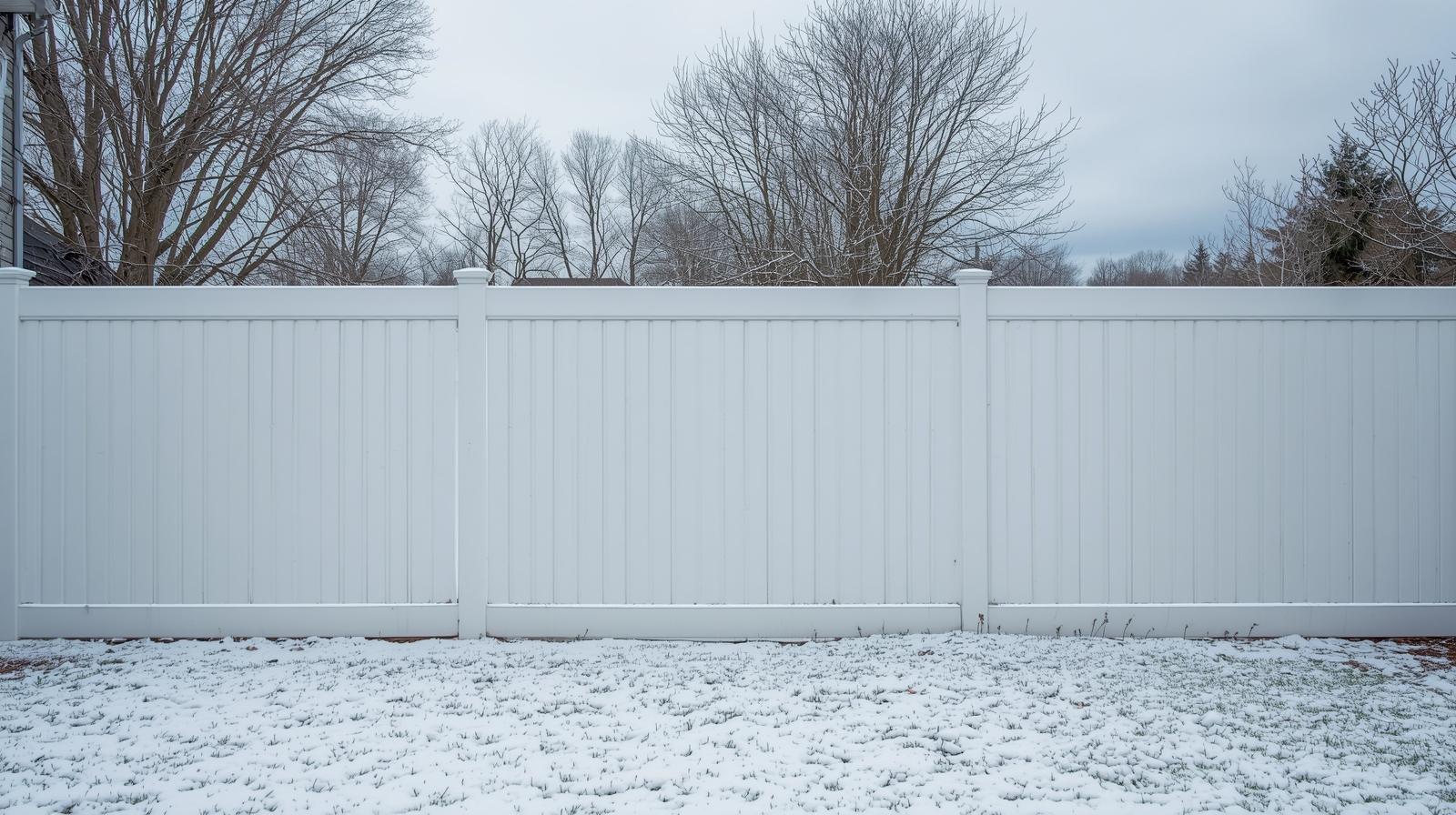
You probably bought your beautiful vinyl fence for one big reason: it’s supposed to be maintenance-free. For three seasons, you're absolutely correct. But a Wisconsin winter is a different beast entirely, and knowing how it affects your fence is the secret to making that investment last for decades.
In freezing temperatures, vinyl becomes less flexible and more brittle. This simple change is the #1 cause of winter damage, turning an accidental knock from a snow shovel into a costly repair. Protecting your investment, however, is simple.
This Midwest winter fence preparation guide outlines an easy seasonal plan for fall prep, winter care, and spring cleanup to ensure your fence remains pristine for years to come.
Before the First Snow: Your 5-Minute Pre-Winter Inspection Checklist
You chose your vinyl fence for its easy upkeep, and a simple check-up in the fall is the secret to keeping it that way. Spending just five minutes inspecting your fence line before the ground freezes can prevent small issues from becoming costly spring repairs. This quick pre-winter vinyl fence inspection is all about spotting trouble before it gets buried under a snowdrift.
Use this simple checklist to get your fence ready for the season:
Walk the Line: Look for any posts that are leaning or panels that seem to be bowing. Make a note of any areas that don’t look perfectly straight.
The Wiggle Test: Gently push on a few posts. If you find one that feels loose or wobbly in the ground, it’s more likely to be pushed out of alignment by freezing soil.
Cap Check: Make sure every post cap is snug and secure. A loose cap can easily be knocked off by a snowblower or lost in deep snow until spring.
Quick Rinse: Use a garden hose to wash off the season’s dirt, fallen leaves, and grime. This prevents muck from staining your white vinyl fencing over the winter.
With your fence clean and secure, it’s ready for the next challenge: the cold itself.
Why Cold Makes Your Vinyl Fence Brittle (And How to Protect It)
Think about a plastic sled or a kid’s toy left outside in the deep freeze—a small bump can cause it to crack or shatter. Your vinyl fence experiences the same change. In frigid Wisconsin temperatures, the vinyl (PVC) loses its flexibility and becomes brittle. A vinyl fence can crack in cold weather, but it’s almost always caused by an impact, not the cold alone.
This newfound fragility means the biggest threat to your fence isn't the snow, but what you use to move it. A snowblower can launch chunks of ice and rock-hard snow against the panels with enough force to cause dents, chips, or even full-on cracks. Likewise, the sharp, hard edge of a metal shovel can easily fracture a frozen fence post on contact.
The safest approach is to treat your fence with a gentle touch. When you need to clear snow from the fence line, always reach for a long-handled push broom to brush it away. If the snow is too heavy or packed, use a plastic shovel, as its softer edge is far less likely to cause damage. Keeping this buffer zone clear is crucial, especially when dealing with the heavy piles left behind by the city plow.
How to Safely Handle Heavy Snow Drifts and Plow Piles
It’s not just sudden impacts you have to worry about. That mountain of dense, wet snow the city plow leaves at the end of your driveway is incredibly heavy. When it’s piled up against your vinyl fence for weeks, this immense weight can cause panels to bow, warp, or even pop out of their posts. This is a common cause of damage that many homeowners overlook until it’s too late.
You don’t have to shovel the entire drift to protect your fence. The key is simply to relieve the pressure. Using your broom or a plastic shovel, clear a small gap—even just a foot or two—between the snow pile and the fence. This breathing room prevents the weight from bearing down directly on the panels, which is the most effective way of preventing snow drifts from causing lasting harm.
If the snow has frozen into a solid block of ice, resist the urge to grab a metal shovel or an ice chipper. Trying to break up the ice can cause the very same impact fractures you're trying to avoid. It’s better to leave the frozen pile alone and wait for a thaw than to risk shattering a panel.
After the Thaw: Your Spring Damage and Cleaning Guide
Once the ground thaws and the last of the snow has melted, take a walk along your fence line. Look closely at your posts—do any seem crooked, or taller than their neighbors? This is often a sign of "frost heave," where the freezing and thawing ground can push fence posts upward. If a post is leaning or feels very loose, it’s a structural problem best left to a fencing professional to correct.
While you're inspecting the posts, scan the panels and pickets for any new damage. Thanks to winter's cold, you might spot small cracks or chips that weren’t there in the fall. Tiny hairline fractures can often be sealed with a specialty vinyl repair kit, but for larger breaks, the best course of action is to order a replacement part from your original installer. This ensures a perfect color match and restores the panel’s integrity.
Finally, it's time for a spring cleaning. Road salt can corrode your gate’s metal hinges and hardware over time. The best method for cleaning it off a PVC fence is simple: mix mild dish soap with warm water, and gently wipe the fence down with a soft cloth. A good rinse with your garden hose will wash away the winter grime and leave your fence looking bright and new for the sunny seasons ahead.
Your Simple, Year-Round Plan for a Perfect Vinyl Fence
A Wisconsin winter doesn't need to be a threat to your investment. By following a clear, simple plan for proactive care, you can easily protect your fence. It all comes down to a simple seasonal rhythm:
FALL: Inspect and Secure.
WINTER: Avoid Impact and Heavy Weight.
SPRING: Check for Damage and Clean.
The secret to a truly “low-maintenance” fence isn’t neglect, but a few moments of gentle attention each season. This simple preparation is your best tool for protecting your investment, preventing costly repairs, and ensuring your fence looks brand-new for years to come.
