
Vinyl Fence Maintenance Tips for Wisconsin Snow & Ice
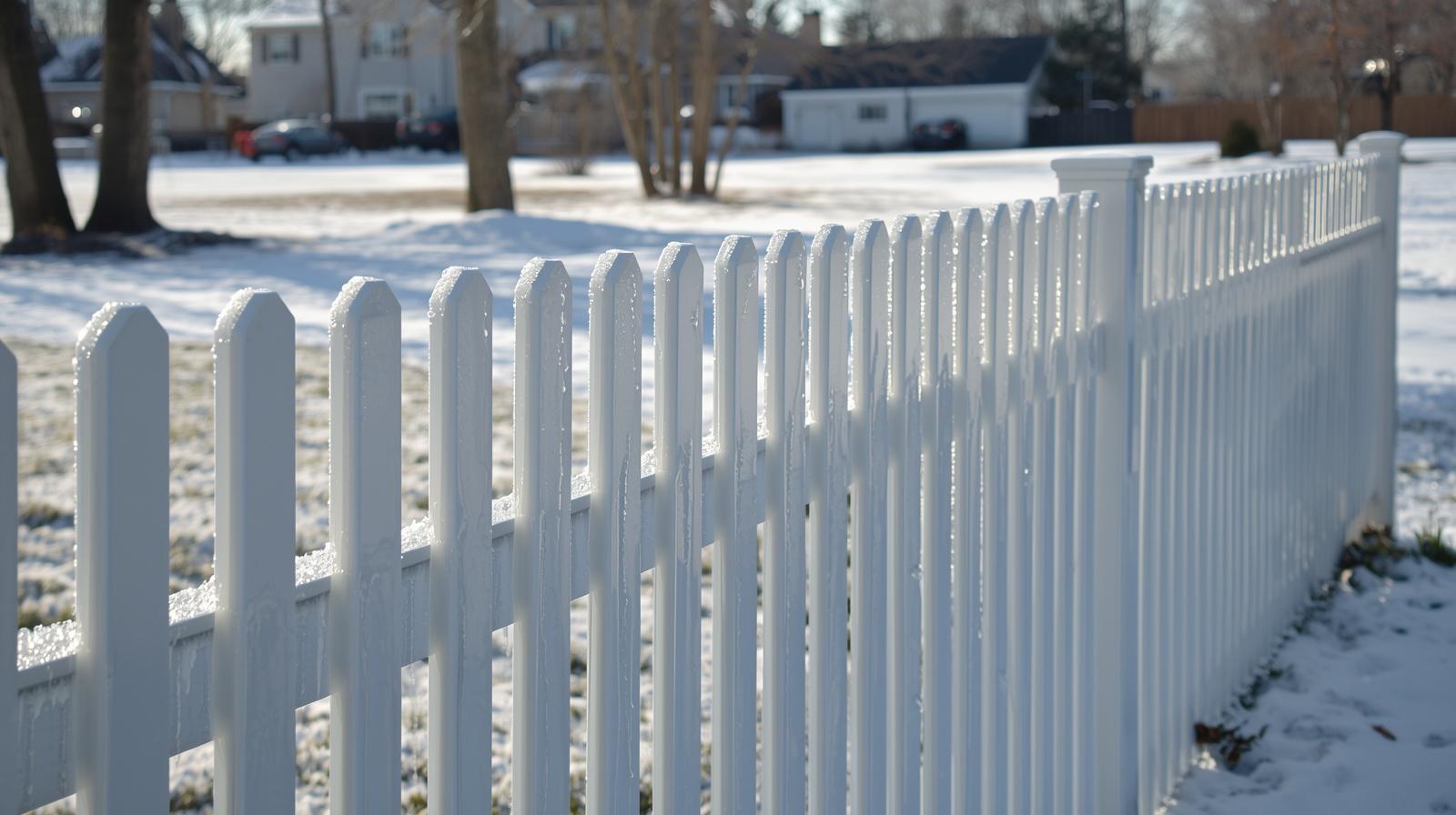
Vinyl fencing is one of the most popular choices for homeowners across the Midwest because it is durable, attractive, and requires very little maintenance. However, winter conditions in Wisconsin—including heavy snow, freezing temperatures, and ice buildup—can still affect fencing over time if proper care is not taken.
While vinyl fences are designed to handle harsh climates, performing seasonal maintenance can help prevent damage and extend the life of your fence. For homeowners in Wisconsin, winter preparation and proper snow management are key to keeping vinyl fences strong and stable.
At Dach Fence, we install and maintain fences for residential and commercial properties across Southern Wisconsin and Northern Illinois. In this guide, we share practical vinyl fence maintenance tips for Wisconsin snow and ice to help property owners protect their fencing investment during the winter months.
Why Winter Maintenance Matters in Wisconsin
Winters in Wisconsin can bring significant snowfall, freezing temperatures, and ice storms. These conditions can place additional stress on fences if snow accumulates against panels or ice forms around posts.
Common winter-related fence issues include:
Snow pressure against fence panels
Ice buildup on fence rails
Freeze-thaw cycles affecting fence posts
Heavy snow piles from snowblowers or plows
Although vinyl fencing is resistant to moisture and rot, proper maintenance helps ensure your fence remains stable throughout the winter season in Wisconsin.
Remove Snow Buildup Around Fence Panels
One of the most important winter maintenance tasks is managing snow buildup near your fence.
When snow accumulates against fence panels, the weight can create pressure that may cause panels to bend or loosen over time.
Homeowners in Wisconsin should:
Clear heavy snow away from the base of the fence
Avoid allowing large snowbanks to build against panels
Remove snow gently with a plastic shovel if necessary
Keeping snow from piling directly against your fence helps prevent unnecessary stress during long winter storms.
Be Careful When Using Snowblowers or Plows
Snow removal equipment can accidentally damage fences if used too close to the structure.
In Wisconsin neighborhoods, it is common for snowblowers to throw large amounts of snow against fence panels. Over time, repeated impact can weaken fence sections.
To protect your vinyl fence:
Maintain a safe distance when snow blowing near the fence
Avoid directing snow directly toward fence panels
Use lower power settings when clearing snow near fencing
These small precautions can prevent costly repairs during the winter season.
Inspect Fence Posts After Freeze-Thaw Cycles
Freeze-thaw cycles are common in Wisconsin winters and can affect the soil around fence posts.
As the ground freezes and thaws repeatedly, the soil can expand and contract. This movement may cause fence posts to shift slightly over time.
Homeowners should periodically check for:
Leaning fence sections
Loose fence posts
Panels that appear misaligned
If any of these issues appear, it is best to address them early before spring weather worsens the problem.
Avoid Using Harsh De-Icing Chemicals Near the Fence
De-icing salts and chemicals are often used on driveways and sidewalks during winter. However, some products may affect fencing materials or nearby landscaping.
When applying de-icing products in Wisconsin, avoid spreading large amounts directly near fence posts.
Instead:
Use de-icers sparingly near fence lines
Rinse nearby areas in spring to remove residue
Consider pet-safe or environmentally friendly alternatives
Although vinyl fencing is resistant to corrosion, minimizing chemical exposure can help maintain the surrounding landscape.
Clean Your Vinyl Fence After Winter
Once winter ends, it is a good idea to clean your fence to remove dirt, salt residue, and debris left from snowstorms.
Cleaning vinyl fences is simple and usually requires only basic household supplies.
To clean your fence:
Rinse the fence with a garden hose
Use mild soap and water to remove dirt
Gently scrub areas with buildup using a soft cloth or sponge
Rinse thoroughly
This simple cleaning routine helps restore the fence’s appearance after a long Wisconsin winter.
Check Fence Hardware and Connections
Winter weather can loosen fence components due to temperature changes and shifting soil.
During early spring inspections in Wisconsin, check:
Screws and fasteners
Fence panel connections
Gate hinges and latches
Tightening loose hardware ensures the fence remains secure before the next season.
Trim Nearby Branches Before Winter
Tree branches can become heavy with snow and ice during winter storms. In Wisconsin, falling branches are a common cause of fence damage.
Before winter arrives, inspect trees near your fence line and trim any branches that could fall onto the fence during storms.
This preventative step reduces the risk of winter storm damage.
Why Vinyl Fencing Performs Well in Wisconsin
Despite winter challenges, vinyl fencing remains one of the most durable fencing options for Wisconsin properties.
Vinyl fences perform well because they:
Resist moisture and rot
Do not rust or corrode
Require minimal maintenance
Maintain their appearance through extreme weather
With proper installation and occasional maintenance, vinyl fences can last 20–30 years or longer in Southern Wisconsin and Northern Illinois.
Why Professional Installation Matters
Even the best fence materials depend on proper installation to perform well during winter.
Professional installers ensure that:
Fence posts are installed below the frost line
Panels are properly secured
Gates and hardware are reinforced
These installation techniques help fences withstand the freeze-thaw cycles common throughout Wisconsin winters.
At Dach Fence, we install vinyl fencing designed specifically for Midwest climates across Southern Wisconsin and Northern Illinois.
Frequently Asked Questions
Can vinyl fences handle heavy snow?
Yes. Vinyl fences are designed to withstand winter weather, but clearing excessive snow buildup helps prevent unnecessary pressure on panels.
Will ice damage vinyl fencing?
Ice usually does not damage vinyl fences, but heavy ice accumulation should be gently removed to reduce weight on fence panels.
How often should vinyl fences be cleaned?
Most homeowners in Wisconsin clean their vinyl fences once or twice per year, typically in spring and fall.
Do vinyl fences crack in cold weather?
Modern vinyl fencing is designed to remain flexible even in cold temperatures common in Wisconsin winters.
How long do vinyl fences last in Wisconsin?
With proper installation and maintenance, vinyl fences can last 20–30 years or more.
Schedule Vinyl Fence Installation or Repair
Vinyl fencing offers an excellent balance of durability, appearance, and low maintenance for properties across the Midwest. With simple winter care, homeowners can keep their fences in excellent condition year after year.
Dach Fence provides professional fence installation and repair throughout Southern Wisconsin and Northern Illinois. Our team installs high-quality vinyl fencing designed to handle snow, ice, and harsh Midwest weather.
Contact Dach Fence today to learn more about vinyl fence installation and maintenance in Wisconsin.
