
Vinyl Fence Maintenance in Evansville, WI: What to Check Before Cold Weather
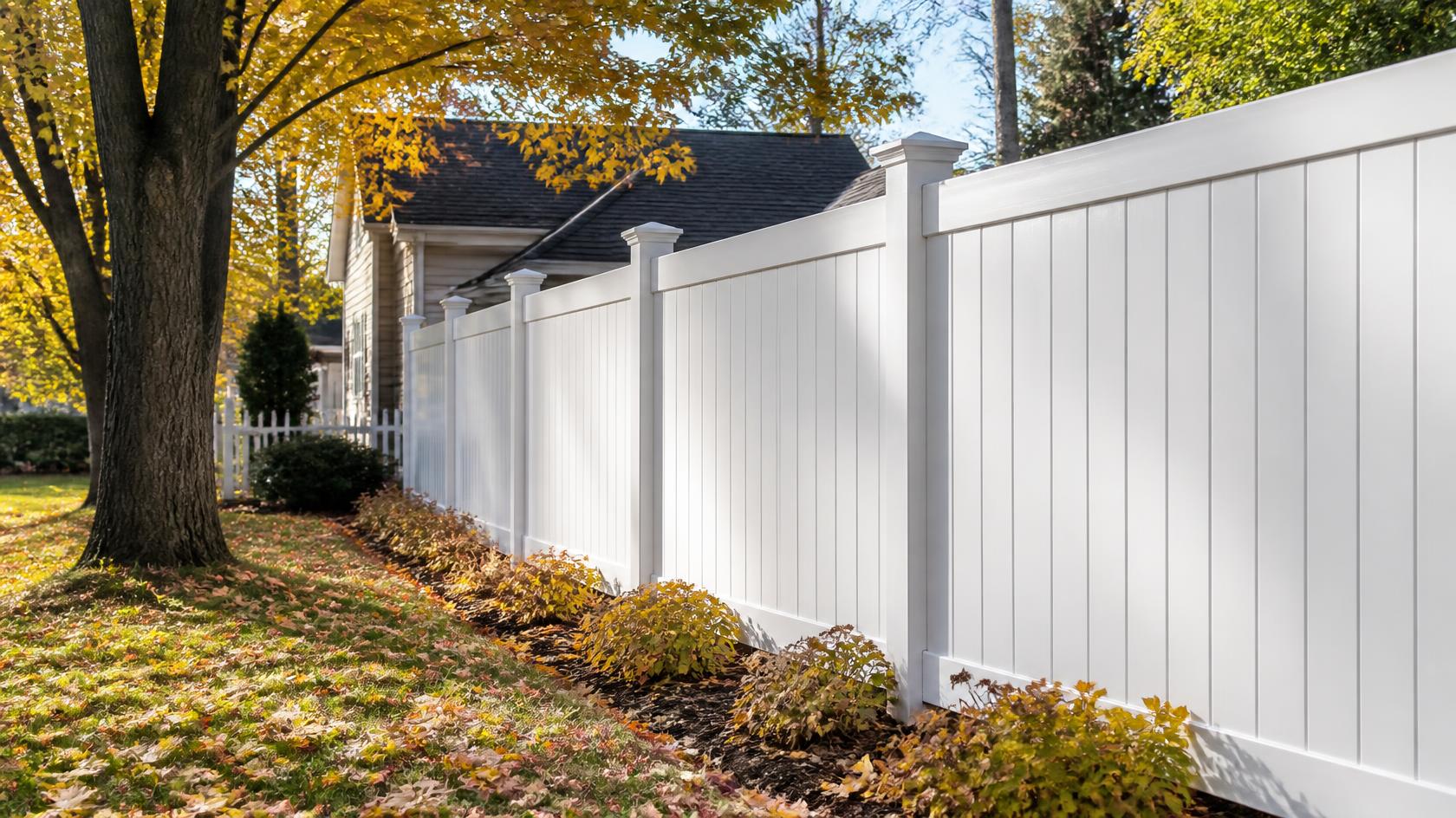
Vinyl fencing is relatively low maintenance, but it should still be inspected before winter in Evansville, WI. Check posts, panels, rails, gates, hardware, drainage, and nearby landscaping before snow and freezing temperatures arrive. Small problems are easier to address in fall than after ice and snow cover the fence line.
Why Check a Vinyl Fence Before Winter?
Vinyl fencing does not require staining or painting, but that does not mean it should be ignored.
Fall weather can reveal problems caused by:
Strong winds
Heavy rain
Soil movement
Falling branches
Gate use
Landscaping pressure
Previous impacts
Winter may add snow, ice, cold temperatures, and freeze-thaw movement.
A simple inspection before colder weather arrives can help identify areas that need attention.
Walk the Entire Fence Line
Start by walking both sides of the fence where possible.
Look for anything that appears different from neighboring sections, including:
Leaning posts
Uneven panels
Loose rails
Cracks
Missing post caps
Gaps between components
Gate alignment problems
It is easier to notice gradual movement when comparing one section with another.
Pay extra attention to corners, gates, and long exposed fence runs.
Check Every Vinyl Panel
Look closely at each panel for visible damage.
Watch for:
Cracks
Splits
Loose sections
Warping
Impact marks
Panels pulling away from posts
A small crack may not appear serious during mild weather, but damaged vinyl can be more vulnerable to additional impact during colder conditions.
If a panel has already been compromised, address it before snow-removal equipment, branches, or other objects place more pressure on the section.
Inspect Rails and Connections
Rails help hold the fence together and keep panels positioned properly.
Check for:
Loose rails
Rails pulling away from posts
Cracked components
Uneven connections
Sections that move excessively
If a rail is no longer seated properly, the surrounding panel may also begin shifting.
Repairing loose components before winter can help prevent a small issue from affecting a larger section.
Look for Leaning Posts
Fence posts are one of the most important parts of the system.
Check whether any posts are:
Leaning
Loose
Moving at ground level
No longer aligned with neighboring posts
Post movement may result from:
Soft soil
Drainage problems
Erosion
Impact damage
Footing issues
A leaning post should be evaluated before simply pushing the fence back into position.
The underlying cause matters.
Check the Soil Around Posts
Fall rain can make ground problems easier to see.
Look for:
Standing water
Soft soil
Erosion
Exposed footing material
Gaps around posts
Washed-out areas
Water around fence posts may affect soil stability.
Once temperatures begin cycling above and below freezing, existing movement can become more noticeable.
If drainage is contributing to the problem, correcting the water source should be part of the repair plan.
Clean the Fence Before Temperatures Drop
Fall is a good time to remove dirt and buildup from vinyl fencing.
Common buildup may include:
Mud
Dust
Grass clippings
Leaves
Mildew
Organic debris
Cleaning the fence before winter makes it easier to inspect the surface for damage.
It also prevents wet leaves and debris from sitting against panels for long periods.
Use cleaning methods appropriate for vinyl and avoid unnecessarily harsh or abrasive products.
Keep Leaves From Building Up Along the Bottom
Leaves can collect along solid privacy fencing during fall.
Large piles may:
Hold moisture
Hide damage
Block drainage
Make the fence harder to inspect
Remove heavy leaf buildup before snow covers the area.
Keeping the bottom of the fence visible also makes it easier to notice erosion or gaps.
Trim Vegetation Away From the Fence
Check for shrubs, vines, or branches pressing against the panels.
Trim back vegetation that:
Pushes against the fence
Hides posts
Restricts gates
Adds unnecessary weight
Holds wet debris against the surface
Do not allow vines to become heavily established throughout fence components.
A clear fence line makes seasonal maintenance much easier.
Check Nearby Trees and Branches
Fall storms, ice, and heavy snow can cause branches to break.
Look above and beside the fence for:
Dead limbs
Broken branches
Low branches
Branches already resting against the fence
Vinyl panels can be damaged by direct impact.
Reducing obvious overhead risks before winter may help prevent avoidable repairs.
Test Every Gate
Open and close each vinyl gate several times.
A properly functioning gate should move smoothly and latch without excessive force.
Watch for:
Sagging
Dragging
Difficulty latching
Uneven gaps
Loose hinges
Post movement
Gate problems often become more noticeable before problems elsewhere in the fence.
Inspect Gate Posts Carefully
Gate posts carry additional load.
If a gate suddenly stops lining up properly, check the supporting posts before adjusting the latch.
Look for:
Leaning
Movement
Soft soil
Erosion
Footing problems
Repeatedly moving the latch may only hide the real issue.
A stable gate begins with stable posts.
Check Hinges and Latches
Inspect gate hardware for:
Loose fasteners
Worn hinges
Damaged latches
Bent components
Corrosion on metal parts
Make sure the gate closes securely.
Winter snow and ice can reduce clearance, so hardware that is already struggling in fall may become more difficult to use later.
Check Ground Clearance
Look beneath gates and along lower fence sections.
Pay attention to:
Rising soil
Gravel buildup
Erosion
Uneven ground
Low areas where water collects
A gate that barely clears the ground now may drag once snow or ice accumulates.
Addressing clearance issues in fall can help keep entrances usable during winter.
Pay Attention to Drainage Near Gates
Gate areas often receive frequent foot or vehicle traffic, making drainage especially important.
Look for water collecting:
Under the gate
Beside gate posts
Along driveway edges
Near downspouts
Standing water can freeze and create an obstruction.
Ice may prevent the gate from opening or closing properly even when the hardware is in good condition.
Consider Wind Exposure
Vinyl privacy fencing creates a solid barrier, so it catches more wind than open chain link or ornamental fencing.
Inspect exposed areas near:
Open fields
Large yards
Unprotected corners
Long straight fence runs
Look for posts beginning to lean or panels that appear loose.
Wind-related movement should be corrected before winter storms add more stress.
Plan Where Snow Will Go
Snow storage is an important but often overlooked part of fence maintenance.
Before winter, decide where snow from:
Driveways
Walkways
Patios
Parking areas
will be placed.
Avoid repeatedly piling heavy snow directly against vinyl panels.
Compacted snow can place unnecessary pressure on fencing and may hide damage for weeks.
Keep Gate Areas Clear of Snow
Snow should not be allowed to build up in:
Gate swing paths
Pedestrian entrances
Side-yard access points
Forcing a gate through packed snow can strain:
Hinges
Latches
Frames
Supporting posts
Clear the operating area before opening or closing the gate when significant snow has accumulated.
Be Careful With Snow-Removal Equipment
Vinyl can be damaged by impacts from:
Snowblowers
Plows
Shovels
Vehicles
Keep equipment a reasonable distance from the fence whenever possible.
Fence sections near driveways and parking areas deserve extra attention because accidental winter impacts are more likely there.
Check for Previous Impact Damage
Before snow hides the lower part of the fence, look for damage caused by:
Lawn equipment
Vehicles
Trailers
Landscaping tools
Small cracks or shifted sections may indicate an earlier impact.
Repairing those areas before winter reduces the chance that additional stress will make them worse.
Know When a Repair Is Needed
Routine maintenance may be enough when the fence is structurally sound and only needs cleaning or minor adjustments.
Repair may be needed when you find:
Cracked panels
Loose rails
Leaning posts
Gate alignment problems
Damaged hardware
If several sections are failing or major post problems are widespread, a larger repair or partial replacement may be worth considering.
Reinspect After Severe Winter Weather
Fall inspection is not the only maintenance the fence may need.
After:
Heavy snow
Ice
High winds
Major temperature changes
walk the fence line again.
Look for new cracks, movement, leaning, or gate problems.
Finding winter damage early can make spring repairs easier.
Prepare Your Evansville Vinyl Fence With Dach Fence
Vinyl fencing requires less routine maintenance than many other fence materials, but fall inspection still matters. Checking panels, posts, gates, hardware, drainage, vegetation, and snow-storage areas can help prepare the fence for winter.
Dach Fence provides residential and commercial vinyl fence repair, replacement, and installation, along with wood, chain link, aluminum, ornamental, temporary, and security fencing. The team also works with vehicle gates, pedestrian gates, pool enclosures, dumpster enclosures, and access-control systems.
Contact Dach Fence for a free estimate if your vinyl fence in Evansville, WI needs repair or attention before cold weather arrives.
