
Vinyl Fence Installation in Edgerton, WI: Low-Maintenance Planning for Winter
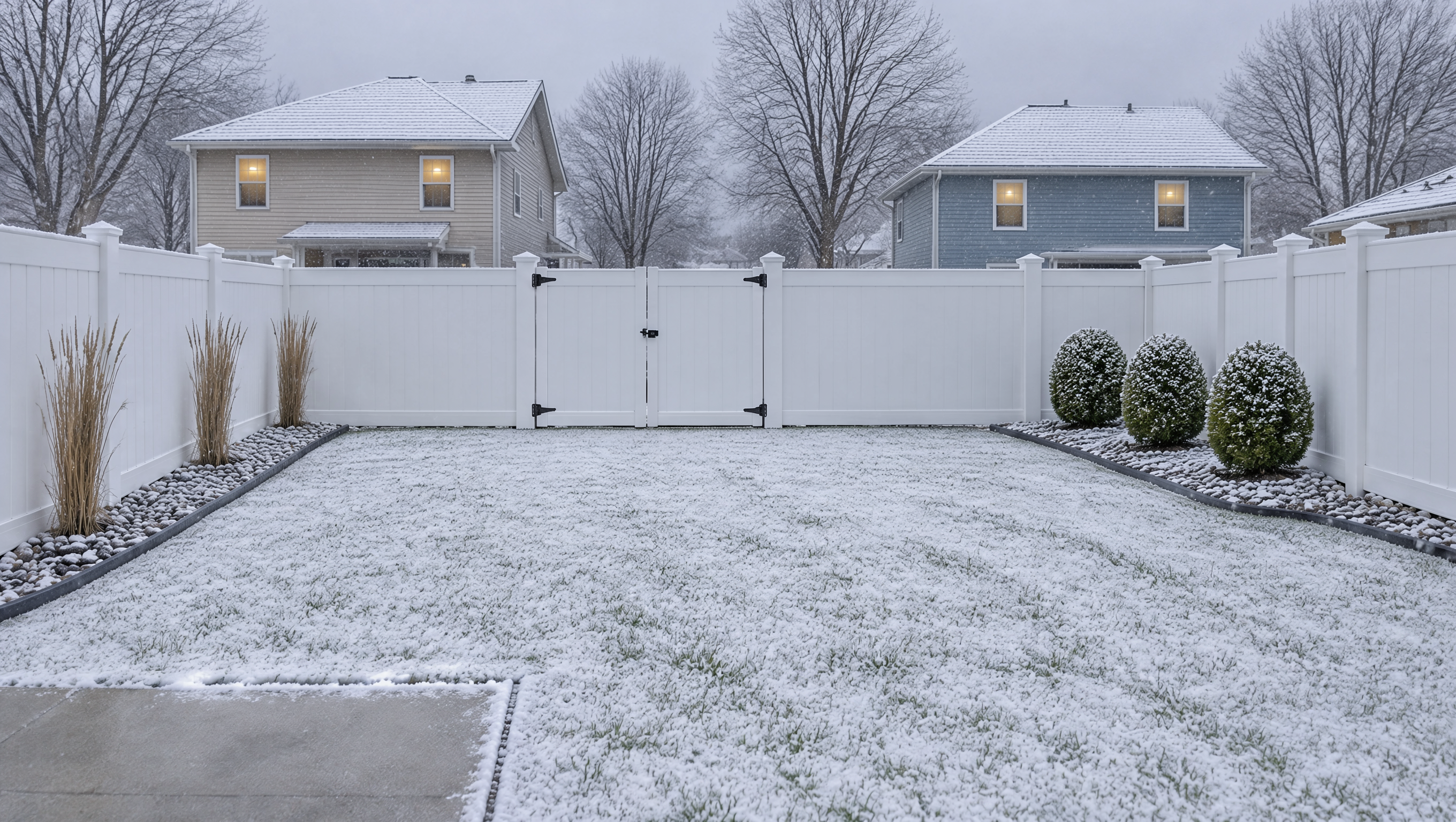
Vinyl fence installation in Edgerton, WI, can be a practical choice for homeowners who want privacy with relatively low routine maintenance. Before winter, focus on layout, post stability, drainage, gate clearance, wind exposure, snow storage, and site access so the fence is easier to maintain through cold weather.
Why Vinyl Appeals to Low-Maintenance Homeowners
Vinyl fencing is often chosen because it does not need the same routine painting, staining, or sealing as wood.
That can make it appealing for homeowners who want a cleaner look with less surface maintenance.
Vinyl still needs periodic inspection, especially around:
Posts
Panels
Gates
Hardware
Drainage
Low maintenance does not mean no maintenance.
The goal is to plan the fence so seasonal issues are easier to manage.
Start With the Right Layout
Before installation, walk the property and review how the fence will fit around:
The house
Driveways
Patios
Landscaping
Trees
Slopes
Utility areas
A good layout should support privacy and access without creating unnecessary corners or difficult-to-maintain sections.
It should also work with winter conditions rather than only summer use.
Decide Where Full Privacy Is Needed
Vinyl is commonly used for privacy fencing, but full screening may not be necessary around the entire yard.
Some homeowners may only want privacy around:
Patios
Pools
Decks
Neighbor-facing boundaries
Using privacy fencing only where it provides the most value may help simplify the project and reduce wind exposure.
Consider Wind Before Choosing Long Solid Runs
Solid vinyl panels catch more wind than open fencing.
This matters on properties with:
Open yards
Long exposed boundaries
Corners facing prevailing winds
Post support and layout should be planned with exposure in mind.
A long uninterrupted privacy run may need more careful planning than a shorter protected section.
Check Drainage Before Posts Are Installed
Drainage can affect long-term fence stability.
Inspect the planned fence line for:
Standing water
Mud
Erosion
Low spots
Downspout runoff
Wet soil can contribute to movement around posts.
Freeze-thaw cycles may make those problems more noticeable during winter.
If one area stays consistently wet, it should be considered before installation begins.
Look at Ground Conditions
Fall and early winter conditions can change quickly in Edgerton.
The ground may be:
Wet
Soft
Muddy
Beginning to freeze
Installation should be based on actual site conditions, not just the calendar.
Good ground conditions help support more stable post installation.
Review Slopes Carefully
A sloped yard can affect how vinyl panels follow the ground.
Before installation, look for:
Hills
Dips
Drainage swales
Uneven transitions
The layout should avoid large bottom gaps while still keeping the fence visually consistent.
Slopes can also affect gate placement and clearance.
Plan Gate Locations Early
Gates are one of the most important parts of any fence project.
Choose locations based on how you use the yard.
Consider access to:
Driveways
Side yards
Patios
Garages
Gardens
A poorly placed gate can remain inconvenient long after installation.
Winter access should also be part of the decision.
Choose Gate Width With Future Use in Mind
Think about what needs to pass through the gate.
This may include:
Riding mowers
Wheelbarrows
Utility carts
Landscaping equipment
Trailers
A narrow gate may work for everyday walking but create problems for yard equipment.
Choosing the correct width from the start can help avoid later modifications.
Plan for Winter Gate Clearance
Gate clearance is especially important heading into winter.
A gate that barely clears the ground in fall may begin dragging after:
Snow buildup
Ice
Frost movement
Gravel shifting
Check the full swing or sliding path.
Enough clearance should be planned without creating unnecessary gaps.
Think About Snow Storage Before Installation
Where will snow go after the driveway and walkways are cleared?
Avoid using the new fence line as the main snow storage area.
Heavy snow piled directly against vinyl can place pressure on:
Panels
Rails
Posts
Gate areas should also remain clear.
Planning snow storage before installation can prevent winter access problems.
Keep Snow Away From Gate Openings
Gate entrances need to function throughout winter.
Avoid creating a layout where snow will regularly block:
Hinges
Latches
Gate swings
Access paths
A gate can be mechanically sound but still become unusable if snow is repeatedly pushed into its path.
Clear the Fence Line Before Installation
Fall debris can make the site harder to inspect.
Remove:
Leaves
Branches
Weeds
Yard items
Stored materials
This makes it easier to identify:
Low spots
Roots
Erosion
Uneven ground
A clean work area can also make installation more efficient.
Trim Vegetation
Shrubs, vines, and branches should not press against the planned fence.
Trim vegetation that may:
Block panel installation
Cover post locations
Interfere with gates
Push on the fence later
Keeping some clearance around the fence also makes future inspection easier.
Review Trees and Roots
Large roots can affect post placement.
Look for:
Exposed roots
Trunks close to the fence line
Low branches
A small layout adjustment may be easier than forcing posts into a difficult root area.
Planning around mature trees can also reduce future fence movement or maintenance concerns.
Understand What Low Maintenance Really Means
Vinyl does not need routine staining or painting, but homeowners should still inspect it seasonally.
Basic maintenance may include:
Cleaning dirt or mildew
Checking panels
Inspecting gates
Watching post alignment
Clearing leaves
Monitoring drainage
These tasks are usually simple, but they still matter.
A quick inspection can catch small problems before they become larger repairs.
Check Panels After Strong Wind
Solid panels can receive significant wind pressure.
After storms, inspect for:
Loose sections
New gaps
Cracks
Uneven alignment
Also check the supporting posts.
If a panel shifts, the underlying issue may be post movement rather than the panel itself.
Watch for Cracks
Vinyl does not rot, but it can crack from impact or stress.
Pay extra attention near:
Driveways
Gates
Corners
Areas exposed to equipment
A small cosmetic mark may not require repair.
Deeper cracks affecting structural components should be evaluated before winter makes access more difficult.
Keep Leaves Away From Post Bases
Leaves often collect along privacy fences.
Clear heavy buildup around:
Posts
Gates
Lower panels
This helps reveal drainage problems and keeps the fence line easier to inspect.
Wet leaves can also freeze into dense piles later in the season.
Consider Road Salt Exposure
Vinyl itself does not rust, which can be useful near driveways.
However, gate hardware and other metal components may still be exposed to:
Moisture
Salt
Winter debris
Hinges, latches, and fasteners should be checked periodically.
Keeping hardware in good condition helps the gate remain reliable through winter.
Think About Pet Containment
If the fence is being installed for pets, inspect the full enclosure for:
Bottom gaps
Gate security
Uneven ground
Possible escape points
Privacy panels can also reduce visual distractions for some dogs.
The gate should latch securely and remain easy to use when snow arrives.
Pool Areas Need Careful Planning
Vinyl can be used where privacy is desired around a pool.
If the fence is part of a pool enclosure, applicable requirements should be reviewed before installation.
Gate placement, latch operation, and enclosure continuity should all be included in the plan.
Review Property Lines Before Installation
Do not rely only on:
An old fence
Hedges
Mowing lines
Landscaping
The planned fence location should be understood before posts are placed.
It is easier to correct a layout before installation than move a finished fence later.
Check Applicable Requirements
Depending on the property and project, requirements may apply to:
Fence height
Placement
Setbacks
Visibility
Pool enclosures
These details should be reviewed before materials and layout are finalized.
Late-season projects have less flexibility for redesigns after work begins.
Prepare for Scheduling Flexibility
Fall and early winter installations may need some weather flexibility.
Possible delays can come from:
Heavy rain
Mud
Snow
Frozen ground
A realistic schedule should account for actual site conditions.
Good preparation can help the project move more smoothly when the weather allows.
Use a Winter-Ready Vinyl Fence Checklist
Before installation, confirm that:
The layout is finalized
Privacy areas are identified
Drainage is reviewed
Post locations are practical
Gate placement makes sense
Gate width is adequate
Winter clearance is considered
Snow storage is planned
Vegetation is trimmed
Property lines are understood
This creates a stronger starting point for a low-maintenance fence.
Plan for Low Maintenance Before Winter Arrives
Vinyl can be a practical option for Edgerton homeowners who want privacy with less routine surface maintenance.
The best results come from planning beyond the panels themselves.
Drainage, post stability, wind exposure, gates, snow storage, slopes, and property layout all affect how the fence performs through winter.
Dach Fence provides residential and commercial fence installation, repair, replacement, gates, vinyl fencing, wood fencing, chain link fencing, aluminum or ornamental fencing, temporary fencing, and access control when relevant.
If you are planning vinyl fence installation in Edgerton, WI, contact Dach Fence for a free estimate and help preparing the property for winter conditions.
