
Vinyl Fence Cost in Brodhead, WI: Fall Installation Guide for Homeowners
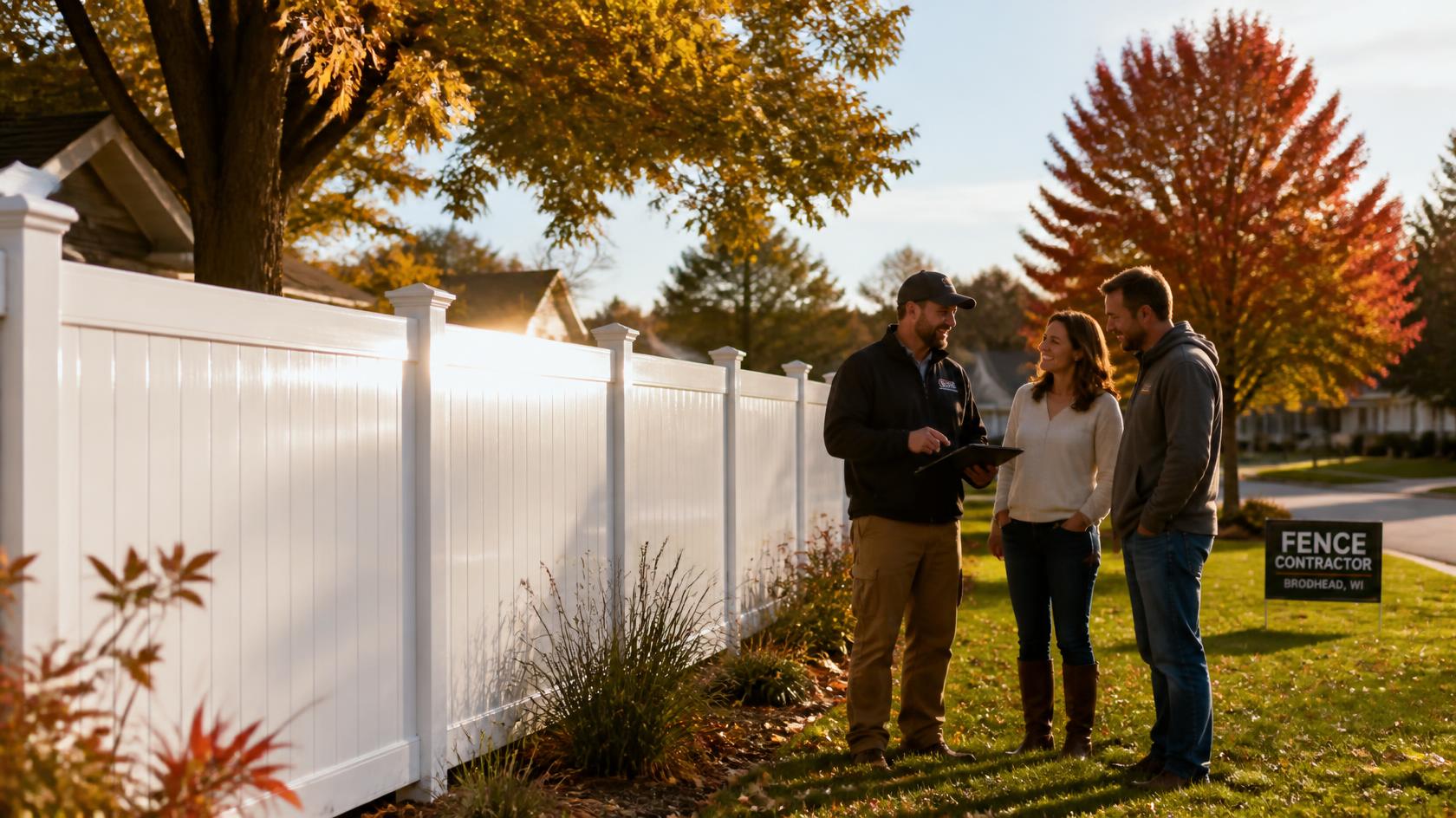
Vinyl fence cost in Brodhead, WI, depends on fence height, style, total footage, gates, property layout, removal work, and site conditions. Fall can be a practical time to install or plan vinyl fencing, but homeowners should also consider Wisconsin rain, wind, freezing temperatures, snow, and changing ground conditions.
What Determines Vinyl Fence Cost?
There is no single price that fits every vinyl fence project.
Two Brodhead homes with similar yard sizes may have very different fencing costs depending on the layout, fence style, number of gates, terrain, and amount of preparation required.
The best way to understand the budget is to consider the full project rather than only the cost of fence panels.
Important factors include:
Total fence length
Fence height
Vinyl style
Number and size of gates
Property layout
Ground conditions
Existing fence removal
Site accessibility
Permit or property requirements
Fall weather and installation timing can also affect how a project is planned.
Total Fence Length Is a Major Cost Factor
The amount of fencing needed has an obvious effect on material and labor costs.
A small backyard enclosure requires fewer panels and posts than a fence running around a large residential lot.
Before requesting an estimate, homeowners should think about which sections actually need fencing.
For example, you may want to enclose only the backyard rather than the entire property. Another option is to use vinyl privacy fencing in areas where screening matters most and a different fence type elsewhere.
A thoughtful layout can help the fence serve its purpose without adding unnecessary footage.
Vinyl Fence Style Affects the Budget
Vinyl fencing is available in several designs, and the style you choose can influence the amount of material needed.
Privacy Vinyl Fencing
Full privacy fencing uses solid or closely spaced panels to reduce visibility into the yard.
It is commonly used around:
Backyards
Patios
Outdoor living spaces
Pools
Neighbor-facing property lines
Privacy fencing typically uses more material than open styles.
Solid panels also catch more wind, making proper post installation especially important on open or exposed Brodhead properties.
Semi-Privacy Fencing
Semi-privacy designs provide some screening while allowing more light and airflow.
They can be a good middle ground for homeowners who want separation without completely closing off the yard.
Picket and Open Vinyl Styles
Open vinyl designs can define a property without blocking the view.
These styles may work well around front yards, gardens, or decorative sections where complete privacy is not necessary.
Choosing the style based on the purpose of each area can help create a more practical fence plan.
Fence Height Can Change the Cost
Taller fencing requires more material.
A decorative or boundary fence may not need the same height as a backyard privacy fence.
Before selecting the height, consider why you are installing the fence.
Privacy, pet containment, pool enclosure, appearance, and property boundaries can each require different solutions.
Homeowners should also check applicable local requirements before finalizing fence height or placement.
Gates Add Material and Hardware
Gates are another important part of vinyl fence pricing.
Every gate requires additional hardware and structural support.
A standard pedestrian gate may be enough for everyday access, but larger yards may need wider openings for:
Riding lawn mowers
Landscaping equipment
Utility carts
Trailers
Backyard projects
Gate placement should be planned before installation begins.
Adding or widening a gate later may require changes to posts and nearby fence sections.
For homeowners with multiple access points, deciding which gates are actually necessary can help control project complexity.
Property Layout Matters
Straight fence runs are generally simpler than properties with many corners, elevation changes, structures, or obstacles.
A vinyl fence installation may need to work around:
Garages
Sheds
Driveways
Trees
Landscaping
Gardens
Patios
Pools
Utility areas
Each corner or transition can require additional posts and planning.
Walking the property before the estimate can help identify areas where the layout could be simplified.
Slopes and Uneven Ground Require Planning
Not every yard in Brodhead is perfectly level.
A sloped or uneven property may require adjustments so the vinyl fence follows the landscape properly without leaving excessive gaps beneath the panels.
Ground conditions can also affect post installation.
The contractor needs to consider both the appearance of the finished fence and how the posts will be supported.
Addressing slopes during the planning stage is easier than trying to correct an awkward fence line afterward.
Existing Fence Removal Can Affect Cost
If an old fence already surrounds the property, removal may need to be included in the project.
This can involve taking out:
Old panels
Posts
Concrete footings
Gates
Hardware
Damaged materials
Some homeowners choose to replace a fence using the existing layout.
However, replacement is also a good opportunity to reconsider gate placement, privacy needs, and how the yard is currently used.
A layout that worked years ago may not be the best choice today.
Site Access Can Affect Installation
Installation is usually easier when crews can reach the fence line without major obstacles.
Tight side yards, heavy landscaping, structures, or limited equipment access may require additional labor.
Homeowners can help prepare by clearing movable objects and identifying important areas before work begins.
Access should also be considered when planning gates. The finished fence should not make future lawn care or maintenance unnecessarily difficult.
Is Fall a Good Time for Vinyl Fence Installation?
Fall can be a practical time to install vinyl fencing in Brodhead as long as weather and ground conditions remain suitable.
Temperatures may be more comfortable for outdoor work than during summer, and homeowners can complete projects before the heaviest winter weather arrives.
However, Wisconsin fall conditions can change quickly.
Potential factors include:
Heavy rain
Wet or muddy soil
Strong wind
Early freezes
Shorter daylight hours
Early snow
Starting the planning process earlier provides more flexibility if weather affects scheduling.
Think About Freeze-Thaw Conditions
Fence posts depend on stable ground.
As winter approaches, moisture in the soil can freeze, expand, and thaw repeatedly.
These freeze-thaw cycles are an important reason to pay attention to drainage and proper post installation.
Areas where water collects should be identified before the fence is installed.
Look for:
Low spots
Standing water
Soil erosion
Downspout runoff
Poorly draining sections
Managing drainage around the planned fence line can help support long-term stability.
Consider Wind Exposure
Vinyl privacy fencing creates a solid surface, which means it catches more wind than chain link or open ornamental fencing.
This is especially relevant for large, open yards.
Homeowners should identify sections that regularly receive strong wind or are exposed during storms.
Proper post spacing, installation, and fence layout all matter when planning solid vinyl panels.
After major storms, it is also helpful to inspect the fence for movement, loose components, or damage.
Plan for Snow Before Installation
A fall fence project should account for how the yard is used during winter.
Consider where snow will be shoveled, blown, or plowed.
Repeatedly piling heavy snow directly against vinyl panels can place unnecessary pressure on the fence.
Pay particular attention to fencing near:
Driveways
Walkways
Gates
Parking areas
Garage entrances
Gate locations should remain accessible even after snow begins accumulating.
Planning ahead can make winter use much easier.
Vinyl Maintenance and Long-Term Value
One reason homeowners choose vinyl is its relatively low routine maintenance.
Unlike wood, vinyl does not typically require regular staining or painting.
However, low maintenance does not mean no maintenance.
Homeowners should periodically inspect:
Posts
Panels
Gates
Latches
Hinges
Connections
Dirt and seasonal buildup can usually be cleaned from the surface as needed.
After strong winds or winter storms, checking the fence for visible movement or damage is also worthwhile.
Vinyl Versus Other Fence Materials
Cost should not be the only factor when comparing fencing.
Wood may provide a traditional appearance but generally requires more ongoing surface maintenance.
Chain link can be practical for larger areas where privacy is less important.
Aluminum or ornamental fencing provides an open, decorative appearance.
Vinyl may be a good fit for homeowners who prioritize privacy, a clean appearance, and lower routine maintenance.
The best choice depends on the property rather than one material being right for every home.
Check Requirements Before Installation
Before starting a fence project, homeowners should confirm any applicable local rules concerning placement, height, setbacks, and permits.
Pool fencing may have additional requirements.
Property boundaries should also be understood before posts are installed.
Handling these details before the installation date can help reduce delays and avoid placement problems.
Get an Estimate Based on Your Brodhead Property
Vinyl fence cost is easiest to understand after the property has been evaluated.
Total footage matters, but fence height, style, gates, layout, terrain, old fence removal, drainage, and site access can all change the final scope.
Fall planning should also account for Brodhead's colder months, including wind, snow, ice, and freeze-thaw cycles.
Dach Fence provides residential fence installation, repair, replacement, vinyl fencing, wood fencing, chain link fencing, aluminum or ornamental fencing, gates, and other fencing solutions throughout Illinois and Wisconsin.
If you are considering a vinyl fence in Brodhead, WI, contact Dach Fence for a free estimate and help planning a fence that fits your yard, privacy needs, and budget.
