
Temporary Fence Rental in Machesney Park, IL: Construction, Events and Job Sites
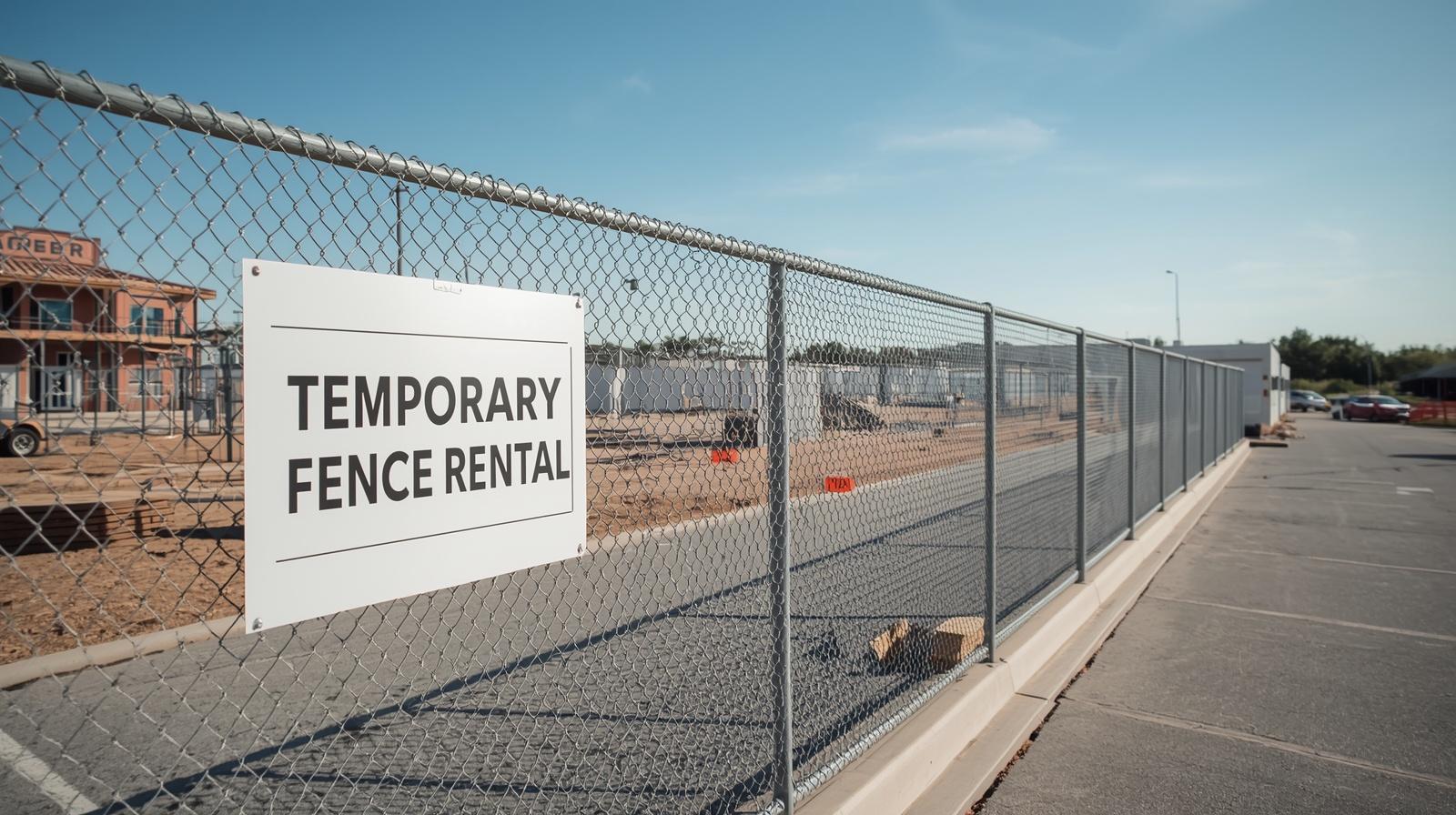
Temporary fence rental in Machesney Park, IL can help secure construction sites, manage event areas, protect equipment, and create short-term boundaries for commercial properties. The right setup depends on the site layout, rental duration, gates, access needs, ground conditions, permits, and Midwest weather.
Why Temporary Fence Rental Matters in Machesney Park
Temporary fencing is useful when a property needs short-term security, safety, or access control without installing a permanent fence. For construction projects, outdoor events, job sites, and commercial properties in Machesney Park, IL, temporary fencing can help define boundaries and keep restricted areas more organized.
Unlike permanent fencing, temporary fence rental is designed for a limited period of use. It may be needed for a few days, several weeks, or longer depending on the project. The key is choosing a layout that supports the site while still allowing workers, vendors, vehicles, guests, or service crews to move safely.
A good temporary fence setup should be practical, stable, accessible, and planned around how the property will be used each day.
Common Uses for Temporary Fencing
Temporary fencing can support many different projects and properties. The best layout depends on what needs to be protected, who needs access, and how long the fence will stay in place.
Common temporary fence uses include:
Construction job sites
Commercial renovations
Outdoor events
Parking lot control
Equipment and material storage
Dumpster or debris zones
Restricted work areas
Utility work areas
Seasonal property needs
Crowd or visitor flow
Short-term property security
For Machesney Park businesses, contractors, and event organizers, temporary fencing can be a practical solution when permanent fencing is not needed or when a site is changing during active work.
Temporary Fencing for Construction Sites
Construction sites often need temporary fencing to help control access and protect materials, tools, equipment, and unfinished work areas. A clearly fenced site can also help separate workers from visitors, customers, pedestrians, or nearby traffic.
Temporary fencing may be used around:
Building projects
Remodeling areas
Commercial renovations
Excavation zones
Equipment staging areas
Material storage areas
Dumpster or debris areas
Demolition or cleanup zones
For construction sites, the fence layout should account for deliveries, contractor parking, worker access, dumpster placement, and equipment movement. Gates should be wide enough for trucks, trailers, equipment, or materials that need to enter the work area.
Temporary Fencing for Events
Temporary fence rental can also help organize outdoor events. Fencing may be used to guide guests, separate event spaces, protect restricted areas, or support safer traffic flow.
Event fencing may be useful for:
Community events
Outdoor markets
Festivals
School or church events
Ticketed areas
Vendor areas
Parking control
Entry and exit points
Staff-only spaces
Temporary crowd guidance
For events, the goal is usually organization and access control. The fence should make it clear where people should enter, exit, gather, or avoid. Openings and gates should be planned carefully so guests, vendors, staff, and emergency access can move as needed.
Temporary Fencing for Job Sites
Job sites may need temporary fencing even when the project is not a large construction job. Roofing, exterior improvements, utility work, parking lot repairs, commercial maintenance, and property upgrades may all require short-term boundaries.
Temporary fencing can help:
Keep work areas separated
Protect tools and materials
Guide workers and visitors
Limit access to unsafe zones
Organize staging areas
Protect landscaping or pavement
Support cleanup and debris control
A job site fence should be planned around the daily work schedule. If crews need to move equipment often, gate placement becomes especially important.
Temporary Fencing for Commercial Properties
Commercial properties may need temporary fencing during repairs, improvements, expansions, seasonal projects, or short-term security needs. Business owners and property managers may use temporary fencing to protect assets or manage access without committing to a permanent fence.
Commercial temporary fencing may help with:
Equipment protection
Loading zones
Storage areas
Parking lot changes
Dumpster areas
Utility work
Tenant improvements
Property repairs
Restricted access areas
For commercial sites, temporary fencing should support daily operations. It should not block deliveries, service vehicles, customer access, employee parking, or emergency routes unless that is part of the approved layout.
Choosing the Right Temporary Fence Setup
Temporary fence rental may include panels, posts, gates, braces, or other supports depending on the project. The right setup depends on the surface, site conditions, rental duration, and level of access control needed.
Planning details include:
Fence length
Fence height
Site layout
Gate placement
Ground surface
Wind exposure
Rental duration
Access for vehicles
Public access nearby
Equipment or material storage
Event or commercial traffic flow
A small event entrance may need a different setup than a construction site with equipment, materials, and daily deliveries.
Gates and Access Points
Gates are one of the most important parts of temporary fencing. A site may be secure, but if the gate is poorly placed, daily use can become frustrating.
For construction and job sites, gates may need to support trucks, trailers, equipment, dumpsters, and material deliveries. For events, gates may need to support guest entry, vendor access, staff access, or emergency routes. For commercial properties, gates may need to support employees, service vehicles, tenants, or maintenance crews.
When planning gates, consider:
Gate width
Opening location
Locking needs
Vehicle access
Pedestrian flow
Service access
Emergency access
Snow and ice clearance
Good gate planning helps the temporary fence work better for the full rental period.
Permits, Property Lines, and Site Rules
Before placing temporary fencing in Machesney Park, property owners, contractors, and event organizers should review local requirements. Depending on the use, location, and duration, temporary fencing may involve permits, site review, temporary use planning, or coordination with property management.
It is also important to avoid blocking sidewalks, driveways, visibility, fire access, utility access, or public rights-of-way unless proper approval has been received.
For job sites, events, and commercial uses, planning early can help prevent delays, layout changes, or access problems.
Midwest Weather and Temporary Fence Stability
Temporary fences in northern Illinois need to handle wind, rain, snow, ice, freeze-thaw cycles, and storm conditions. Weather can affect panel stability, gate movement, and ground conditions.
Strong winds can stress temporary panels. Heavy rain can soften soil. Snow and ice can build up near gates or along fence lines. Freeze-thaw cycles can shift ground conditions during colder months.
For longer rentals, it is smart to inspect the fence after storms, high winds, or heavy snow. Bracing, panel alignment, gates, and access points should be checked regularly.
Cost Factors for Temporary Fence Rental
Temporary fence rental cost depends on the details of the project. A small event layout will usually have different cost factors than a longer-term construction site or commercial property setup.
Common cost factors include:
Fence length
Rental duration
Fence height
Number of gates
Delivery and setup needs
Site access
Ground surface
Bracing needs
Security needs
Event or job site layout complexity
Permit or planning requirements
The most accurate way to understand rental cost is to request an estimate based on the actual site, timeline, and access needs.
Contact Dach Fence for Temporary Fence Rental in Machesney Park, IL
Temporary fencing can help protect construction sites, organize events, support job sites, and manage short-term commercial property needs. Whether you need fencing for equipment storage, crowd control, parking areas, restricted zones, gates, or site access planning, the right layout makes a difference.
Dach Fence helps contractors, business owners, event organizers, property managers, and commercial property owners choose practical temporary fencing solutions for real site needs.
For temporary fence rental in Machesney Park, IL, contact Dach Fence today for a free estimate. Visit dachfence.net to get started.
