
Privacy Fence Installation in Orfordville, WI: What to Plan Before Winter
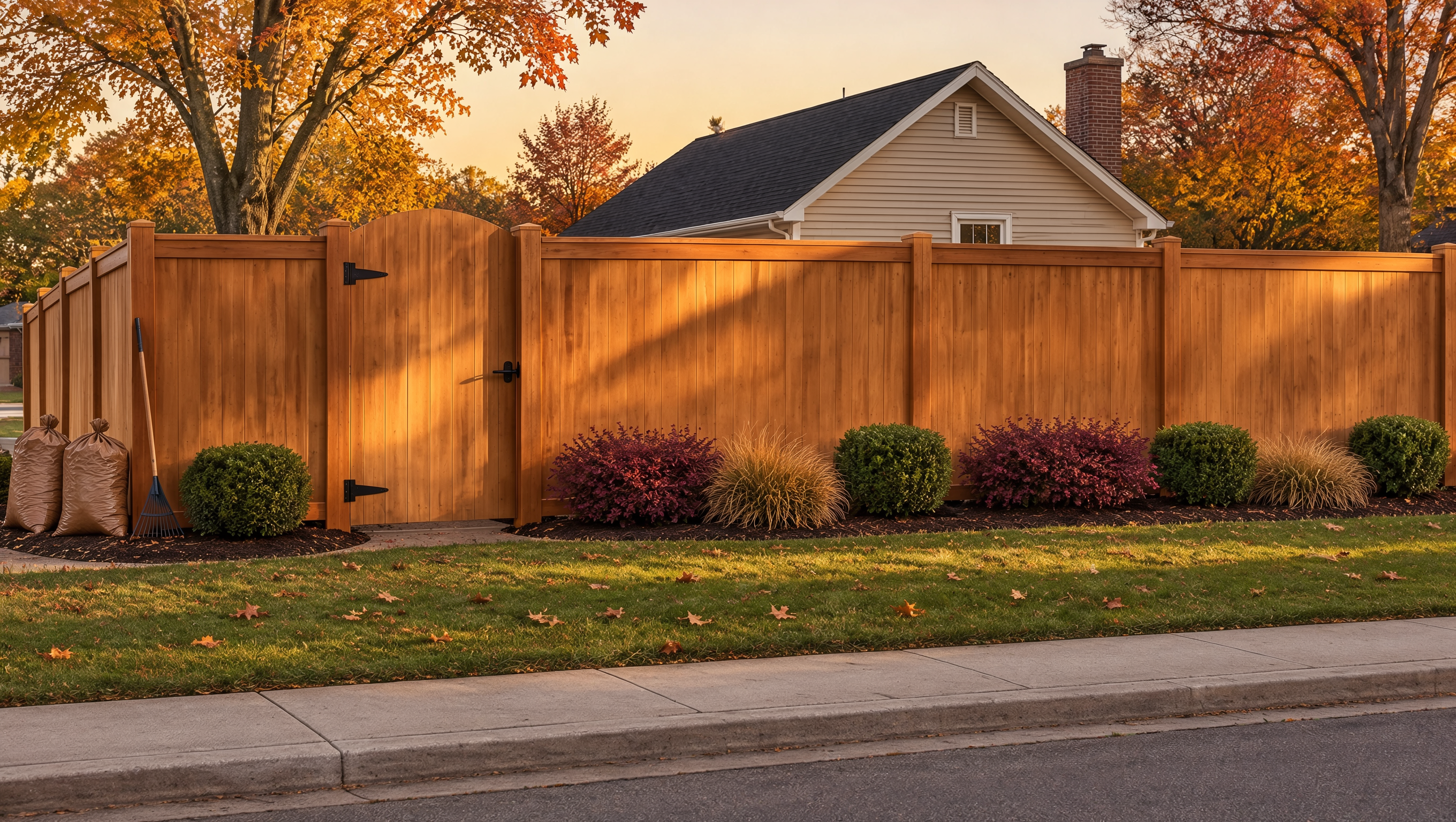
Planning a privacy fence in Orfordville, WI, before winter means looking beyond the fence material itself. Homeowners should review property lines, fence height, gates, drainage, wind exposure, snow storage, landscaping, and site access before installation begins.
Why November Is Still a Good Time to Plan
By November, many homeowners already know which parts of the yard need more privacy.
Summer and fall may have revealed issues such as:
Neighbor-facing patios
Exposed backyard areas
Pet containment needs
Poor gate placement
Limited screening around outdoor spaces
Even if installation timing depends on weather and ground conditions, November can still be a useful time to finalize the design.
Good planning now can help avoid rushed decisions later.
Start With the Areas That Need Privacy Most
Not every property needs a solid privacy fence around the entire yard.
Walk the property and identify where screening matters most.
Common areas include:
Patios
Decks
Pools
Backyards
Neighbor-facing boundaries
Side yards
Using privacy fencing only where it is needed can help control cost and reduce unnecessary wind exposure.
Decide Between Full and Partial Privacy
Some yards work well with a combination of fence styles.
For example, a homeowner might use:
Vinyl or wood near a patio
Open fencing along another boundary
Privacy fencing around a pool
A mixed approach can balance:
Privacy
Appearance
Airflow
Budget
The fence should match how each part of the property is used.
Choose the Right Privacy Fence Material
Two common privacy options are wood and vinyl.
Wood Privacy Fencing
Wood offers a traditional appearance and flexible design.
It may be a good fit for:
Backyards
Patios
Side yards
Outdoor living spaces
Homeowners should also consider its maintenance needs.
Wood may require attention for:
Moisture
Rot
Cracking
Surface wear
Vinyl Privacy Fencing
Vinyl provides solid visual screening with relatively low routine surface maintenance.
It does not typically require painting or staining.
Homeowners should still inspect:
Panels
Posts
Gates
Connections
Solid vinyl also catches more wind than open fencing, so site exposure matters.
Think Carefully About Fence Height
Privacy often depends on height, but taller is not always automatically better.
Before choosing the final height, consider:
Nearby homes
Patio locations
Yard elevation
Outdoor seating areas
Pet needs
Applicable local requirements should also be reviewed.
The right height should provide the needed screening without adding unnecessary material or wind exposure.
Confirm Property Lines
Before installation, make sure the planned fence location is based on reliable property information.
Do not rely only on:
An old fence
Hedges
Mowing lines
Landscaping edges
A privacy fence is a substantial investment.
It is much easier to correct the layout before posts are installed than after the project is complete.
Walk the Entire Fence Line
A pre-installation walk can reveal problems that may affect the project.
Look for:
Slopes
Tree roots
Drainage areas
Sheds
Retaining walls
Utility spaces
Existing structures
The fence layout should work around the property rather than create unnecessary obstacles.
Review Drainage
Drainage is especially important heading into winter.
Check the proposed fence line after rain for:
Standing water
Mud
Erosion
Low spots
Downspout runoff
Wet soil can affect post stability.
Repeated freezing and thawing may make existing ground problems more noticeable.
Drainage concerns should be considered before post locations are finalized.
Consider Wind Exposure
Solid privacy fences catch more wind than chain link or ornamental fencing.
Pay extra attention to properties with:
Open fields
Large exposed yards
Long straight fence runs
Wind exposure can affect how posts and panels should be planned.
Long, uninterrupted privacy sections may require more careful consideration than shorter protected sections.
Plan Gate Locations Early
Gates should be part of the layout from the beginning.
Think about access to:
Driveways
Garages
Patios
Side yards
Gardens
A poorly placed gate can remain inconvenient for years.
Choose locations based on how people actually move through the property.
Choose the Right Gate Width
Gate width should match what needs to pass through the opening.
Consider:
Riding mowers
Wheelbarrows
Utility carts
Landscaping equipment
Trailers
A standard walk gate may not be wide enough for larger yard equipment.
Planning this now can prevent later modifications.
Plan for Winter Gate Clearance
A gate that works well in fall should also work after snow arrives.
Allow enough clearance for:
Snow
Ice
Frost movement
Gravel shifting
Avoid a design where the gate barely clears the ground.
Winter conditions can make small clearance issues much more noticeable.
Think About Snow Storage
Before installation, decide where snow will be placed during winter.
Avoid planning gates or long privacy sections directly where snow is regularly:
Shoveled
Blown
Plowed
Piled
Heavy snow pushed against a solid fence can add pressure to panels and posts.
Gate openings should remain clear enough for regular use.
Review Slopes
Sloped yards can affect privacy fence installation.
A slope may influence:
Panel alignment
Bottom gaps
Post placement
Gate clearance
The installation approach should fit the terrain.
A design that looks straightforward on paper may need adjustments once elevation changes are considered.
Check Trees and Roots
Large trees near the planned fence line may affect post placement.
Look for:
Exposed roots
Trunks close to the boundary
Low branches
Areas where roots may interfere with installation
A small layout adjustment may be more practical than forcing the fence through a difficult root zone.
Trim Vegetation
Late fall can be a good time to clear the work area.
Trim:
Vines
Shrubs
Tall weeds
Branches
Vegetation should not push against the future fence or block planned gate openings.
A clearer fence line also makes drainage and ground conditions easier to inspect.
Clear Leaves From the Planned Fence Line
Heavy leaf buildup can hide:
Low spots
Erosion
Roots
Mud
Old fence debris
Clearing leaves helps reveal actual site conditions.
It also makes late-season preparation easier if installation is moving forward.
Consider Pet Needs
If the privacy fence will also contain pets, think about:
Fence height
Bottom gaps
Gate security
Gate placement
Some dogs may also benefit from reduced visibility through a solid fence.
The entire enclosure should be planned as one system rather than focusing only on the panels.
Pool Areas Need Extra Planning
If the privacy fence will be part of a pool enclosure, applicable requirements should be reviewed before installation.
Pay attention to:
Fence height
Gate placement
Latch operation
Enclosure continuity
These details should be settled before the layout is finalized.
Decide What Happens to an Existing Fence
If the project replaces an older fence, determine how removal will be handled.
Old fence removal may involve:
Boards
Panels
Posts
Concrete
Gates
Ask whether removal and disposal are included in the estimate.
Do not remove the old fence too early if it is still providing privacy, pet containment, or security.
Review Site Access
Installation crews need access to the planned fence line.
Before work begins, consider moving:
Vehicles
Yard equipment
Furniture
Stored materials
Narrow side yards or dense landscaping may also affect access.
Identifying these issues early can help avoid unnecessary delays.
Expect Weather Flexibility
November weather in Wisconsin can change quickly.
A late-season project may be affected by:
Rain
Mud
Snow
Frozen ground
The schedule should depend on actual ground and site conditions.
A flexible plan is more realistic than assuming the project can proceed regardless of weather.
Compare Estimates by Full Scope
When comparing privacy fence estimates, make sure each proposal includes the same:
Material
Fence height
Total footage
Gates
Removal work
Site preparation
Cleanup
A lower number may simply cover less work.
The full project scope is more useful than the final price alone.
Use a Pre-Winter Privacy Fence Checklist
Before moving forward, confirm that:
Privacy areas are identified
Material is selected
Fence height is planned
Property lines are understood
Gate locations are finalized
Gate widths are adequate
Drainage is reviewed
Wind exposure is considered
Snow storage is planned
Vegetation and leaves are cleared
This gives the project a stronger starting point.
Plan Privacy With Winter in Mind
Privacy fence installation in Orfordville should account for more than appearance.
Property lines, materials, drainage, wind exposure, gates, snow storage, slopes, and yard access all affect how well the finished fence fits the property.
Dach Fence provides residential and commercial fence installation, repair, replacement, gates, wood fencing, vinyl fencing, chain link fencing, aluminum or ornamental fencing, temporary fencing, and access control when relevant.
If you are planning a privacy fence in Orfordville, WI, contact Dach Fence for a free estimate and help preparing the project before winter conditions become more difficult.
