
How to Prevent Fence Leaning and Shifting in Illinois Soil
Illinois homeowners know the struggle: a once-sturdy fence starts to lean or shift, turning your backyard boundary into an eyesore. With the state's heavy clay soils, frequent freeze-thaw cycles, and variable weather, fence instability is a common issue from Chicago to Springfield. But fear not—preventing fence leaning and shifting is achievable with the right knowledge and techniques. In this comprehensive guide, we'll dive into the causes, proven prevention strategies, and maintenance tips tailored for Illinois soil. Whether you're installing a new wood, vinyl, or chain link fence, these insights will help you build a stable, long-lasting structure that withstands the Prairie State's challenges.
Understanding Soil Challenges in Illinois
Illinois boasts some of the richest soils in the nation, but that fertility comes with drawbacks for fencing. The predominant soil type is clay-rich, often classified as "black dirt" or loamy clay, which expands when wet and contracts when dry. This movement, known as soil heaving, exerts pressure on fence posts, causing them to lean or shift over time. In southern Illinois, erosion in sandy or loose soils can undermine stability, while northern areas deal with compacted clay that holds water like a sponge.
Add in Illinois' harsh winters: the frost line—the depth where soil freezes—averages 36 inches statewide but reaches 42 inches in cities like Chicago, Aurora, and Rockford. Freeze-thaw cycles cause the ground to expand upward, pushing posts out of alignment. Poor drainage exacerbates this, as waterlogged soil softens foundations, leading to erosion and instability. Recognizing these factors is the first step to prevention—address them during installation, and your fence could last 20-30 years without major issues.
Proper Installation Techniques for Stability
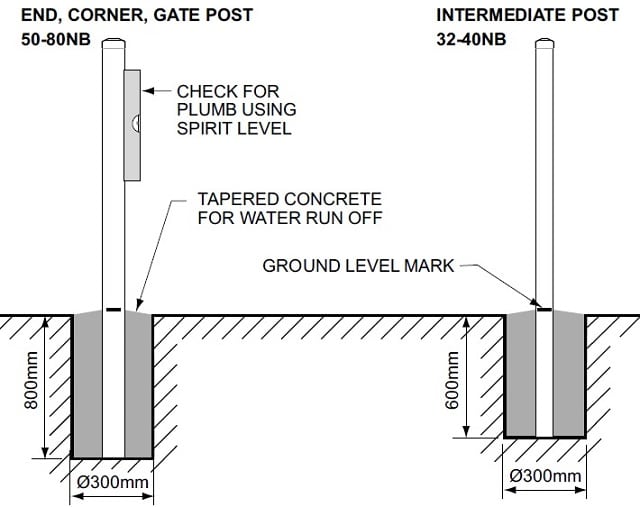
The key to a lean-proof fence starts underground. Always dig post holes below the frost line—aim for 42 inches in most Illinois regions to account for local codes. For a standard 6-foot fence, bury posts at least one-third to one-half their total height (e.g., 8-10 feet total post length with 3-4 feet underground). In clay soils, make holes wider (10-12 inches diameter) to allow for backfill that promotes drainage.
Use concrete footings for every post: Mix quick-setting concrete and pour it into the hole, ensuring the post is level and braced while it cures for 24-48 hours. For extra strength in unstable clay, add a gravel base—4-6 inches at the hole's bottom—to facilitate water drainage and prevent settling. Backfill with a sand-gravel mix around the concrete to reduce pressure from expanding clay. Avoid backfilling with native clay alone, as it compacts poorly and traps moisture.
In areas with reactive soils, consider longer posts or helical piers for deep anchoring. For DIYers, tools like post hole diggers or augers are essential, but call 811 to locate utilities first. Professional installers often use sonotubes for precise concrete pours, ensuring a bell-shaped footing that resists uplift.
Improving Drainage to Combat Soil Movement
Water is the enemy of fence stability in Illinois' clay-heavy terrain. Poor drainage leads to pooling, which softens soil and accelerates shifting. To prevent this, grade the soil around your fence line to slope away from posts—at least 1-2 inches per foot for the first 10 feet. This directs rainwater runoff elsewhere, reducing saturation.
Install French drains if water consistently collects: Dig a trench along the fence, line it with gravel and perforated pipe, then cover with soil. In low-lying areas like those near the Mississippi River, raised fence bases or gravel borders can elevate posts above flood-prone zones. For existing fences, add mulch or grass swales to absorb excess moisture. These steps not only prevent leaning but also protect against rot in wooden posts.
Choosing the Right Materials for Illinois Conditions
Material selection plays a huge role in longevity. For wood fences, opt for pressure-treated cedar or redwood, which resist decay in moist clay soils. Apply sealants annually to wooden posts for added protection against moisture. Vinyl and aluminum fences fare better in shifting soils due to their flexibility and rust resistance—ideal for Illinois' humid summers and salty winters.
Chain link with galvanized steel posts is economical and stable when set in concrete, but add tension wires for wind resistance in open areas. In erosion-prone southern Illinois, precast concrete fences provide unmatched stability without deep digging. Avoid untreated wood or shallow-set metal in clay; they'll lean faster than you can say "Midwest monsoon."
Routine Maintenance to Keep Fences Upright
Prevention doesn't end at installation—regular upkeep is crucial. Inspect your fence biannually: in spring after thaw for frost damage, and fall before freezes. Look for leaning posts, loose hardware, or soil erosion. Tighten brackets and replace damaged sections promptly.
Clear vegetation around bases to prevent root interference and moisture buildup. In clay soils, monitor for cracks indicating shrinkage; fill with topsoil and reseed. For added support on older fences, install braces or stakes at leaning points. Applying gravel mulch around posts improves drainage and deters weeds.
When to Call Professionals in Illinois
While DIY is tempting, complex soil issues warrant experts. If your property has severe clay or erosion problems, consult local fence companies familiar with Illinois codes—permits are often required for installations over 6 feet. Pros use geotechnical assessments to tailor solutions, potentially saving thousands in future repairs. In areas like Bloomington with expansive black dirt, foundation specialists can advise on soil amendments.
Costs for professional prevention during installation add $5-10 per linear foot but pay off in durability. Search for licensed contractors through the Illinois Department of Agriculture or local reviews.
Conclusion: Build a Fence That Stands the Test of Time
Preventing fence leaning and shifting in Illinois soil boils down to smart planning: understand your clay-heavy ground, install deeply with concrete and drainage in mind, choose resilient materials, and maintain diligently. By addressing frost heave and moisture early, you'll enjoy a secure, attractive fence that enhances your property for years. Ready to get started? Assess your soil, grab your tools, or call a pro—your stable fence awaits in the Land of Lincoln.
