
Industrial Fence Replacement in Northern IL
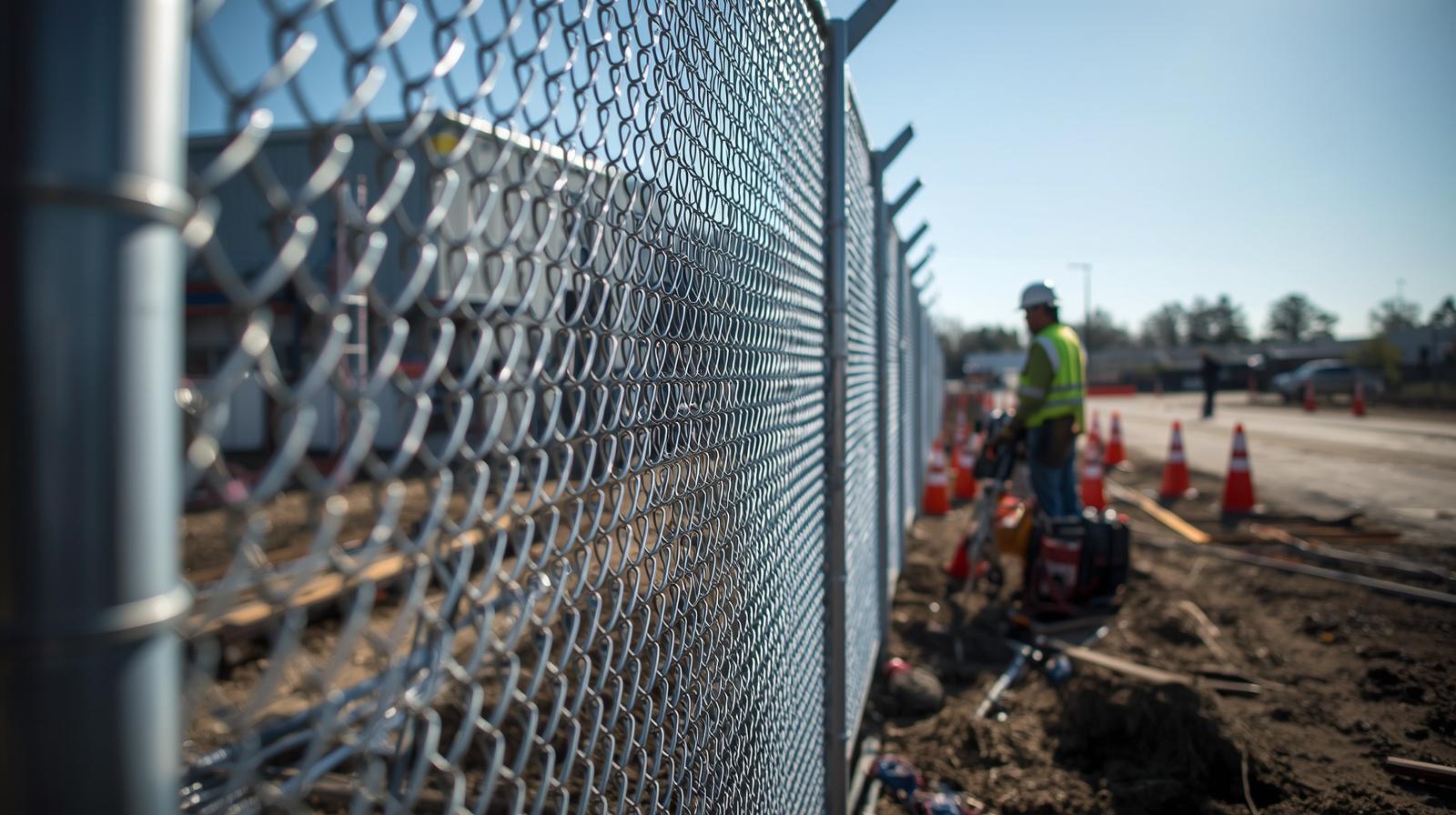
Take a walk along your property line. Do you see rust spots on your chain-link fence or posts leaning after another tough Northern Illinois winter? A failing fence isn't just an eyesore—it’s a direct threat to your security and a potential liability. For many facility managers, a single compromised section can undermine the entire perimeter's integrity, inviting costly operational disruptions, theft, or vandalism.
Recognizing the key signs of failure is the first step toward making a smart, long-term investment in your property's security. This guide demystifies today's durable commercial fence solutions and clarifies what to look for in a contractor.
5 Signs Your Commercial Fence is a Liability, Not an Asset
A sagging or rusted fence does more than hurt your property's appearance; it creates serious security gaps and safety hazards. Knowing the difference between minor wear and critical failure is key to protecting your assets. Keep an eye out for these five definitive signs that your fence is no longer doing its job:
Widespread Rust and Corrosion: Surface rust is one thing, but deep, flaking corrosion weakens the steel, making it brittle and easy to break through.
Leaning or Unstable Posts: Often caused by frost heave in our Northern Illinois soil, leaning posts signal failing concrete footings and a compromised structure.
Broken or Cut Chain-Link Mesh: Any breach in the fence fabric is an open invitation for theft, vandalism, and trespassing.
Malfunctioning or Hard-to-Use Gates: A gate that sticks, sags, or won’t close properly slows down operations and can become a safety liability.
Eroding Ground at the Fence Line: This subtle problem can undermine post stability from below, leading to future leaning and collapse.
While a single issue might be repairable, seeing two or more of these signs—especially unstable posts or widespread rust—often means a full replacement is the most cost-effective choice for long-term security.
What's the Best Fence Material for a Northern Illinois Business?
Once you’ve decided on a replacement, the next step is choosing the right material. For most industrial properties, galvanized chain-link has long been the standard. This is steel fencing coated in zinc, giving it a baseline defense against rust. It’s a cost-effective workhorse for securing large perimeters like logistics centers or storage yards where visibility and boundary marking are the primary goals.
A smarter long-term investment for our climate, however, is often vinyl-coated chain-link. This heavy-duty version adds a sealed layer of protective vinyl over the galvanized steel. This second coating provides superior resistance to moisture and, critically, the corrosive road salt that batters fences all winter in Northern Illinois. The small increase in initial cost pays for itself through a significantly longer, maintenance-free lifespan.
For properties where appearance is just as important as security—like a corporate campus or a modern commercial development—ornamental steel is the premier choice. It offers a formidable combination of strength and visual appeal that lighter materials like aluminum commercial fencing can’t match, sending a clear message of professionalism and permanence.
Beyond the Fence Line: Choosing the Right Industrial Gate
A gate is more than just an opening; it’s a critical control point for your operations. The simplest option is a swing gate, which opens inward or outward like a door. While effective for low-traffic areas, it requires a large, clear swing path, making it impractical for busy entrances where you lose valuable time clearing snow just to open it.
For areas with limited space, a sliding gate is a better choice. The traditional version runs along a track installed in the ground, but this track inevitably fills with ice, snow, and debris in a Northern Illinois winter, leading to jams and costly operational delays. This is why a cantilever gate is almost always recommended. A cantilever system slides open above the ground, supported by rollers on the fence posts. With no ground track to keep clear, it ensures reliable, all-weather access—an essential feature for high-security fence features for businesses in our region.
Why 'Below the Frost Line' is a Critical Phrase in Illinois Fencing
You’ve likely seen older fences with posts that are leaning or look pushed out of the ground. That’s the work of frost heave. As soil freezes and expands during our harsh winters, it grips and forces shallow posts upward. A post that isn't set deep enough is guaranteed to fail, compromising your entire security line.
The only professional solution is setting posts below the "frost line"—the maximum depth the ground freezes. In Northern Illinois, that critical depth is 42 inches. A proper industrial fence installation anchors the post’s concrete footing in stable, unfrozen soil, making it immune to that powerful upward push. This is the single most important factor for fence longevity in our climate.
This gives you a vital question for any contractor: “How deep will you set the posts?” Among commercial fence installation companies northern Illinois, the only right answer is “42 inches or deeper.” Anything less is a clear sign you’re not talking to an expert.
How to Choose the Right Commercial Fencing Contractor
Your fence is a critical business asset, and choosing a contractor should reflect that. Armed with the right knowledge, you can vet professionals and make a smart, long-term investment that secures your facility for years to come.
Before signing a contract, ensure you have clear answers on three key points: the proposed material's suitability for our climate, the gate's design for all-weather operation, and a commitment to setting every post below the 42-inch frost line. Starting with a request for a Certificate of Insurance and demanding clear answers to these questions transforms you from a buyer into a savvy project manager in control of your property's security.
