
Gate Sagging: Hardware Failure vs. Post Movement in Illinois & Wisconsin
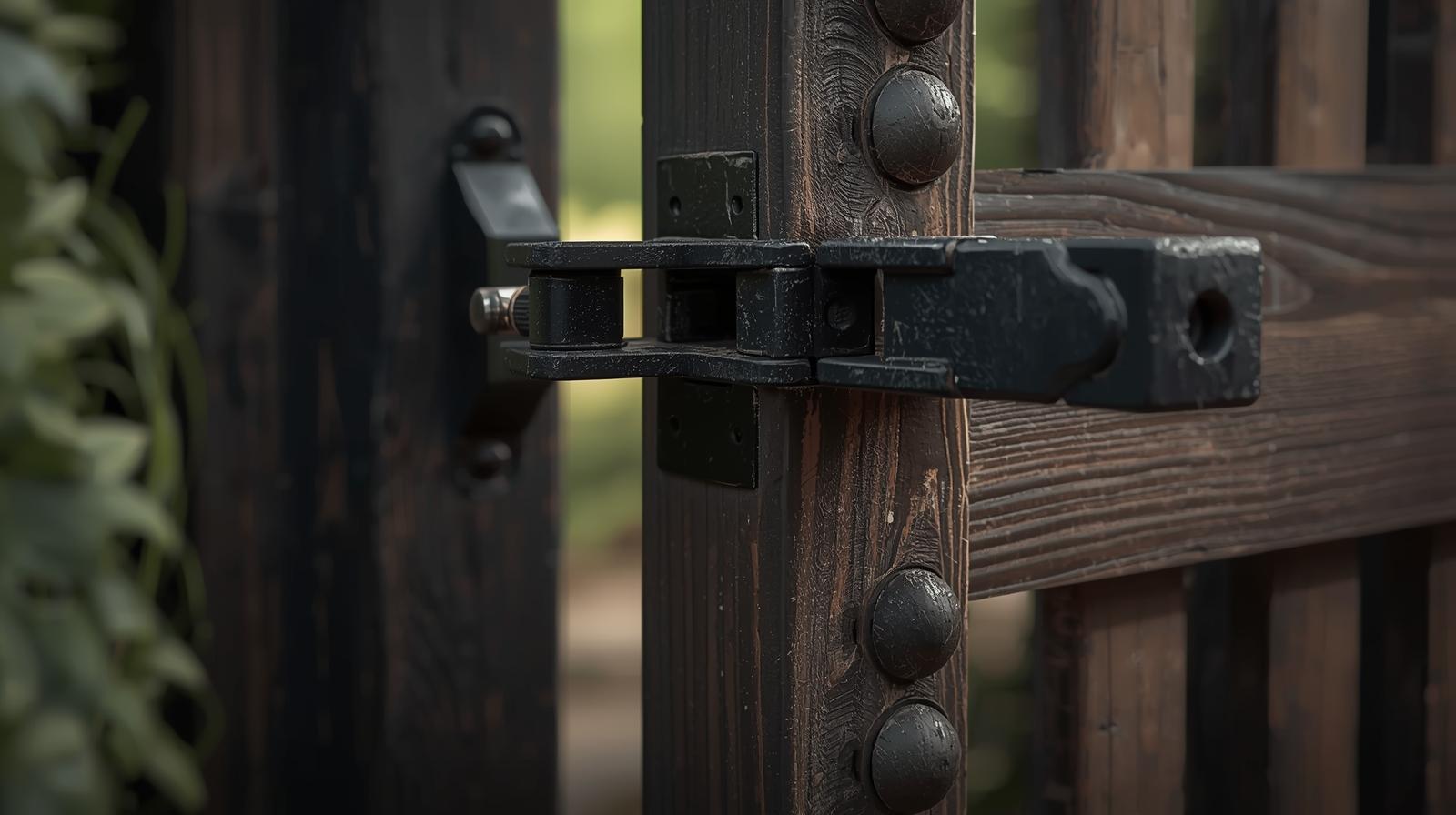
A sagging gate is more than an inconvenience. Whether it’s a residential driveway gate in a Chicago suburb or a commercial security gate at a Wisconsin warehouse, misalignment can affect safety, security, and long-term structural performance.
Most sagging gates are caused by either hardware failure or post movement—and identifying the true cause is critical before attempting repairs.
At Dach Fence, we evaluate sagging gates across Illinois and Wisconsin every year, especially after harsh winters and heavy wind events. Understanding the difference between hardware issues and structural post movement can help homeowners, business owners, and property managers make informed repair or replacement decisions.
Why Gates Sag in the Midwest
Illinois and Wisconsin present unique challenges for fencing systems:
Freeze–thaw cycles that shift soil
Clay-heavy soil conditions in many areas of Illinois
Deep frost lines (often 36–48 inches)
Strong wind loads across open residential and commercial properties
Snow and ice accumulation adding weight and stress
Because gates are moving parts attached to stationary fence systems, they’re often the first component to show signs of structural weakness.
Cause #1: Hardware Failure
What It Means
Hardware failure occurs when the hinges, fasteners, brackets, or latches supporting the gate begin to wear out, loosen, or corrode.
Common hardware issues include:
Loose hinge screws
Rusted hinge plates
Bent hinge pins
Warped gate frames
Latch misalignment
Stripped fasteners in wood posts
In many cases, the post remains structurally sound—but the hardware can no longer support the gate’s weight properly.
Why Hardware Fails
In Illinois and Wisconsin, hardware deterioration is often accelerated by:
Moisture exposure
Road salt near driveways or commercial parking lots
Freeze–thaw expansion in fastener holes
Heavy gate usage (especially commercial properties)
Undersized or low-grade hinges
Commercial gates—especially access control or security gates—are subject to frequent use. High-cycle wear can weaken components faster than typical residential applications.
Signs It’s a Hardware Issue
Look for:
Gate sagging but post remains vertical
Visible rust or corrosion on hinges
Screws pulling out of wood
Gate realigning temporarily when lifted manually
No visible soil movement around the post
If lifting the gate slightly allows it to close properly, hardware may be the primary issue.
Cause #2: Post Movement
What It Means
Post movement occurs when the supporting post shifts in the ground due to soil instability, frost heave, or improper installation.
This is extremely common in the Midwest.
How Freeze–Thaw Cycles Contribute
Soil absorbs moisture. When temperatures drop:
Water in the soil freezes and expands.
Expansion pushes posts upward or sideways.
Thawing allows soil to settle unevenly.
Repeated cycles gradually loosen the footing.
Over time, even a well-built gate can sag if its supporting post shifts just a few degrees out of plumb.
Soil Conditions in Illinois & Wisconsin
Many parts of Illinois have clay-rich soils that expand significantly when wet. Wisconsin’s varied soils also experience frost heave in colder regions.
If posts were not set below the frost line—or if drainage around the post is poor—movement is more likely.
Commercial properties are especially vulnerable near:
Large paved areas
Retention ponds
Loading docks
Snow storage zones
Standing water increases soil saturation, amplifying freeze–thaw movement.
Signs It’s a Post Movement Issue
Post visibly leaning
Cracked concrete at the base
Soil pulling away from the post
Gate dragging even after hinge adjustments
Fence sections near the gate also misaligned
If adjusting hardware does not solve alignment problems, post movement is likely the root cause.
Residential vs Commercial Gate Considerations
Residential Gates
Homeowners often prioritize:
Smooth operation
Curb appeal
Pet and child safety
Driveway access
Wood gates are especially prone to sagging due to natural material expansion and contraction. Wider driveway gates carry more weight and place greater stress on hinges and posts.
Commercial Gates
Business owners and property managers must also consider:
Security compliance
Access control systems
Employee and visitor safety
Liability exposure
Insurance requirements
A sagging commercial security gate can:
Prevent proper latching
Create unauthorized access gaps
Interfere with automated operators
Violate local safety codes
Because commercial gates are heavier and often motorized, post stability is even more critical.
Safety & Liability Risks
A sagging gate may seem minor, but it can lead to:
Tripping hazards
Property damage
Pinch points or injury
Security breaches
Strain on automatic gate motors
For commercial properties, misaligned gates may also compromise fire lane access or emergency vehicle entry—raising compliance concerns.
Prompt evaluation protects both property and people.
Repair vs Replacement: What Makes Sense?
When Hardware Repair Is Sufficient
Hinges are visibly worn but post is stable
Gate frame remains structurally sound
Minor alignment adjustments restore function
Corrosion is limited to surface components
Upgrading to heavier-duty or corrosion-resistant hardware often resolves residential sagging issues.
When Post Reset or Replacement Is Needed
Post is leaning or loose
Concrete footing is cracked or shallow
Frost heave has displaced the foundation
Multiple fence sections are shifting
Gate is unusually heavy for existing support
In some cases, resetting a post with deeper footing below frost depth can restore long-term stability.
For commercial applications, upgrading to reinforced posts or steel supports may provide better durability under wind load and high-cycle usage.
Cost Drivers (Without Exact Pricing)
The cost of correcting a sagging gate depends on several factors:
Type of gate material (wood, vinyl, ornamental steel, chain link)
Gate width and weight
Depth of existing footing
Soil conditions
Accessibility of the site
Whether electrical components are involved (commercial automatic gates)
Compliance upgrades if required
In Illinois and Wisconsin, deeper frost lines and challenging soil conditions can increase labor requirements when resetting posts.
Practical Checklist: What to Look For
If your gate is sagging, walk through this quick inspection:
Step 1: Check the Post
Is it perfectly vertical?
Are there cracks at the concrete base?
Is soil separating from the post?
Step 2: Inspect the Hardware
Are hinges rusted or bent?
Are screws pulling away?
Is the latch misaligned?
Do hinge plates wobble?
Step 3: Test Movement
Lift the gate slightly—does it realign?
Does the sag worsen after heavy rain or snow?
Does it scrape consistently or only seasonally?
Step 4: Look at Surrounding Fence Sections
Are nearby panels leaning?
Is there evidence of soil shifting?
Identifying whether the issue is mechanical or structural prevents temporary fixes that fail again next winter.
Preventing Future Sagging
To reduce gate problems in Midwest climates:
Set posts below local frost depth
Use properly compacted gravel bases
Ensure adequate drainage around gate posts
Install heavy-duty hinges rated for gate weight
Avoid undersized posts for wide driveway gates
Inspect annually before winter
Commercial properties may also benefit from periodic maintenance on automated gate systems to prevent strain caused by misalignment.
Why Professional Evaluation Matters
Distinguishing between hardware failure and post movement requires more than a quick glance. Subsurface conditions, footing depth, and structural load calculations often determine the real cause.
For homeowners, addressing sagging early protects appearance and property value.
For business owners and property managers, it protects security, safety, and compliance.
Dach Fence serves residential and commercial properties throughout Illinois and Wisconsin. If your gate is sagging, dragging, or failing to latch properly, we invite you to request a professional evaluation to determine the root cause and discuss appropriate repair or replacement options.
A properly supported gate should operate smoothly year-round—even through Midwest winters.
