
Gate Installation in Rockton, IL: Manual, Swing & Slide Gate Options
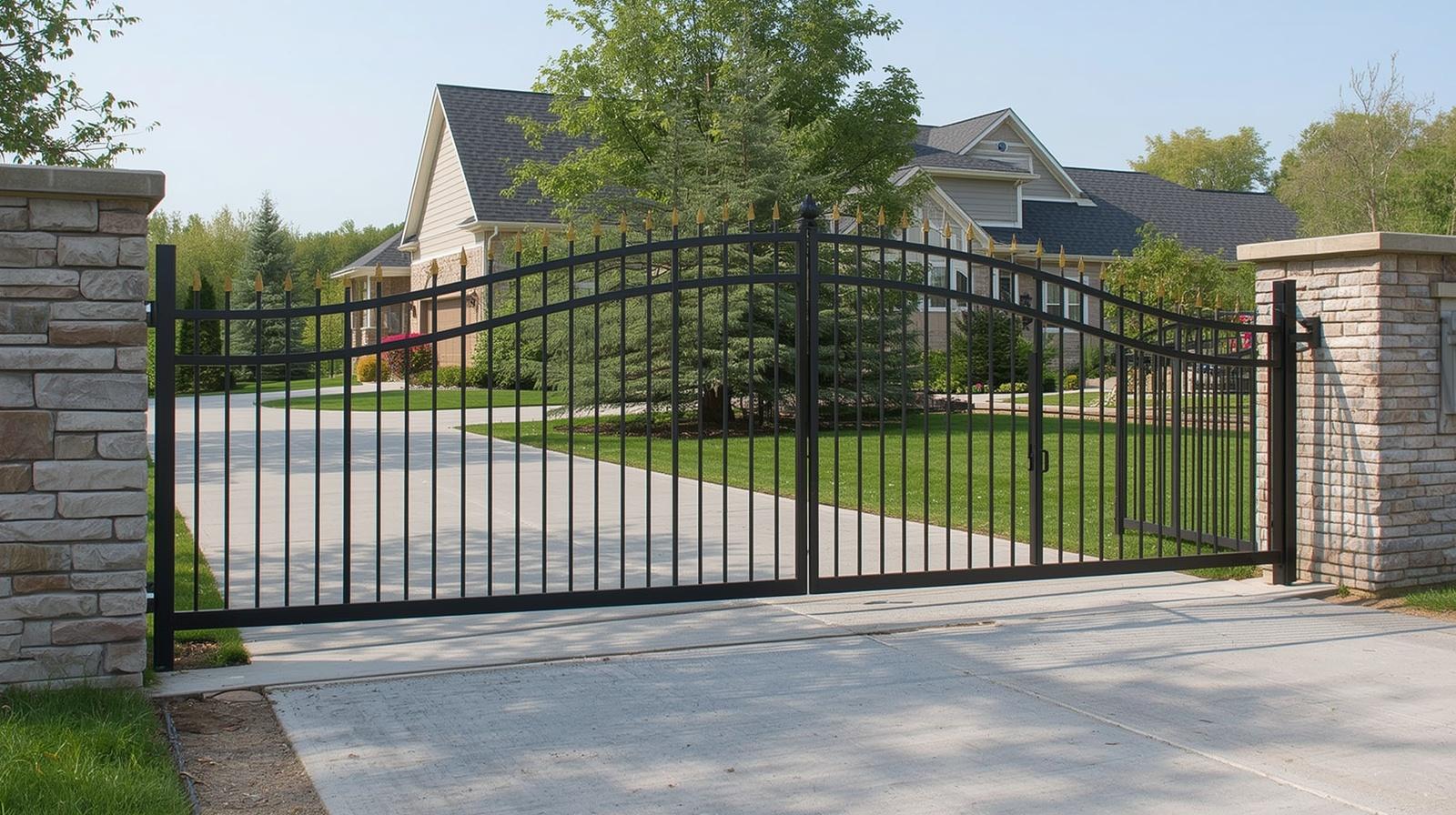
Gate installation in Rockton, IL should be planned around how people, vehicles, pets, equipment, or service crews need to access the property. Manual gates, swing gates, and slide gates each serve different needs, so choosing the right option depends on space, security, budget, fence type, and Midwest weather conditions.
Why Gate Planning Matters for Rockton Properties
A gate is one of the most used parts of any fence system. Whether it is installed for a home, business, commercial property, storage area, pool enclosure, or equipment yard, the gate needs to open smoothly, close securely, and fit the way the property is used every day.
For property owners in Rockton, IL, gate installation should be planned carefully before the fence project begins. A fence may be built well, but if the gate is too narrow, poorly placed, or difficult to operate, the entire layout can become frustrating.
The right gate should support access, security, convenience, and long-term durability. It should also be planned for Midwest weather, including wind, rain, snow, ice, freeze-thaw cycles, storm damage, and seasonal ground movement.
Start with the Purpose of the Gate
Before choosing a gate style, think about what the gate needs to do. A backyard walk gate has different needs than a commercial slide gate, a driveway gate, or a gate for a dumpster enclosure.
Common reasons for gate installation include:
Backyard access
Pet containment
Pool entry
Driveway access
Mower or trailer access
Commercial deliveries
Employee or service access
Equipment movement
Dumpster enclosure access
Storage yard security
Access control planning
Once the purpose is clear, it becomes easier to decide whether a manual gate, swing gate, slide gate, or access-controlled gate is the best fit.
Manual Gate Options
Manual gates are common for both residential and commercial properties. They are operated by hand and may be used with wood fencing, vinyl fencing, chain link fencing, aluminum fencing, ornamental fencing, or dumpster enclosures.
Manual gates may be a good fit when the gate does not need frequent vehicle access or powered operation. They are often used for backyards, side yards, pool areas, pet areas, and smaller commercial access points.
Benefits of Manual Gates
Manual gates can be simple, practical, and cost-conscious. They are useful when property owners want reliable access without adding electrical components or automatic controls.
Manual gates may work well for:
Residential walk gates
Backyard access
Side yard gates
Pool enclosures
Pet areas
Garden access
Dumpster enclosures
Smaller commercial spaces
The key is choosing proper hardware. Hinges, latches, locks, and posts should match the gate size and frequency of use. A heavy gate with weak hardware can sag or become difficult to use over time.
Swing Gate Options
Swing gates open inward or outward like a door. They are common for residential properties, driveways, commercial spaces, and fenced yards where there is enough clear space for the gate to swing.
A swing gate can be a single gate or double gate. Single swing gates are often used for walkways and smaller openings. Double swing gates are useful for wider access, such as mowers, trailers, service vehicles, or driveway openings.
When Swing Gates Make Sense
Swing gates may be a good option when the property has enough open space for the gate to move without hitting vehicles, landscaping, snow piles, or other obstacles.
Swing gates are often used for:
Residential backyards
Driveway openings
Mower access
Pool areas
Commercial service areas
Equipment access
Dumpster enclosures
Ornamental fence entrances
Before installing a swing gate, property owners should consider the slope of the ground, swing direction, snow clearance, latch placement, and how often the gate will be used.
In Rockton winters, snow and ice can build up near gate openings. If the gate is too low or the swing path is not planned well, it may drag or become hard to open.
Slide Gate Options
Slide gates move horizontally along the fence line instead of swinging open. They are commonly used for commercial properties, storage yards, driveways, and locations where a swing gate does not have enough room to open.
Slide gates can be especially useful for wider vehicle openings or properties where space in front of or behind the gate is limited.
When Slide Gates Make Sense
Slide gates may be a good fit when the property needs vehicle access, stronger security, or a gate that does not swing into a driveway, parking area, or work zone.
Slide gates are often used for:
Commercial entrances
Storage yards
Equipment areas
Industrial properties
Driveway access
Restricted areas
Access-controlled entries
Properties with limited swing space
Slide gates require enough space along the fence line for the gate to travel. The ground, track or hardware system, fence alignment, and gate opening width all need to be planned carefully.
For commercial properties in Rockton, slide gates may also be paired with access control when relevant, such as keypad entry, card readers, controlled vehicle access, or security coordination.
Residential Gate Installation in Rockton
For homeowners, gate installation is usually about convenience, safety, privacy, and daily access. A residential gate should make the yard easier to use, not harder.
Homeowners may need gates for:
Walking pets
Mowing the yard
Accessing a backyard or patio
Taking out trash bins
Pool entry
Garden access
Utility areas
Service workers
Moving larger items through the yard
For residential fencing, gates should match the fence material and purpose. A wood privacy fence may need a solid wood gate. A vinyl fence may need a matching vinyl gate. A chain link fence may use a practical metal-framed gate. Aluminum or ornamental fencing may use a gate that keeps the same decorative appearance.
Commercial Gate Installation in Rockton
Commercial gate installation often has different priorities than residential gate work. Business owners, property managers, and commercial property owners may need gates for security, traffic flow, deliveries, restricted access, and equipment movement.
Commercial gates may be used for:
Storage yards
Equipment areas
Dumpster enclosures
Service entrances
Employee access points
Delivery areas
Parking or vehicle access
Utility areas
Commercial fence perimeters
For commercial properties, gate width and placement are especially important. A gate should be wide enough for the vehicles or equipment that need to pass through. It should also be positioned so it does not interfere with traffic flow, parking, loading areas, or emergency access.
Access control should be considered early if the property needs controlled entry. This helps ensure the gate, fence, hardware, and layout can support the system properly.
Gate Hardware and Security Details
Gate hardware affects how well the gate performs over time. Hinges, latches, locks, posts, rollers, and frames should be selected based on gate size, material, and use.
Important gate details include:
Gate width
Swing or slide direction
Post strength
Latch type
Lock options
Hinge quality
Ground clearance
Snow and ice clearance
Frequency of use
Access control needs
A gate that is used every day needs stronger planning than a gate opened only occasionally. Commercial gates and wider residential gates may need heavier-duty hardware to prevent sagging, dragging, or alignment problems.
Midwest Weather and Gate Performance
Gate installation in northern Illinois should account for changing weather. Wind, rain, snow, ice, freeze-thaw cycles, and storm damage can all affect gate performance.
Strong winds can stress gates, hinges, posts, and latches. Snow and ice can block gate movement or affect ground clearance. Rain can soften soil around posts. Freeze-thaw cycles can cause ground movement, which may affect alignment over time.
Proper post installation, hardware selection, spacing, and drainage awareness can help reduce seasonal problems. Property owners should also check gates after storms or harsh winter weather for sagging, loose hardware, or alignment issues.
Cost Factors for Gate Installation
Gate installation cost depends on the type of gate, material, size, hardware, and property layout. A simple manual walk gate will usually have different cost factors than a wide double swing gate, slide gate, commercial gate, or access-controlled entry.
Common cost factors include:
Gate material
Gate width and height
Manual, swing, or slide design
Hardware type
Fence material
Post requirements
Locking needs
Access control needs
Ground slope
Snow clearance planning
Commercial security requirements
The most accurate way to understand cost is to request an estimate based on the actual property and gate needs.
Contact Dach Fence for Gate Installation in Rockton, IL
A well-planned gate should fit the fence, support daily use, and hold up through Midwest weather. Whether you need a manual gate, swing gate, slide gate, driveway gate, pool gate, dumpster enclosure gate, commercial gate, or access control planning, the right setup makes a difference.
Dach Fence helps homeowners, business owners, property managers, and commercial property owners choose practical gate and fencing solutions built for real use.
For gate installation in Rockton, IL, contact Dach Fence today for a free estimate. Visit dachfence.net to get started.
