
Gate Access Control in Loves Park, IL: What Businesses Need to Know
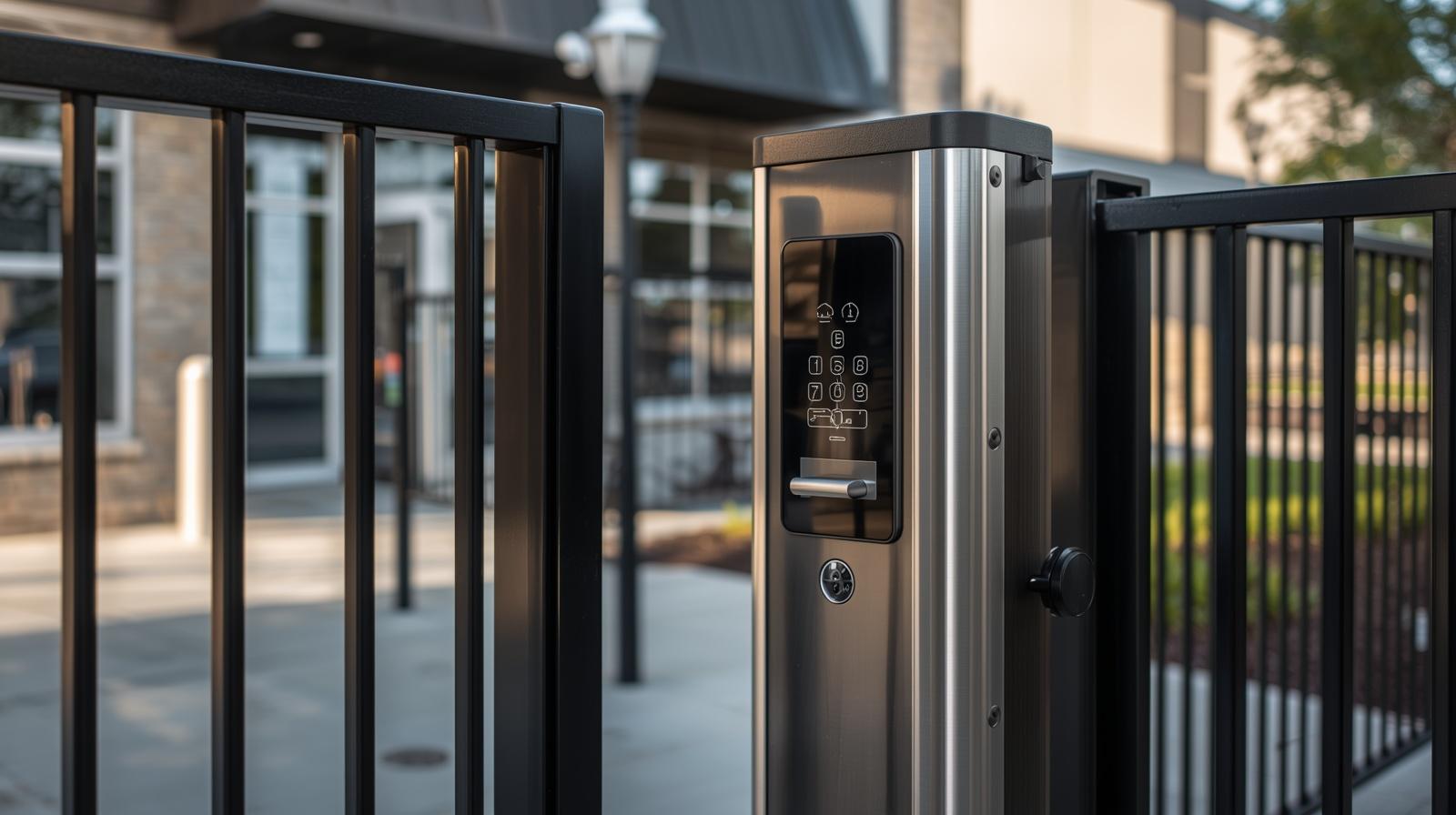
Gate access control in Loves Park, IL helps businesses manage vehicle entry, employee access, deliveries, restricted areas, and after-hours security. Before installing a gate or access control system, business owners should consider gate type, traffic flow, security needs, power access, permits, maintenance, and Midwest weather.
Why Gate Access Control Matters for Loves Park Businesses
For many businesses, a fence is only part of the security plan. If employees, vendors, customers, service crews, or delivery vehicles need to enter the property, the gate becomes one of the most important parts of the system.
Gate access control helps businesses decide who can enter, when they can enter, and how the property is accessed throughout the day. It may be used for commercial lots, storage yards, warehouses, apartment properties, service businesses, equipment areas, parking lots, and restricted spaces.
For businesses in Loves Park, IL, the right setup should support security while still making daily operations easier. A gate should not block traffic, slow down deliveries, or create access problems for employees and service vehicles.
Start with the Purpose of the Gate
Before choosing a gate or access control system, business owners should define what the gate needs to do. A gate for a storage yard has different needs than a gate for employee parking, a dumpster enclosure, a delivery entrance, or a restricted equipment area.
Common reasons businesses install gate access control include:
Controlling vehicle entry
Protecting equipment or inventory
Managing employee access
Restricting after-hours entry
Supporting vendor or delivery access
Separating public and private areas
Securing storage yards
Improving traffic flow
Reducing open access to the property
Once the purpose is clear, it becomes easier to choose the right gate type, access method, hardware, and layout.
Manual Gates vs. Access-Controlled Gates
Not every commercial property needs a fully automated gate system. Some businesses may only need a strong manual gate with a lock. Others may need keypad entry, card access, remote access, or controlled vehicle access.
Manual Commercial Gates
Manual gates are operated by hand and may be a practical option for lower-traffic areas. They are often used for dumpster enclosures, service yards, equipment spaces, storage areas, and properties where only a few people need access.
Manual gates may work well when:
The gate is not used constantly
Electrical access is limited
A lock-and-key setup is enough
The area has low traffic
The budget is more limited
Even a manual gate needs proper planning. Strong posts, durable hinges, reliable latches, and quality locks help prevent sagging, dragging, and security issues.
Access-Controlled Gates
Access-controlled gates are used when a business needs more control over entry. Depending on the property, access may be managed through keypads, card readers, remotes, intercoms, or other entry systems.
Access control may be useful when:
Multiple employees need access
Vendors or deliveries need controlled entry
After-hours security is a concern
Vehicle traffic needs to be managed
Keys are difficult to track
Entry permissions may change over time
Access control should be planned early so the gate, fence, power source, hardware, and traffic layout all work together.
Swing Gate Options
Swing gates open inward or outward like a door. They can be single or double gates depending on the width of the opening.
Swing gates may be used for:
Service entrances
Parking areas
Dumpster enclosures
Equipment access
Commercial driveways
Smaller restricted areas
Before choosing a swing gate, businesses should consider the swing direction, available space, slope, parking areas, snow buildup, and traffic flow. If vehicles, equipment, landscaping, or winter snow piles block the swing path, the gate may become difficult to use.
Slide Gate Options
Slide gates move horizontally along the fence line instead of swinging open. They are often used for commercial properties that need wider vehicle access or do not have enough room for a swing gate.
Slide gates may be useful for:
Storage yards
Commercial entrances
Industrial properties
Equipment areas
Parking areas
Access-controlled entries
Properties with limited swing space
A slide gate needs enough room along the fence line for the gate to travel. The ground conditions, gate hardware, rollers, track or support system, and opening width should all be reviewed before installation.
Slide gates are often a strong option when security and vehicle access are both priorities.
Traffic Flow and Daily Operations
A commercial gate should make the property more secure without slowing down daily operations. Traffic flow is one of the most important parts of gate planning.
Before installation, business owners should review:
How employees enter and exit
Where deliveries arrive
Whether trucks or trailers need access
Whether customers or tenants use the area
Where service vehicles park
Whether vehicles may stack near the gate
Whether emergency access is needed
Whether the gate could block loading areas
A gate placed too close to a road, building, parking space, or loading area may create congestion. A good layout allows vehicles to enter, stop, turn, and exit safely.
Security and Access Levels
Different businesses need different levels of security. A small service area may only need a locked manual gate. A larger commercial property may need controlled access for employees, managers, vendors, delivery drivers, and maintenance crews.
Access planning may include:
Employee access
Manager access
Vendor access
Delivery access
Service crew access
After-hours access
Emergency access
Restricted area access
Businesses should also think about who manages access permissions. If employees leave, vendors change, or operating hours shift, the system should be easy to update.
Matching the Gate to the Fence
Gate access control should work with the overall fence system. The gate, posts, hardware, and access equipment need to match the fence material and purpose.
Common commercial fencing options include:
Chain link fencing
Ornamental fencing
Wood screening
Vinyl fencing
Dumpster enclosures
Temporary fencing
Security fencing
Chain link is often used for commercial security because it is practical, durable, and useful for larger areas. Ornamental fencing may be a better fit for public-facing entrances where appearance matters. The gate should match both the material and the security level of the fence.
Power, Controls, and Placement
Access-controlled gates may require power and equipment planning. If the gate will include a keypad, card reader, opener, intercom, or other entry system, the location needs to support safe and practical use.
Important planning questions include:
Is power available near the gate?
Where will controls be placed?
Can drivers reach the keypad safely?
Is there enough lighting?
Will snow affect access equipment?
Is the equipment protected from impact?
Can the system be maintained easily?
These details should be addressed before installation so the gate system works smoothly once it is in use.
Permits and Local Planning
Gate access control in Loves Park should include permit and local planning before work begins. Business owners should review fence permits, gate placement, property lines, easements, site access, visibility, and commercial use needs before finalizing the layout.
A gate or fence project may also need review if it affects driveways, sidewalks, roads, utility access, emergency access, or shared areas. Planning ahead helps avoid delays and layout changes during installation.
Midwest Weather and Gate Performance
Commercial gates in northern Illinois need to handle Midwest weather. Wind, rain, snow, ice, freeze-thaw cycles, storm damage, and seasonal wear can affect gates, posts, hinges, rollers, locks, and access control equipment.
Strong winds can stress wide gates. Snow and ice can block swing paths or slide gate travel. Rain can soften soil around posts. Freeze-thaw cycles can affect alignment over time.
To support long-term performance, gate planning should include strong post installation, durable hardware, proper ground clearance, snow and ice clearance, drainage awareness, and regular inspection.
Cost Factors for Gate Access Control
Gate access control cost depends on the size and complexity of the project. A small manual gate will usually have different cost factors than a wide slide gate, double swing gate, or access-controlled vehicle entry.
Common cost factors include:
Gate type
Gate width and height
Manual or automated operation
Swing or slide design
Fence material
Hardware requirements
Locking needs
Access control equipment
Site conditions
Power needs
Commercial security requirements
Permit or planning requirements
The most accurate estimate comes from reviewing the actual property, access needs, and fence layout.
Contact Dach Fence for Gate Access Control in Loves Park, IL
Gate access control in Loves Park, IL should be planned around security, traffic flow, gate type, hardware, permits, weather, and long-term use. Whether your business needs a manual gate, swing gate, slide gate, chain link fence, ornamental fence, dumpster enclosure, access control, fence repair, or fence replacement, the right setup can make the property safer and easier to manage.
Dach Fence helps business owners, property managers, and commercial property owners choose practical gate and fencing solutions built for real daily use.
For gate access control in Loves Park, IL, contact Dach Fence today for a free estimate. Visit dachfence.net to get started.
