
Fence Replacement vs Repair in Wisconsin
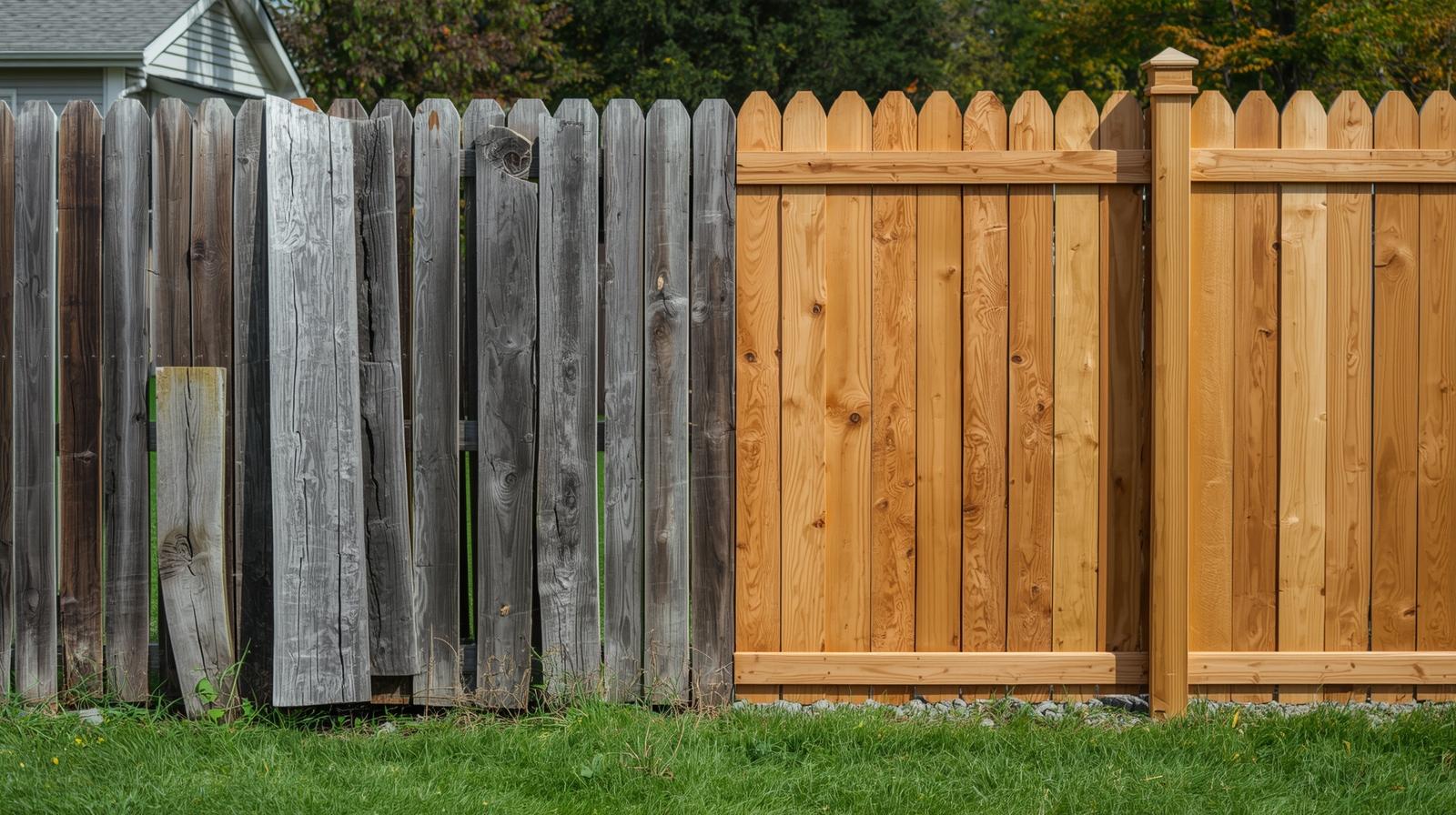
After a classic Wisconsin thunderstorm, you notice it: the fence is leaning. It survived the winter, but that last gust was the final straw. Now you face the big question of fence replacement vs. repair—a simple fix or a full replacement?
Making the right choice can save money and future headaches, especially for storm damage repair. Wisconsin’s harsh winters often cause underlying problems that turn a small fix into a recurring chore. This guide helps you spot the difference.
Instead of guessing, use this simple checklist to determine when a wood fence should be replaced and make a confident financial choice for your home.
Your 5-Minute Fence Health Checklist: How to Diagnose the Damage
To decide between a quick fix and a full replacement, you must first know what you’re up against. A leaning fence is often a symptom of a deeper issue, and a few minutes of detective work can save you significant time and money.
Grab a screwdriver and take a quick walk along your fence line. This simple inspection will tell you most of what you need to know.
The Wiggle Test: Firmly grab the top of each main vertical post. Does it move more than an inch? A wobbly post is a major red flag for a weak foundation.
The Screwdriver Test: Gently poke the base of each wood post where it meets the ground. If the screwdriver sinks in easily, you’ve found rot.
The Rail Inspection: Look at the horizontal boards (called rails or stringers) that connect the posts. Are they sagging, cracked, or pulling away?
The Picket Count: Finally, count the individual vertical slats, or pickets, that are broken, rotted, or missing.
A few broken pickets are an easy weekend repair. But if your inspection revealed multiple wobbly posts or widespread rot at the base, you're likely seeing signs of a bigger, more systemic failure. Often, the reason for this goes deeper than the wood itself, starting with a hidden culprit just below the ground.
The Hidden Culprit: Why Wisconsin Fence Posts Fail From Below
If the “Wiggle Test” revealed loose posts but the screwdriver found little rot, you might be puzzled. The wood seems fine, so why is the fence leaning? In Wisconsin, the answer often lies in a powerful force working beneath your lawn: frost heave.
Our ground freezes deep every winter and thaws every spring. This powerful cycle can act like a slow-motion jack, pushing your fence posts right up out of the ground. When the soil thaws, the post doesn’t settle back into the same spot, leaving it loose and crooked. That's why a proper installation must sink posts below the regional frost line—the depth the ground freezes to—anchoring them beneath the shifting, frozen soil.
You can often tell the difference just by looking. A post failing from rot will look chewed up and feel soft at the ground line. In contrast, a post suffering from frost heave may look perfectly solid, but it will be tilted, and you might even see a gap between the post and the dirt where it has been lifted. It's the primary reason a once-straight fence starts to look wavy over time.
This distinction is critical. Frost heave indicates a fundamental installation problem, not just a failing post. Simply packing dirt around a heaved post is a temporary fix; the cycle will repeat next year. The only permanent solution is to dig out and reset the posts correctly. This knowledge is key to deciding between a simple repair and a full replacement.
The 25% Rule: A Simple Guide to Deciding Between Repair and Replacement
After your inspection, it's time to decide: is it cheaper to repair or replace a fence? A simple guideline is the 25% Rule. If over a quarter of your fence—especially the posts—is rotten, loose from heave, or otherwise failing, replacement is the smarter financial choice. At that point, you’re no longer spot-fixing; you’re fighting a systemic failure.
This is a tipping point. Chasing individual repairs on a fence with widespread damage is like constantly patching an old tire—the small fixes and your time quickly add up to more than a permanent solution. The condition of the posts holding the panels up is what truly matters.
Replacement is an investment. Though the upfront cost is higher, it buys decades of stability and peace of mind. You're paying to not worry about the fence again. If you've crossed that 25% threshold, the next step is choosing a material that lasts in our tough climate.
Choosing a Fence That Survives Wisconsin: Wood vs. Vinyl
When you picture a new wood fence, it’s important to know that not all wood is created equal. While standard pressure-treated pine is common, Cedar is a far more resilient choice for our climate. Cedar contains natural oils that inherently fight off moisture and decay, making it one of the best fence material for Wisconsin climate options. This natural resistance is a huge advantage, especially at the post base where wet soil and melting snow cause the most damage, helping you avoid future wood fence rot repair solutions.
For homeowners who are simply done with yearly upkeep, however, vinyl has become the go-to solution. The benefits of a vinyl fence in cold weather are especially clear here in Wisconsin. It won’t rot when snow piles up against it, it won’t warp after a humid summer, and it will never need a single coat of paint or stain. For many, the appeal of a fence that looks the same in ten years as it does today—with just an occasional rinse—is a powerful trade-off.
Ultimately, the decision between cedar and vinyl hinges on your long-term priorities. Choose cedar for its timeless, natural beauty and built-in durability against the elements. Choose vinyl if your primary goal is to install a great-looking fence and then rarely think about it again. Both are excellent investments that stand up to our demanding seasons.
Your Fence's Future: A Clear Path Forward
You can now walk your fence line and see more than just a leaning post; you see the story behind it. By diagnosing the root cause—whether rot or the tell-tale signs of frost heave—and applying the 25% rule, you've moved from uncertainty to a confident decision.
If repair is your path, ensure any new wood posts are "ground-contact rated" and set them in gravel for better drainage. If you're pursuing a full fence installation in Wisconsin, your most important job is to ask every contractor one question: “How deep do you set the posts?” The only right answer for our climate is 48 inches.
Your fence is no longer just a boundary. It’s a well-considered part of your home, and your informed choice ensures it will stand strong through every Wisconsin thaw and freeze to come.
