
Fence Replacement Cost in Southern Wisconsin
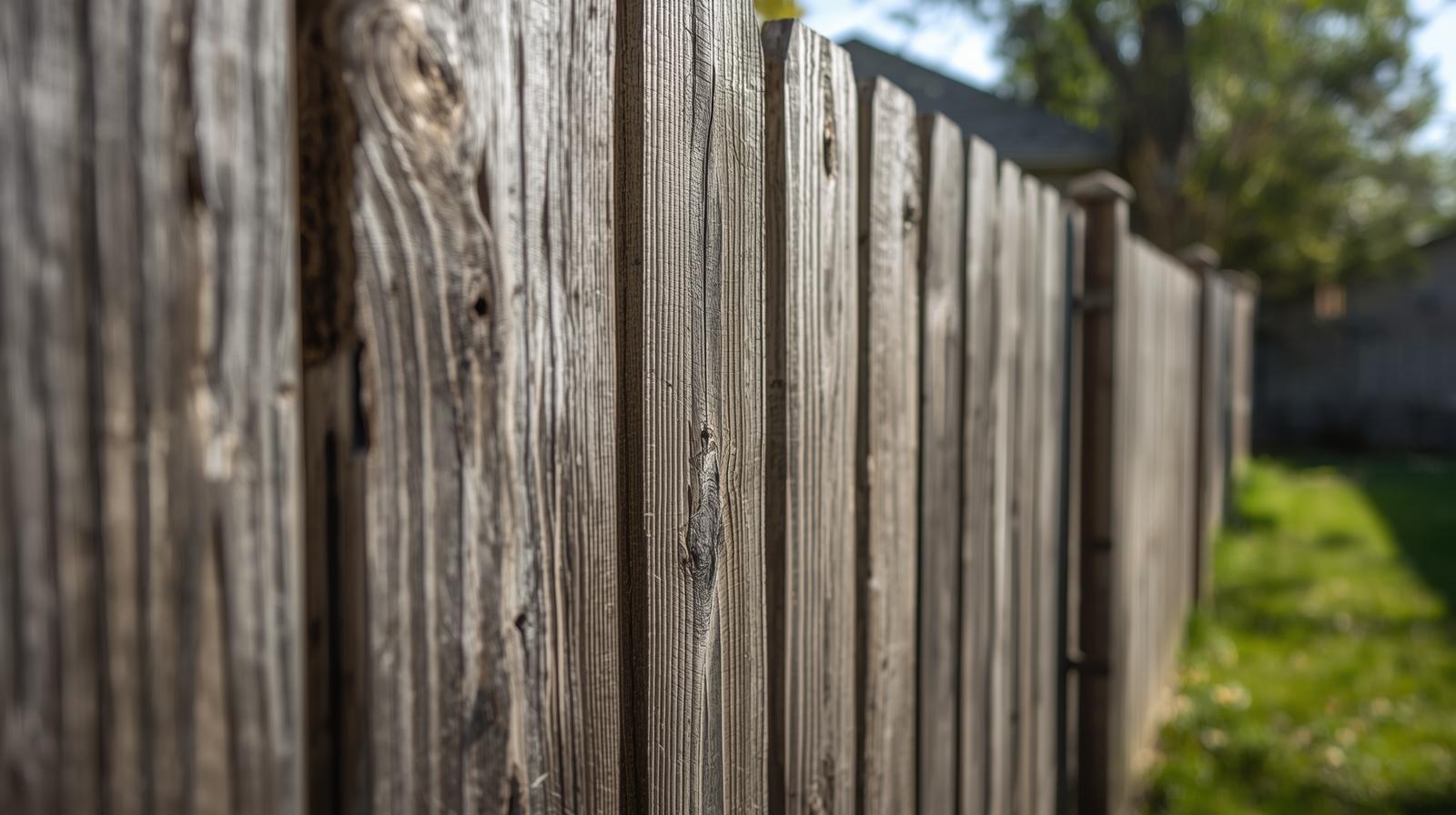
If you have lived through a winter in Madison or Milwaukee, you know exactly what the freeze-thaw cycle does to a leaning wooden fence. As the ground finally softens, that nagging "fix-it later" project often turns into an urgent priority to keep pets and privacy secure. While generic online calculators might suggest one price, local industry data indicates that the true Fence Replacement Cost in Southern Wisconsin is driven heavily by our unique climate requirements, specifically the need to anchor posts deep enough to survive the cold.
The most frustrating answer to "how much?" is "it depends," but you shouldn't have to guess whether your backyard upgrade is a $3,000 or $10,000 investment. Most professional estimates in our region rely on a linear foot calculation—the total length of the fence line—which typically ranges between $15 and $45 depending on your choice of materials. Unlike buying a simple product off the shelf, fence installation costs involve variable site conditions that can shift your final total significantly.
Ignoring these regional specifics often leads to expensive repairs later. Because Wisconsin's frost line runs deep, posts must be set 36 to 42 inches into the ground to prevent "frost heave," a phenomenon where freezing soil literally pushes shallow posts out of the earth. Understanding the total cost of fencing requires looking beyond just the price of pickets to consider the specialized labor required to make your investment last through the next blizzard.
Wood vs. Vinyl vs. Aluminum: Comparing Longevity and ROI in the Kettle Moraine Climate
While initial price tags often dictate the final decision, Southern Wisconsin’s distinct freeze-thaw cycle should actually drive your material choice. A fence that looks pristine in a July showroom must also withstand February’s ice storms and April’s soggy thaw. If you select materials based solely on the lowest bid, you may find yourself paying the difference in labor and stain within the first five years.
Pressure-treated pine acts as the entry-level standard, but the real "Goldilocks" material for our region is Cedar. Because Cedar contains natural oils that repel rot and insects without chemical additives, the average cost per linear foot for cedar fencing typically represents the sweet spot between upfront affordability and lifespan. Conversely, homeowners in the rolling terrain of the Kettle Moraine often favor Aluminum. Its "rackable" design allows panels to follow steep slopes without leaving gap-toothed spaces at the bottom, offering an elegant solution for uneven prairie lots.
When analyzing vinyl vs wood fence longevity and pricing, the best options require a mindset shift from immediate savings to long-term value.
20-Year Cost Projection by Material Type
Good (Pressure-Treated Pine): Lowest upfront cost ($25–$35/ft), but requires ~$2,000 in stain/sealant labor over 20 years to prevent warping.
Better (Red Cedar): Moderate upfront cost ($45–$60/ft); naturally resists checking and requires less frequent maintenance to maintain structural integrity.
Best (Vinyl & Aluminum): Highest upfront cost ($70–$100/ft); considered durable fencing materials for Midwest winters because they offer a true "zero-maintenance" lifecycle, costing $0 after installation.
Ultimately, a slightly higher upfront investment often yields the best maintenance-adjusted ROI by eliminating weekends spent scraping and painting. However, even the most expensive material will fail if the foundation moves.
Why the Frost Line Dictates Your Labor Cost: The Science of Wisconsin Post-Setting
If you have driven around Waukesha or Madison in late March, you have likely noticed "drunken fences" leaning haphazardly toward the sidewalk. This structural failure isn't just bad luck; it is the inevitable result of fighting physics with shallow footings. In Southern Wisconsin, soil moisture freezes and expands with tremendous force, pushing everything upward in a process called "frost heave." To anchor your investment permanently, posts must sit below the point where the ground freezes, which in our region requires a depth of at least 42 inches. If a contractor stops digging at two feet to save time, your fence is essentially floating on an ice block that melts and shifts every spring.
Digging nearly four feet into our heavy clay or rocky glacial till requires significantly more mechanical power than the shallow holes common in warmer states. This geological reality is exactly where you will find the biggest variance in fence installation costs. A quote that arrives $1,000 lower than the average often indicates a crew planning to hand-dig shallow holes rather than hauling in hydraulic augers to penetrate the bedrock. When you ask a potential hire how deep should fence posts be in Wisconsin frost, the only acceptable answer is "below 42 inches," regardless of how much limestone they hit along the way.
Paying for this heavy equipment explains why regional labor rates for professional fence contractors often range between $15 and $30 per linear foot, depending on site access. While spending extra budget on invisible underground concrete feels painful during the estimate phase, it prevents the $3,000 nightmare of re-setting your entire perimeter after a single harsh winter. Once you have secured a contractor who respects the geology, the next hurdle is ensuring your municipality agrees with your plan.
Navigating Local Red Tape: Milwaukee and Madison Permit Requirements
Installing a fence without checking municipal codes is a gamble that can cost you double if an inspector forces you to tear it down. Cities like Madison enforce specific setbacks from sidewalks or alleys, and you cannot assume an old fence followed current Milwaukee residential fence permit requirements. Unless you locate existing boundary pins, budgeting roughly $400 for property line survey costs for new fencing is significantly cheaper than moving a permanent structure later.
Once boundaries are set, safety takes priority. Wisconsin law requires contacting Diggers Hotline three days before breaking ground to flag underground gas and electric lines. Since posts must sit 42 inches deep to survive the frost, hitting an unmarked line is a dangerous risk. Understanding the Diggers Hotline utility marking process is just as vital as selecting your lumber.
To keep your project legal and neighborly, complete this pre-installation checklist:
Locate or update your property plat of survey.
Submit your site plan and fee for the municipal permit.
Contact Diggers Hotline (811) to mark utilities.
Review HOA guidelines for material restrictions.
Notify neighbors of your timeline to minimize friction.
The 'Invisible' Expenses: Removal, Hauling, and Sloped Terrain Adjustments
While visualizing your new backyard oasis is easy, homeowners often overlook the labor required to demolish the current eyesore. A standard installation quote rarely covers the cost to remove old fence and haul away debris, which involves digging out heavy concrete footings and paying local landfill tipping fees. If you assume the contractor will handle this for free, you might face a surprise surcharge of $300 to $600 depending on the total linear footage and material weight.
Geography also dictates your final invoice, particularly in our region's rolling landscapes. A flat yard offers the cheapest installation, but the impact of sloped terrain on fencing labor costs creates significant variance. Contractors must either "rack" the fence panels to follow the ground’s angle or "step" them down the hill like a staircase to keep the top level. Both methods require custom cutting and precision measurement, increasing the installation timeline by several hours compared to a level lot.
When using an online fence cost calculator, always manually add a 10–15% buffer for site-specific complications that generic algorithms miss. Common "invisible" line items that stabilize your budget include:
Stepping/Racking Fees: $10–$25 extra per section for non-level ground.
Disposal Surcharges: $3–$6 per linear foot for tearing out and hauling old pressure-treated wood.
Soil Difficulty Tiers: Premium labor rates for rocky soil or heavy clay that slows down post-hole digging.
Timing Your Investment: Seasonal Discounts and Professional Scheduling
Most homeowners instinctively pick up the phone the moment the snow melts in April, creating a massive bottleneck that drives up prices and extends wait times. Smart buyers know that the best time of year for fence installation in Wisconsin is actually late autumn, specifically October and November, before the ground freezes. By waiting until the summer rush cools down, you often gain access to "shoulder season" pricing, where contractors are more willing to negotiate labor costs to keep their crews busy before winter sets in.
Conversely, booking in July often means paying premium demand-based labor rates simply to secure a spot on the calendar. Be cautious of quotes that seem drastically lower than average during these peak months, as they often signal inexperienced crews cutting corners to maximize turnover. Reliable Madison WI professional fence installation rates reflect the reality of a tight labor market, so a surprisingly low bid during the busy season usually implies they are skipping critical steps like calling Digger’s Hotline or setting posts below the frost line.
Planning your project timeline strategically also allows you to lock in material costs before end-of-year supplier price hikes. This is particularly important when budgeting for aluminum privacy fence installation, as metal prices can fluctuate significantly based on global supply chains and trade tariffs.
Your 4-Step Fence Replacement Action Plan: From Quote to Final Inspection
You no longer need to guess how Wisconsin winters or rocky soil will impact your budget. Understanding the real drivers behind Fence Replacement Cost in Southern Wisconsin—from frost-depth posts to material longevity—transforms a daunting expense into a calculated investment. Instead of worrying about hidden fees, you now have the tools to build a realistic estimate that accounts for both the installation and long-term value.
Turn your plan into a durable reality by following this project roadmap:
Scope & Selection: Define your linear footage and compare materials using a fence cost calculator.
Compliance: Verify property lines and secure necessary permits from your local municipality.
Vetting: Request itemized quotes from three local contractors, checking specifically for frost-heave warranties.
Execution: Confirm Digger’s Hotline creates utility markings before any digging begins.
Finalize your budget by adding a 10% contingency fund for unexpected soil issues. Whether you choose low-maintenance vinyl or accept the staining schedule and maintenance expenses for pressure treated wood fences, you are building more than a boundary; you are securing privacy and increasing curb appeal. With the right preparation, your new fence will stand straight against the wind and snow for decades to come.
