
Fence Replacement Before the Ground Freezes in Edgerton, WI: What to Know
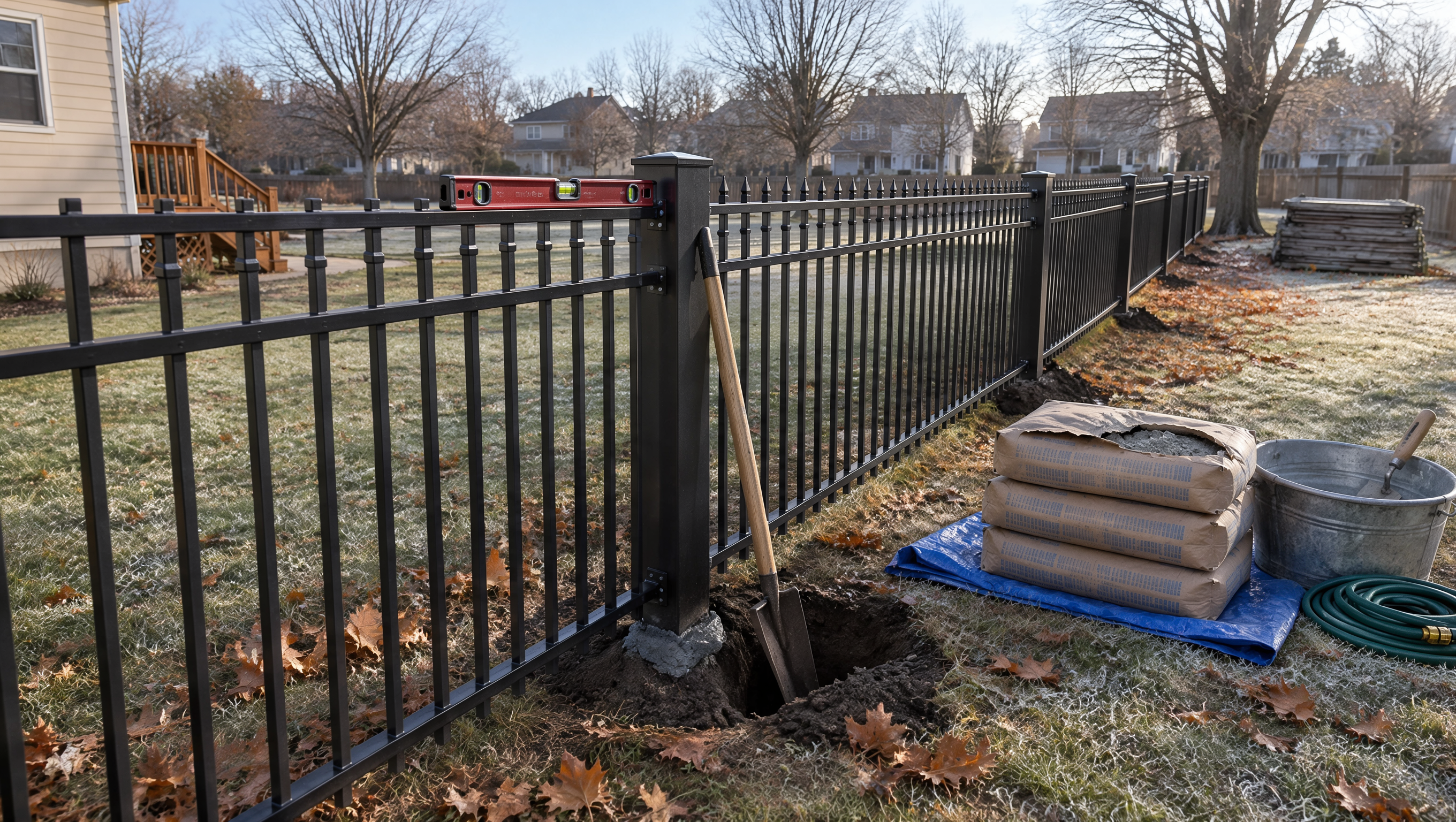
Fence replacement in Edgerton, WI, can still be practical before the ground freezes, but timing, soil conditions, drainage, removal work, gate planning, and weather all matter. Property owners should finalize the new layout before removing the old fence and allow some scheduling flexibility as winter approaches.
Why Timing Matters Before the Ground Freezes
Late fall can be a useful time to replace an older fence, especially when the current system is already leaning, damaged, or difficult to use.
But colder weather changes the planning process.
As temperatures drop, property owners may have less flexibility because of:
Wet soil
Mud
Early snow
Frozen ground
Shorter daylight hours
Freeze-thaw conditions
That does not mean fence replacement has to stop simply because it is November.
The key is whether the site and ground conditions are still workable.
Inspect the Existing Fence First
Before removing anything, walk the full fence line.
Look for:
Leaning posts
Rot
Corrosion
Loose boards
Cracked panels
Bent rails
Gate problems
Storm damage
This helps determine whether full replacement is necessary or whether some sections may still be repairable.
A good inspection can also reveal problems that should be addressed before the new fence goes in.
Know When Replacement Makes More Sense
Repair may still be practical when damage is limited.
Examples include:
One or two posts
A few boards
One bent rail
Gate hardware
Replacement may make more sense when there is:
Widespread rot
Multiple failing posts
Extensive corrosion
Large leaning sections
Repeated gate problems
If repairs keep returning in several areas, replacing the system may be more practical long term.
Finalize the New Layout Before Removal
Do not remove the old fence before the new plan is ready.
Confirm:
Fence location
Corners
Gate positions
Gate widths
Privacy areas
Vehicle access
A replacement project is a good opportunity to improve the layout rather than automatically copying the old one.
Confirm Property Lines
An old fence should not automatically be treated as the exact property boundary.
Before replacement, review available property information and resolve any uncertainty.
Do not rely only on:
Old fence posts
Hedges
Mowing lines
Landscaping edges
It is easier to correct the layout before new posts are installed.
Review Applicable Requirements
Depending on the project, requirements may affect:
Fence height
Placement
Setbacks
Visibility
Pool enclosures
These details should be reviewed before removal and installation begin.
Late-season projects have less room for redesigns once work is underway.
Choose the Replacement Material Early
Material choice affects cost, appearance, privacy, maintenance, and installation planning.
Wood
Wood can provide strong privacy and a traditional appearance.
It works well around:
Backyards
Patios
Side yards
It generally requires more long-term maintenance than some other materials.
Vinyl
Vinyl offers privacy with relatively low routine surface maintenance.
Solid panels can catch more wind, so exposed areas should be planned carefully.
Chain Link
Chain link can be practical for:
Pets
Larger yards
Commercial perimeters
Utility areas
It provides visibility and airflow.
Aluminum or Ornamental Fencing
These materials can work well where appearance and visibility are priorities.
They may be used around front yards, pools, and commercial entrances.
Consider Ground Conditions Before Scheduling
The calendar alone does not determine whether installation can move forward.
Actual site conditions matter more.
The ground may be difficult to work with if it is:
Saturated
Muddy
Frozen
Covered by snow
A late-fall project should be scheduled with some flexibility.
Conditions can change quickly in Edgerton as winter approaches.
Watch for Freeze-Thaw Conditions
Repeated freezing and thawing can affect wet soil.
Before replacement, look for:
Soft ground
Standing water
Erosion
Raised soil
Sunken areas
These conditions may influence post placement and long-term stability.
A new fence should not be installed without considering obvious drainage problems.
Review Drainage Before New Posts Go In
If the old fence failed in a wet area, water may have contributed.
Check for:
Downspout runoff
Low spots
Mud
Water moving along the fence line
Replacing posts in the same area without considering drainage may lead to similar problems later.
Site preparation should address both the fence and surrounding ground.
Plan Old Fence Removal Carefully
Removing an old fence can involve more work than expected.
The project may include:
Boards
Panels
Rails
Chain link fabric
Posts
Concrete
Gates
Old concrete footings can add labor, especially when new posts will be installed nearby.
Ask whether removal and disposal are included in the estimate.
Do Not Remove the Fence Too Early
The existing fence may still provide:
Privacy
Pet containment
Pool separation
Commercial security
If the property depends on those functions, removal should be coordinated closely with the new installation.
Leaving the property open for longer than necessary can create avoidable problems.
Plan Temporary Containment if Needed
Temporary fencing may be useful during replacement.
This can help with:
Pets
Equipment
Restricted areas
Commercial security
Property owners should decide whether temporary protection is necessary before the old fence comes down.
Reconsider Gate Locations
Replacement is a good time to ask whether the old gate locations still make sense.
Think about access to:
Driveways
Garages
Side yards
Patios
Gardens
Commercial service areas
A gate that was inconvenient for years does not need to be recreated in the same location.
Choose Gate Width Carefully
Gate width should match how the property is used.
Consider access for:
Riding mowers
Trailers
Utility carts
Landscaping equipment
Commercial vehicles
Planning the correct width now can help avoid expensive modifications later.
Check Winter Gate Clearance
A gate installed in late fall must also work after snow arrives.
Plan enough clearance for:
Snow buildup
Ice
Frost movement
Gravel shifting
A gate that barely clears the ground during installation may begin dragging later.
Plan Snow Storage Before the New Fence Goes In
Think about where snow normally goes.
Avoid installing important gates or vulnerable fence sections directly in regular snow storage areas.
Heavy piles may place pressure on:
Panels
Chain link
Posts
Gates
A winter-friendly layout can reduce future maintenance.
Clear the Fence Line Before Replacement
Remove or move:
Leaves
Brush
Vines
Outdoor furniture
Stored materials
Yard equipment
A clear work area makes it easier to see:
Uneven ground
Roots
Old concrete
Drainage problems
It can also make removal and installation more efficient.
Review Trees and Roots
Trees near the old fence may affect the replacement layout.
Look for:
Large roots
Trunks close to posts
Low branches
Growth into the fence line
A slight layout change may be better than forcing the new fence into the exact same space.
Consider Wind Exposure
If the replacement includes solid wood or vinyl fencing, review how exposed the property is.
Long solid runs near open areas may receive more wind pressure.
Post support and layout should be planned accordingly.
Replacing an old fence is a good time to improve how the system handles wind.
Plan Around Driveways and Traffic
Fence replacement near a driveway may affect:
Parking
Turning space
Trailer access
Snow removal
Commercial properties may also need to account for:
Delivery trucks
Service vehicles
Loading zones
Make sure the replacement layout supports normal traffic before posts are set.
Commercial Properties May Need Phased Work
Businesses may not be able to leave the full perimeter open during replacement.
A phased approach may help maintain:
Security
Vehicle access
Employee movement
Deliveries
Temporary fencing may also be useful around sensitive areas.
Planning this before removal can reduce disruption.
Compare Estimates by Full Scope
When reviewing replacement estimates, compare more than the final price.
Make sure each proposal clearly addresses:
New material
Height
Footage
Gates
Old fence removal
Disposal
Site preparation
Cleanup
If the scope is different, the totals are not directly comparable.
Expect Some Scheduling Flexibility
Late-fall replacement projects may be affected by changing weather.
Possible delays can come from:
Heavy rain
Mud
Snow
Frozen ground
A realistic schedule should allow for those conditions rather than assuming the project will move exactly like a summer installation.
Use a Pre-Replacement Checklist
Before removing the old fence, confirm that:
Property lines are understood
The new layout is finalized
Material is selected
Gates are planned
Drainage is reviewed
Snow storage is considered
Temporary containment is arranged
Old fence removal is included
The site is clear
Applicable requirements are reviewed
This helps keep the replacement organized as colder weather approaches.
Replace the Fence With Winter in Mind
Fence replacement before the ground freezes can still be practical when the property is prepared and conditions are suitable.
For Edgerton property owners, the best approach is to plan the new layout, review drainage, coordinate removal, finalize gates, and allow flexibility for changing weather before winter fully sets in.
Dach Fence provides residential and commercial fence replacement, repair, installation, gates, wood fencing, vinyl fencing, chain link fencing, aluminum or ornamental fencing, temporary fencing, and access control when relevant.
If you are planning fence replacement in Edgerton, WI, contact Dach Fence for a free estimate and help preparing the project before winter conditions become more difficult.
