
Fence Repair Services in Southern Wisconsin
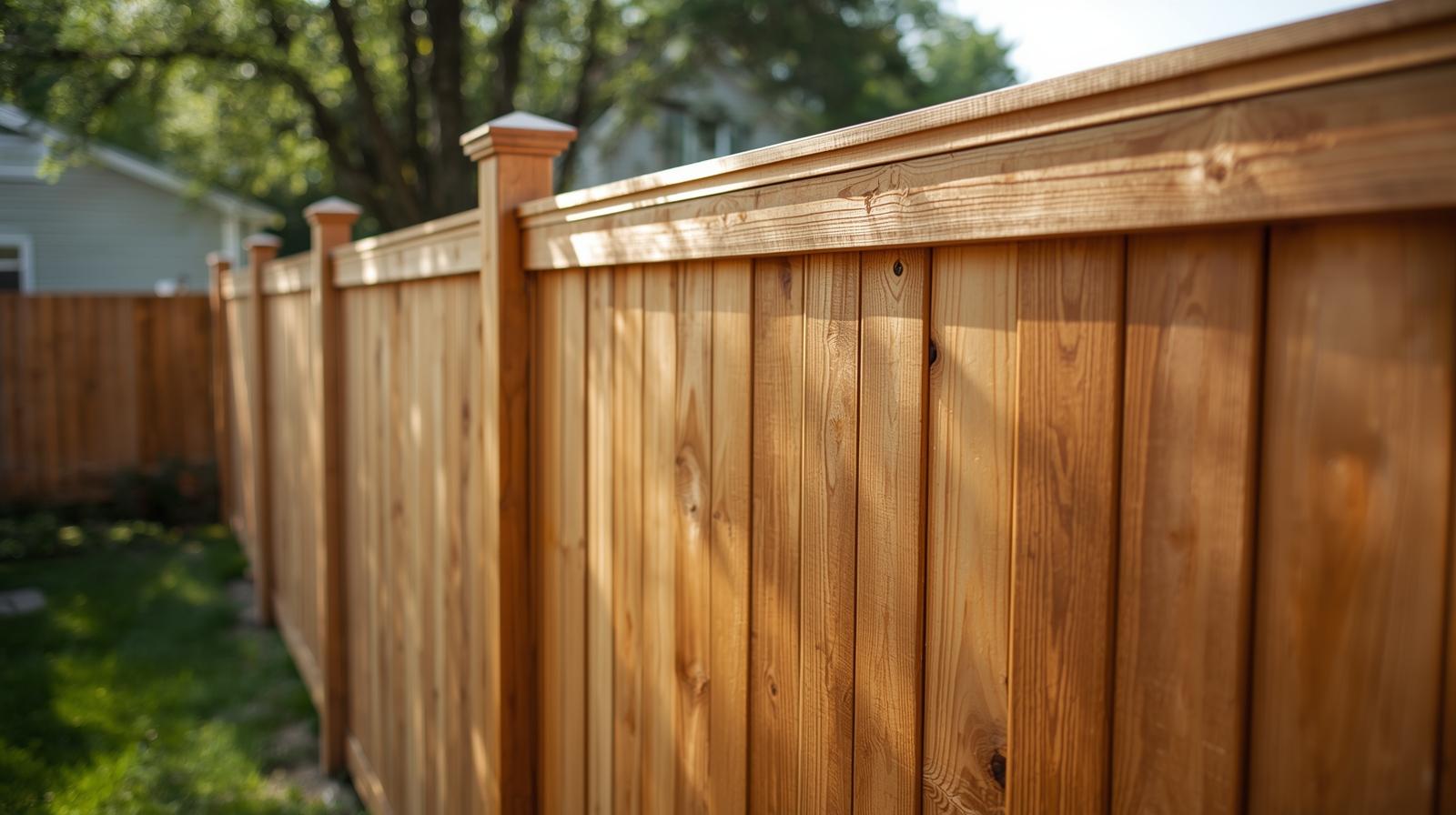
With the heavy snow finally melted, you might be noticing your fence didn’t fare so well. Is a section leaning, or is your gate a nightmare to close? You’re not alone. This is the time of year when damage from our tough Wisconsin weather becomes impossible to ignore.
A leaning post isn’t just bad luck; it's a direct result of a specific local cause. When wet ground freezes and thaws, it pushes posts upward in a process known as frost heave. This is why common fence problems often require more than a hammer and nails to be truly solved.
This guide will help you distinguish between a cosmetic issue and a structural problem, understand the root causes of fence damage, and decide on your next steps.
Is Your Fence Showing These 3 Telltale Signs of Winter Damage?
The most obvious sign of a rough Wisconsin winter is a post that’s suddenly leaning. This is almost always caused by frost heave—a powerful process where frozen, wet soil expands and shoves the post right out of the ground. Effective leaning wood fence post solutions must address this underground force, not just the visible tilt.
That sagging gate that refuses to latch properly is another telltale sign. The problem isn't the gate itself, but the post it hangs on, which has likely been shifted by frost or is starting to rot at the base. Knowing how to fix a sagging chain link fence gate for good means stabilizing the post first.
Finally, look for new cracks in the fence panels. Winter’s freeze-thaw cycles cause moisture in wood to expand and split, while making vinyl brittle and prone to shattering. A quick vinyl fence panel replacement in Kenosha is a common spring job that restores your privacy and curb appeal.
Why Fences Fail in Wisconsin: A Closer Look at Frost Heave and Rot
You might wonder why your post is leaning when it was straight last fall. The culprit is almost always our powerful winter freeze. In Southern Wisconsin, the ground can freeze over three feet deep—a depth known as the frost line. If a post isn't set below this line, the expanding, frozen soil acts like a car jack, pushing it upward. A true Wisconsin fence frost heave repair must get deep enough to anchor the post in stable ground.
Beyond the winter freeze, there’s a sneakier problem: post rot. This damage happens right at ground level, where constant moisture from rain, soil, and melting snow creates the perfect environment for wood to decay. A post can look fine from a few feet away while being dangerously weak at its base. This is why using the best fence materials for Wisconsin weather, like pressure-treated wood for in-ground posts, is essential.
Professional repairs tackle both root causes. The only reliable solution involves replacing the failed post by digging below the frost line and securing a loose fence post in concrete to create an immovable anchor. This is a great fix for one or two problem spots, but what do you do when the damage is more widespread?
Repair or Replace? How to Make the Right Financial Decision
Deciding whether to patch up your fence or start over can be tough, but a simple rule of thumb can help. We call it the "25% Rule": if more than a quarter of your fence is showing signs of failure—like multiple leaning sections or widespread rot—a full replacement is often the more cost-effective choice. For one or two problem areas, however, a professional repair is an excellent and affordable solution.
Of course, numbers don't tell the whole story. A single failed post from something like repairing a fence damaged by a fallen tree can create a domino effect, pulling down otherwise healthy sections. Addressing that one weak spot now can prevent a bigger, more expensive problem next year. The cost to replace a fence section vs repair is almost always lower, and it can be the key to preserving the other 75% of your fence.
Finally, think about curb appeal. A brand-new section will look different from wood that has weathered for years. While a skilled professional will try to match materials, an exact blend isn't always possible. A trustworthy contractor will walk you through these trade-offs, helping you decide if a targeted repair or a full fence installation in Wisconsin is the right path for your home and budget.
What Does Fence Repair Cost in Wisconsin? A Guide to Common Fixes
When considering fence repair costs in Wisconsin, know that the price is tied directly to the damage. Replacing a few broken boards or a panel is a relatively minor expense. The most significant cost driver is almost always post replacement. This labor-intensive job involves digging out the old post and setting a new one deep in concrete to withstand our harsh winters, which naturally requires more time and material.
The DIY vs professional fence repair cost can also be deceiving. After factoring in tool rentals, bags of concrete, and sourcing the right materials, your savings often shrink. More importantly, an improper fix that can't handle a winter freeze means you’ll likely pay to solve the same problem twice. A professional repair is an investment in a solution designed to last.
A trustworthy quote will separate labor from materials for full transparency. Keep in mind that urgent work, such as an emergency storm damage fence repair in the Milwaukee area after high winds, may be priced differently.
How to Choose a Fence Contractor in Southern Wisconsin (And Avoid Mistakes)
Finding the right professional is just as important as the repair itself. When vetting local fence contractors near Janesville WI or anywhere in our area, asking a few key questions can save you from future headaches. A reputable company will be happy to answer:
How deep will you set new posts? (The only right answer is below the frost line.)
Are you fully insured, and can you provide proof?
Will I receive a detailed, written estimate?
That proof of insurance is non-negotiable—it protects you from liability for any accidents on your property. Likewise, a detailed estimate that separates labor from materials shows transparency. While most standard repairs don't require a permit, your contractor should know the local rules. These steps ensure you hire a pro who provides lasting results.
Your Next Steps for a Strong, Secure Fence This Season
Now that you can identify the signs of winter damage and apply the 25% rule, you're better equipped to decide if a repair is the right move. The final step is to contact a professional for lasting fence repair services in Southern Wisconsin. This ensures the root cause is fixed correctly for our climate, not just patched for a season, so you can enjoy the peace of mind that comes from a secure and stable fence.
