
Fence Repair Near Me in Brodhead, WI: What to Fix Before Winter
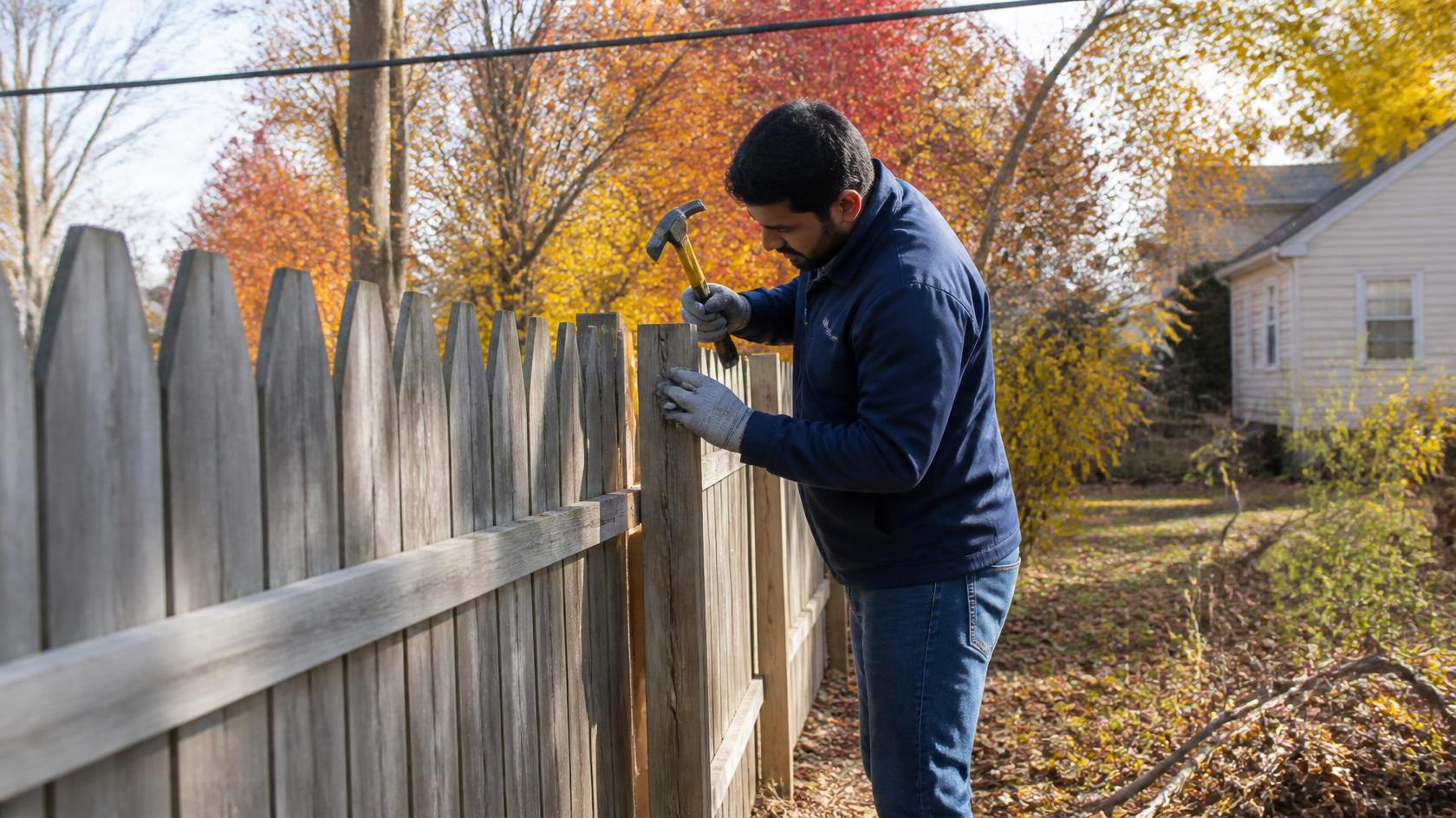
Fall is the best time to catch fence problems before snow, ice, frozen ground, and winter storms make them worse. Brodhead property owners should check posts, panels, rails, gates, hardware, drainage, and storm damage so needed repairs can be handled before colder weather arrives.
Why Fence Repairs Matter Before Winter
A fence may still look functional even when small problems are starting to develop.
Loose posts, cracked boards, bent rails, sagging gates, and damaged hardware can become more noticeable once winter weather arrives.
In Brodhead, WI, fences may be exposed to:
Snow
Ice
Strong wind
Heavy rain
Freeze-thaw cycles
Storm debris
Snow removal equipment
These conditions can add stress to weak sections and make repairs more difficult once the ground freezes.
Fall gives homeowners, business owners, and property managers a practical window to inspect the fence and address problems early.
Start With a Full Fence Inspection
Walk the entire fence line and look at more than just the obvious damaged areas.
A good inspection should include:
Fence posts
Panels or boards
Rails
Gates
Hinges
Latches
Fasteners
Chain link fabric
Decorative sections
Areas near driveways or parking lots
Look for movement, leaning, cracking, rust, gaps, loose connections, and sections that appear different from the rest of the fence.
Some problems are easier to notice when you gently push on the fence or operate each gate.
Repair Loose or Leaning Fence Posts
Posts are one of the most important parts of a fence because they support the rest of the system.
A leaning or unstable post may eventually affect nearby panels, rails, or gates.
Common causes include:
Soil movement
Poor drainage
Rot
Storm damage
Vehicle impact
Freeze-thaw cycles
Long-term wear
A post that moves when pushed should not be ignored.
Winter can make the problem worse because wet soil may freeze, expand, and thaw repeatedly.
If several posts are shifting, the issue may involve drainage or ground conditions rather than only the fence itself.
Fix Loose or Damaged Boards
Wood fences should be checked carefully for loose, cracked, warped, or missing boards.
A single loose board may seem minor, but strong winter wind can pull it farther away from the rails.
Damaged boards can also create:
Privacy gaps
Pet containment issues
Uneven appearance
Exposed nails or screws
If several boards in one section are loose, check the rails behind them.
The underlying support may be the real source of the problem.
Check Fence Rails
Rails connect posts and support fence panels or boards.
A damaged rail can weaken an entire section.
Signs of rail problems include:
Cracks
Sagging
Loose connections
Panels moving when pushed
Rails separating from posts
Rail damage may not always be obvious from the front of the fence.
If a section feels unstable, it is worth checking the structure behind the boards.
Repairing a damaged rail before winter can help keep the problem from spreading.
Repair Sagging or Sticking Gates
Gates usually receive more daily wear than other parts of the fence.
A gate may need repair if it:
Sags
Drags on the ground
Sticks
Does not latch
Feels loose
Has bent hinges
Requires lifting to close
Cold weather can make these problems worse.
Snow buildup may reduce ground clearance, while shifting posts can throw the gate farther out of alignment.
A gate that is difficult to use in fall may become even more frustrating once winter arrives.
Inspect Hinges, Latches and Hardware
Small hardware problems can affect the entire gate or fence section.
Check for:
Loose screws
Missing bolts
Rust
Bent hinges
Damaged latches
Worn fasteners
Loose brackets
Hardware exposed to rain, snow, salt, and temperature changes may wear over time.
Replacing or tightening damaged hardware before winter is often much easier than dealing with a gate that will not close in freezing conditions.
Look for Storm Damage
Wind and storms can damage fences even when the problem is not immediately obvious.
After a strong storm, check for:
Leaning posts
Cracked boards
Bent rails
Loose panels
Fallen branches
Damaged gates
Pulled fasteners
Privacy fences can experience more wind pressure because solid panels do not allow much airflow.
Chain link and ornamental fencing may handle wind differently, but they can still suffer impact damage from branches or debris.
Fall storm damage should be repaired before snow hides the affected area.
Check for Rot and Moisture Damage
Wood fencing should be inspected for signs of moisture-related deterioration.
Look for wood that appears:
Soft
Darkened
Crumbling
Split
Swollen
Weak near the ground
The bottom of posts and boards deserves extra attention because those areas stay closer to wet soil and debris.
Leaves can also hold moisture against the fence.
Clearing leaf buildup around the base of the fence helps improve airflow and makes damage easier to see.
Inspect Chain Link Fence Problems
Chain link fences also benefit from fall inspection.
Common repair issues include:
Loose mesh
Bent top rails
Damaged ties
Leaning posts
Bent gate frames
Rusted hardware
Gaps near the bottom
Commercial properties should pay particular attention to fencing near parking lots, loading areas, service roads, and equipment zones.
Winter snowbanks and plowing can make fence edges harder to see, increasing the risk of vehicle impact.
Check Vinyl Fence Panels and Posts
Vinyl fencing generally requires less routine maintenance than wood, but it should still be inspected before winter.
Check for:
Cracked panels
Loose sections
Damaged posts
Gate problems
Movement after storms
Gaps or shifting
Solid vinyl panels catch more wind than open fencing.
If a post is already unstable, winter wind may place additional stress on that section.
Repairing loose components before cold weather can help protect the surrounding fence.
Review Aluminum or Ornamental Fencing
Aluminum and ornamental fences should be checked for structural and hardware issues.
Look for:
Loose sections
Bent pickets
Damaged rails
Gate misalignment
Loose fasteners
Impact damage
These fences are often installed near front yards, pools, entrances, or landscaped areas, so gate operation and alignment are especially important.
Address Drainage Around the Fence
Fence repair is not always only about the fence.
Drainage problems can contribute to shifting posts and unstable sections.
Inspect the ground for:
Standing water
Erosion
Low spots
Downspout runoff
Soil washing away
Water collecting around posts
When wet ground freezes and thaws, it can move.
Fixing a post without addressing the water around it may only provide a temporary solution.
Fall is a good time to identify these issues before the ground becomes frozen.
Trim Vegetation Before Winter
Trees, shrubs, vines, and weeds can affect a fence if they grow directly against it.
Trim vegetation that:
Pushes against panels
Grows through chain link
Blocks gates
Hangs over the fence
Hides damaged sections
Branches carrying snow or ice may break and fall onto the fence.
Removing weak or overhanging growth can reduce that risk.
Check Areas Near Snow Removal Routes
For both residential and commercial properties, winter snow removal can create fence damage.
Fences near driveways, parking lots, or service areas should be inspected before snow season.
Plows and snowblowers can damage:
Posts
Gates
Panels
Corners
Decorative sections
Heavy snow piles can also place pressure on fencing.
Planning where snow will be stored can help prevent unnecessary winter damage.
Decide Whether Repair or Replacement Makes More Sense
Not every fence problem requires full replacement.
Repair may be the better choice when damage is limited to:
A few boards
One or two posts
A damaged rail
Gate hardware
Small storm-damaged areas
Replacement may make more sense when the fence has:
Widespread rot
Repeated post failure
Severe storm damage
Extensive corrosion
Multiple failing sections
Repeated repair problems
A professional inspection can help determine whether targeted repair or broader replacement is the better long-term option.
Prioritize Safety and Security Issues
Some repairs should be handled sooner than others.
Higher-priority issues include:
Gates that will not latch
Fence sections leaning into walkways
Sharp or exposed hardware
Large gaps
Pool enclosure damage
Commercial security gaps
Loose sections near public areas
For businesses and property managers, fence damage may also affect access control or perimeter security.
For homeowners, it may affect pets, children, privacy, or backyard access.
Schedule Repairs Before Winter Conditions Set In
Once snow arrives and the ground freezes, some fence repairs become harder to complete.
That is why fall is a practical time for Brodhead property owners to address damage while the site remains easier to access.
A small repair now may prevent a larger problem later.
Dach Fence provides residential and commercial fence repair, replacement, gate repair, wood fencing, vinyl fencing, chain link fencing, aluminum or ornamental fencing, and other fencing services throughout Illinois and Wisconsin.
If you are searching for fence repair near you in Brodhead, WI, contact Dach Fence for a free estimate and help fixing problem areas before winter.
