
Fence Repair in Beloit, WI: When to Repair vs Replace
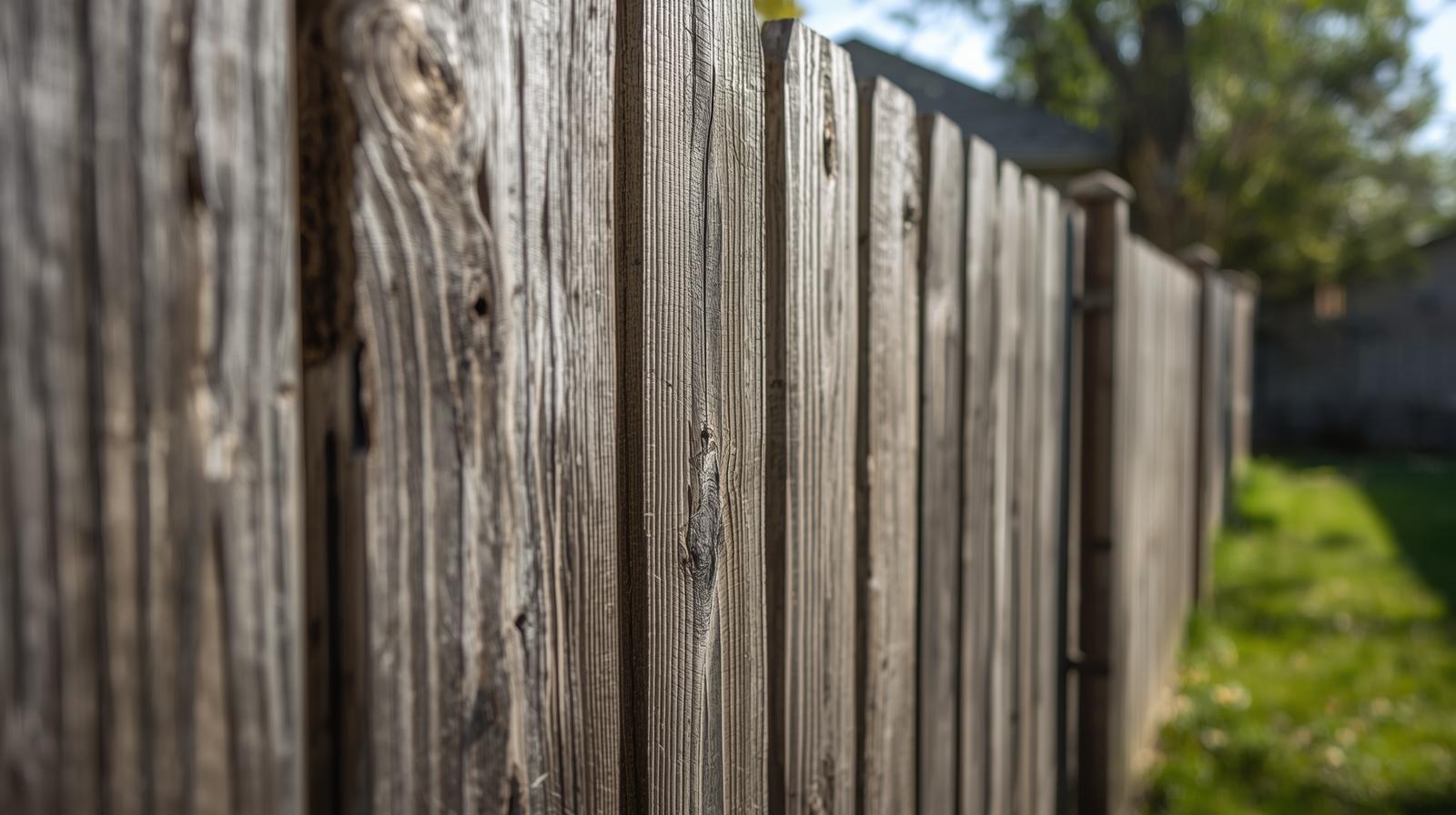
After a brutal Stateline winter, glancing at your backyard often reveals leaning posts or missing pickets. That damage forces every homeowner to face the heavy choice between a quick patch or a total overhaul. In Beloit, where wind gusts and deep frost lines wreak havoc on wood and vinyl, distinguishing between a simple cosmetic fix and a structural failure is essential for your wallet.
Think of your fence structure like your family vehicle. Swapping out a few warped boards is like changing a flat tire—routine maintenance that keeps things moving. However, ignoring a rotted base is comparable to driving on a failing transmission; eventually, the ongoing expense outweighs the value of the asset. Making this distinction early prevents you from throwing good money after bad.
Contractors often use the "20% Rule" to solve this dilemma. This guideline suggests that once damage exceeds one-fifth of the total structure, the cost of fence repair vs replacement math favors a new installation. Applying this standard helps you navigate these decisions, ensuring your home stays secure without wasting budget on a lost cause.
Identifying the 'Invisible' Culprit: Does Your Fence Pass the 3-Step Structural Integrity Test?
A leaning fence often tells a story about what’s happening four feet underground. In Southern Wisconsin, our heavy clay soil holds moisture, which expands significantly when temperatures drop. This phenomenon, known as frost heave, occurs when freezing ground forces your concrete footings upward, effectively shoving the post out of its stable position. If your fence wasn’t buried below our local 42-inch frost line, even a sturdy new post can lose its footing after a single harsh winter.
Before you grab a shovel to attempt a repair, you need to confirm the structural integrity of residential fencing on your property. Structural rot is different from surface weathering; one is an eyesore, the other is a safety risk. Use this diagnostic trio to decide your next move:
The Shake Test: Grip the post firmly and give it a shake. If it wiggles at the ground level while the soil stays still, the wood has likely rotted through where you can't see it.
The Probe Test: Push a screwdriver into the wood just below the soil line. If it sinks in easily like a sponge, the post is internally compromised.
The Plumb Test: Place a level against the side. A slight lean might be adjustable, but a significant shift usually suggests the footer has failed completely.
Fixing a leaning fence post starts with knowing if the wood is actually salvageable. If your screwdriver hit solid wood during the probe test, you might be lucky enough to only have a cosmetic issue.
Cosmetic vs. Structural Damage: When a Fresh Coat of Stain Won’t Save You
Just because your fence looks like driftwood doesn't mean it's ready for the landfill. Sunlight acts like a slow-burning fire on wood fibers, breaking down the lignin that holds them together and causing "silvering." This is purely cosmetic—like gray hair—and is often accelerated by the high humidity we get off the Rock River. Restoring weathered wood privacy fences in this condition usually just requires a thorough power wash and a quality stain to seal the grain against future moisture.
Structural failure, however, feels very different from simple aging. While surface checks (small hairline cracks) are normal in our climate, soft spots indicate that moisture has penetrated the core. Spot the difference between an ugly fence and a dying one by looking for these signs:
Cosmetic Weathering: Uniform gray color, shallow cracks, wood remains hard and sounds solid when tapped.
Structural Rot: Dark or black staining near the soil, "crumbly" texture that flakes away under a fingernail, or visible green fungal growth.
Material type plays a huge role in how this damage spreads. Signs of wood rot in cedar fences usually appear as external decay since cedar naturally resists insects, whereas pressure-treated pine may look fine on the outside while rotting internally. If you spot the "crumbly" signs of deep rot, no amount of paint will fix it, and calling local fence repair services becomes an immediate safety priority. Once you have identified the damage type, you need to decide if the fix is worth the price tag.
The '20% Rule' and Beyond: Calculating the Financial Tipping Point for Repair vs. Replace
Facing a damaged fence line brings up a tough financial question: do you patch the holes or start fresh? Most homeowners assume fixing small sections saves money, but the math often surprises them once labor enters the equation. If you are debating the cost of fence repair vs replacement, industry experts generally suggest the "20% Rule" as your best guide. This rule states that if more than one-fifth of your total fencing requires significant work, a full replacement usually offers better long-term value.
Fence repair contractors often have minimum service fees that make small, intricate repairs disproportionately expensive compared to installing fresh, pre-built panels. You are essentially paying for travel time and setup rather than the actual wood or vinyl, which ruins the economy of scale on small jobs. It is similar to buying a brand new car instead of replacing the transmission, engine, and tires individually because the labor costs eventually outweigh the asset's value.
A partial fix also creates "patchwork depreciation," where bright new lumber makes the old, gray sections look even worse by comparison. This visual mismatch hurts curb appeal, but the logic changes slightly when asking is it cheaper to patch or replace a chain link fence. Since metal meshes fade more slowly than wood, splicing in a new section of chain link is often cost-effective and visually seamless if the posts are still solid. However, mixing new cedar pickets with ten-year-old pine stringers rarely results in a clean look.
Once you have crunched the numbers and decided to save the existing structure, you need to tackle the most common structural failure first. Leaning posts are the backbone of your fence's stability, and ignoring them renders any cosmetic repairs uselessTackling the Lean: How to Fix a Leaning Fence Post Before the Next Big Wind
Strong winds sweeping across the Rock River often reveal the weakest link in your yard: the fence post. If the wood isn't rotted through at the base, the lean is likely caused by the ground shifting around the concrete footing rather than a structural break. Fixing a leaning fence post without a full excavation essentially requires resetting the foundation. Dig out the soil on the leaning side, push the post back to a vertical position, and brace it before adding reinforcement. You will need these basic tools to lock that post back into the heavy Beloit clay:
Spirit Level: To ensure the post is perfectly vertical.
Shovel: For clearing soil around the concrete footing.
Pea Gravel: Critical for drainage so water doesn't pool and freeze.
Quick-set Concrete: To fill the gap and harden the post in place.
Once the vertical posts are secure, shift your focus to the horizontal supports, known in the trade as "stringers." These rails act like the ribs of your fence, connecting the posts and holding the weight of the upright boards. A sagging section often signals that a stringer has pulled away from the post due to rusted nails or warped wood. A quick emergency fence repair usually involves driving new exterior-grade screws through the stringer into the post, or adding a metal L-bracket underneath for support if the lumber is aging.
Finally, inspect the "pickets," the vertical boards that provide your actual privacy. While a standard flat fence is easy to patch, replacing broken pickets on a shadowbox fence—where boards alternate on either side of the stringer to allow airflow—requires a bit more patience to align correctly. This alternating design helps survive wind gusts, but the lifespan of those boards depends entirely on what they are made of.
Material Lifespans in Wisconsin: Why Vinyl and Wood Age Differently in the Stateline Area
Most pressure-treated pine fences here last about 15 years before rot sets in. In contrast, the average lifespan of vinyl vs wood fencing favors the synthetic option, which often survives 25 years or more because it ignores moisture. However, true longevity depends heavily on how these materials handle the extreme temperature swings common in the Stateline area.
Deep freezes change the physical properties of your barrier. When the thermometer drops below zero during a Beloit cold snap, vinyl becomes surprisingly brittle. A stray rock thrown by a snowblower or a heavy ice drift can shatter the plastic like glass. To ensure effective Wisconsin winter fence damage prevention, avoid piling driveway snow against the panels, as the sheer weight can snap bottom rails that are rigid from the cold.
Metal offers a different trade-off. While aluminum withstands rust better than iron, falling tree limbs from summer thunderstorms can easily dent the hollow tubes. Repairing storm damaged aluminum fencing usually requires replacing entire sections since bent metal rarely bends back perfectly. Regardless of the material you choose, you must ensure any major work sits legally within your property boundaries.
Beloit-Specific Compliance: Navigating Local Permits and Property Lines
Check if the city agrees with your plans before digging that first post hole. While tightening a few loose screws is fine, the Building Division categorizes larger projects differently. You need to know when a simple weekend project becomes a permitted construction job to ensure you meet Beloit WI fence permit requirements:
Minor Repairs: Replacing less than 50% of the fence usually does not require a permit.
Major Replacements: Tearing down and rebuilding more than half the structure typically triggers a permit application.
New Installs: Always require a permit and a basic site plan sketch.
Guessing where your yard ends is a gamble that rarely pays off. Installing a fence even a few inches over the lot line can force a costly tear-down, ruining the impact of new fence on Beloit property value. Furthermore, city code generally dictates that the "good side"—the finished face without visible rails—must face outward toward your neighbors. If you are unsure about boundaries or structural integrity, using a professional fence inspection checklist can help identify these potential legal headaches before you commit to a budget.
Your Winter-Ready Action Plan: The Final Repair vs. Replace Scorecard
Stop guessing whether a leaning post is a quick fix or a sign of total failure. By using the shake test and applying the 20% rule, you now have the data to make a smart financial choice for your property. If the damage is isolated to a few gray pickets, grab your tools and save the budget. However, if you found rot below the soil line or instability across multiple sections, investing in a replacement now prevents a mid-winter collapse.
Timing is everything in the Stateline area. The best time of year for fence maintenance in Wisconsin is right now, before the frost line locks the ground solid. Run through your professional fence inspection checklist this weekend to catch issues early. Whether you handle the repairs yourself or hire a local pro for the heavy lifting, you will head into the freezing months with total peace of mind knowing your perimeter is secure.
