
Fence Project Planning in Orfordville, WI: What to Know Before Installation
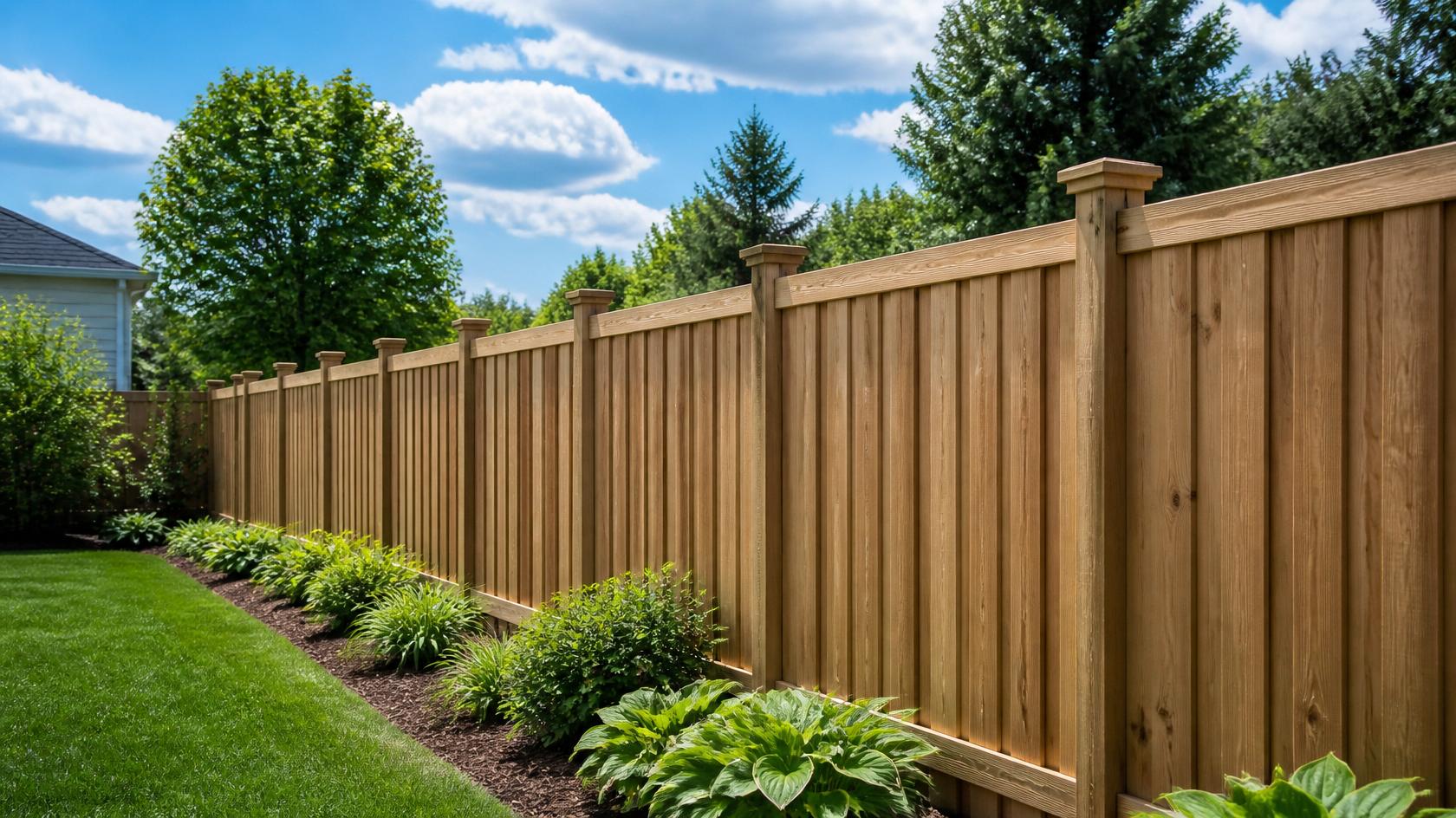
Fence project planning in Orfordville, WI should start before installation day. Property owners should review the fence purpose, layout, property lines, materials, gates, permit needs, utilities, site conditions, and long-term maintenance so the project can move more smoothly from estimate to completion.
Why Fence Planning Matters Before Installation
A fence can improve privacy, security, curb appeal, pet safety, and daily property use. But before installation begins, property owners should have a clear plan for where the fence will go, how it will be used, what material makes sense, and what access points are needed.
For Orfordville, WI homeowners and business owners, fence planning should also include permit review, property line confirmation, site access, and preparation for Wisconsin weather. A fence that is planned carefully can help avoid delays, layout changes, gate problems, or future maintenance issues.
Whether the project is a backyard privacy fence, pet fence, chain link fence, commercial security fence, pool fence, gate installation, or fence replacement, planning ahead makes the process easier.
Start with the Main Purpose of the Fence
Before choosing a material or layout, decide what the fence needs to accomplish. The purpose affects fence height, style, material, gates, and budget.
Common reasons for fence installation include:
Backyard privacy
Pet or child safety
Pool enclosure planning
Property line definition
Garden protection
Curb appeal
Commercial security
Equipment or storage protection
Dumpster enclosure screening
Gate and access control
Fence replacement after age or storm damage
A privacy fence has different planning needs than a pet fence, decorative fence, chain link boundary, or commercial security fence. Knowing the main goal helps the contractor recommend the right options.
Plan the Fence Layout
Fence layout is one of the most important parts of the project. The layout determines how much material is needed, where gates should be placed, and how the property will function after installation.
Before installation, think about:
Do you want the full yard fenced?
Are you fencing only part of the property?
Will the fence follow an existing fence line?
Will the fence connect to a house, garage, or existing structure?
Do you need privacy on one side only?
Are there areas that should remain open?
Will the fence affect mowing, pets, deliveries, or service access?
A clear layout helps make the estimate more accurate and reduces the chance of last-minute changes.
Confirm Property Lines Before Work Begins
Property lines should be reviewed before fence installation. A fence should be installed in the correct location and should not create issues with neighbors, easements, sidewalks, roads, driveways, or shared access areas.
Property owners should not assume that an old fence, tree line, landscaping border, driveway edge, or mowed area marks the true boundary. If there is uncertainty, reviewing a survey or having the property marked can help prevent disputes.
This is especially important when replacing an old fence, installing near a neighbor’s property, working near a road, or placing gates close to a driveway.
Review Permit and Local Requirements
Fence installation in Orfordville should include permit and local requirement planning before work begins. Property owners should confirm current requirements for fence location, height, material, gates, property lines, and site details.
Permit planning may involve:
Fence location
Fence height
Fence material
Gate placement
Property lines
Existing buildings
Driveways and sidewalks
Pools, patios, sheds, or decks
Easements or drainage areas
Checking permit needs early is easier than changing the fence layout after materials are ordered or installation has started.
Choose the Right Fence Material
Fence material affects privacy, appearance, maintenance, security, durability, and cost. The best option depends on how the property will be used.
Wood Fencing
Wood fencing is often chosen for privacy and a traditional appearance. It works well for backyards, side yards, patios, gardens, and areas where screening is important.
Wood can provide strong coverage, but it requires maintenance. Rain, snow, ice, humidity, sun exposure, and freeze-thaw cycles can affect boards, posts, and rails over time. Staining, sealing, and occasional repairs should be part of the long-term plan.
Vinyl Fencing
Vinyl fencing offers a clean look with lower routine maintenance than wood. It does not need painting or staining and can provide strong privacy depending on the style.
Vinyl may be a good fit for homeowners who want a neat appearance and less upkeep. Proper installation matters because solid panels can catch wind, especially in open areas.
Chain Link Fencing
Chain link fencing is practical, durable, and useful for pets, large yards, commercial properties, storage areas, equipment spaces, and functional boundaries.
It does not provide full privacy by itself, but privacy slats can be added when screening is needed. Chain link is often a strong option when visibility, security, and cost control matter.
Aluminum and Ornamental Fencing
Aluminum and ornamental fencing work well when appearance, visibility, and boundary definition matter. These fences are often used near front yards, driveways, pools, entrances, apartment properties, and commercial spaces.
They do not provide full privacy, but they create a polished look while keeping the property open and visible.
Plan Gates and Access Points Early
Gates should be planned before the fence layout is finalized. A fence may look good, but if gates are too narrow, poorly placed, or hard to operate, the property can become less convenient.
Residential gates may be needed for:
Mowing access
Pets
Trash bins
Backyard entry
Pool access
Garden access
Utility access
Service workers
Commercial gates may need to support:
Employees
Deliveries
Service vehicles
Equipment movement
Dumpster pickup
Customer or tenant access
Emergency access
Gate width, swing direction, latch type, lock needs, ground slope, and snow clearance should all be considered during planning.
Prepare the Fence Line
Preparing the fence line before installation can help the project move more smoothly. The proposed fence path should be clear enough for crews to work safely and place posts accurately.
Before installation, review the fence line for:
Brush or weeds
Tree branches
Landscaping
Rocks or debris
Old fence posts
Stored equipment
Lawn decorations
Firewood or materials
Garden edging
If there is an existing fence, discuss whether it needs to be removed before the new fence is installed. Clearing the area early can reduce delays and make installation more efficient.
Identify Utilities and Private Lines
Fence installation usually requires digging for posts. Before digging begins, underground utilities should be located. This helps reduce the risk of damaging gas, electric, water, sewer, cable, or communication lines.
Property owners should also be aware of private lines that may not be marked by public utility locating. These may include irrigation, invisible pet fence wiring, private lighting, drainage systems, or other private underground features.
Marking these areas before installation can help crews work more safely and avoid preventable damage.
Review Site Conditions
Every property is different. Site conditions can affect layout, cost, installation timing, and long-term fence performance.
Before installation, consider:
Ground slope
Drainage areas
Tree roots
Old fence posts
Concrete or pavement
Landscaping
Utility areas
Tight side yards
Soft or wet ground
Snow buildup near gates
These details should be discussed during the estimate so the fence can be planned around real property conditions.
Plan for Wisconsin Weather
Fences in Orfordville need to handle Wisconsin weather. Wind, rain, snow, ice, storm damage, freeze-thaw cycles, and seasonal wear can affect posts, panels, rails, gates, hinges, and latches.
Strong winds can stress privacy panels and wide gates. Snow and ice can build up near access points. Rain can soften soil around posts. Freeze-thaw cycles can affect alignment over time.
A durable fence should include proper post installation, strong hardware, drainage awareness, and materials suited for the property’s exposure.
Think About Long-Term Maintenance
Maintenance should be considered before choosing a fence material. Wood fences may need staining, sealing, and board repairs. Vinyl fences should be cleaned and checked for panel damage. Chain link fences should be inspected for fabric tension, bent rails, and gate alignment. Aluminum and ornamental fences should be checked for loose hardware and impact damage.
Gates usually need the most attention because they move often. Hinges, latches, locks, and posts should be checked regularly to keep gates working properly.
Planning for maintenance before installation helps property owners choose a fence that fits their long-term expectations.
Budget Factors to Consider
Fence cost depends on more than the material. A good estimate should account for the full project, including layout, gates, site conditions, permits, and long-term needs.
Common cost factors include:
Fence material
Total linear footage
Fence height
Number of gates
Gate width and hardware
Old fence removal
Property layout
Site access
Ground slope
Drainage or soil conditions
Permit or planning requirements
Privacy or security needs
Access control needs
The most accurate estimate comes from reviewing the actual property, fence goals, and layout.
Contact Dach Fence for Fence Installation in Orfordville, WI
Fence project planning in Orfordville, WI should begin before installation day. Property owners should review the fence purpose, layout, property lines, permit needs, materials, gates, utilities, site conditions, weather, budget, and long-term maintenance.
Dach Fence helps homeowners, business owners, property managers, and commercial property owners choose practical fencing solutions built for real use and Wisconsin weather. Whether you need wood fencing, vinyl fencing, chain link fencing, aluminum or ornamental fencing, pool fencing, dumpster enclosures, gates, access control, fence repair, or fence replacement, the right preparation can make the project smoother.
For fence installation in Orfordville, WI, contact Dach Fence today for a free estimate. Visit dachfence.net to get started.
