
Fence Planning Guide in Lake Geneva, WI: Privacy, Style and Security
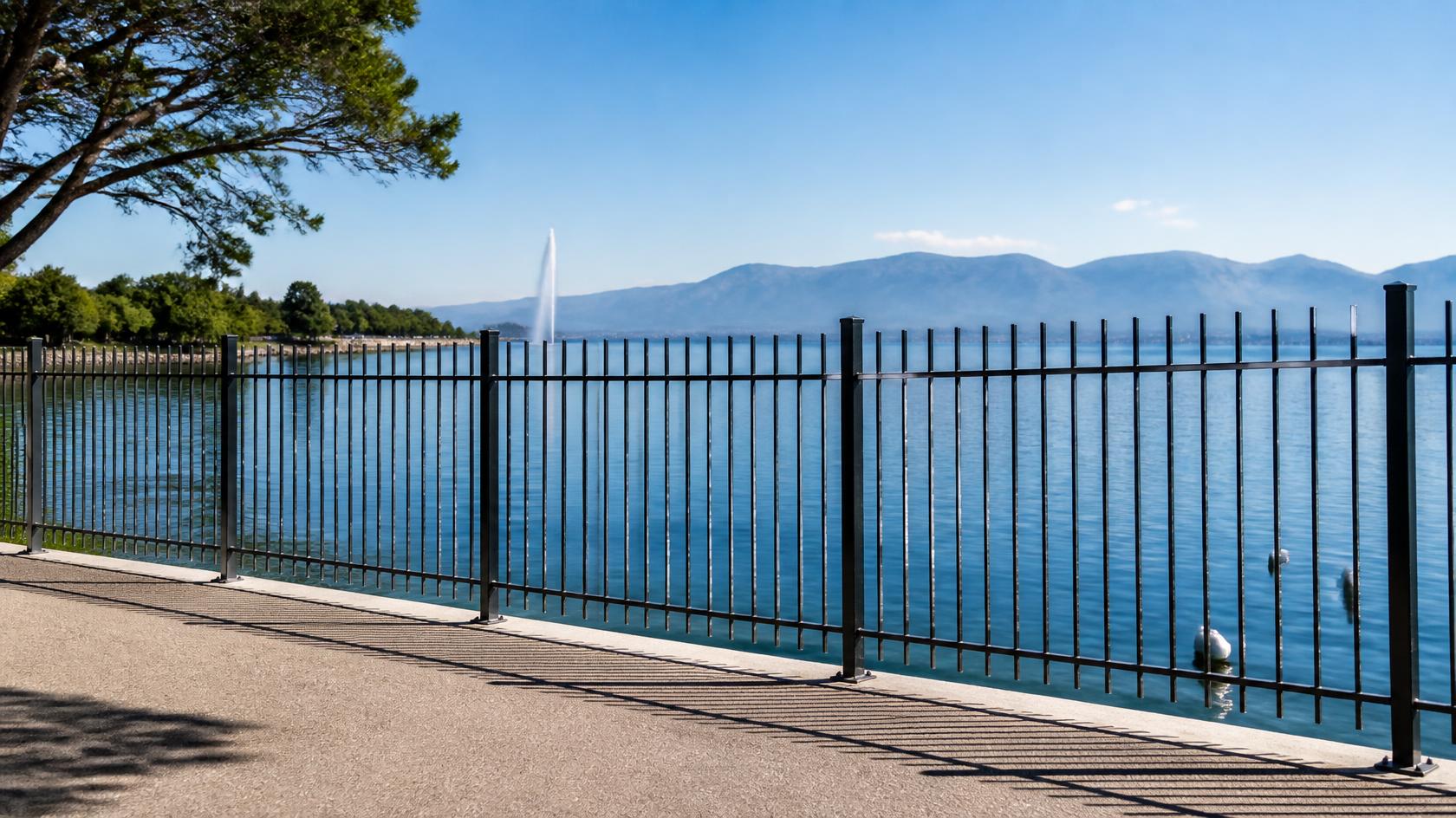
Fence planning in Lake Geneva, WI should balance privacy, appearance, and security without making the property feel closed off or difficult to use. Homeowners and businesses should choose materials carefully, plan gates around daily movement, preserve visibility near entrances, and account for drainage, terrain, maintenance, and southern Wisconsin weather.
Start With the Main Goal of the Fence
Before choosing a material or style, decide what the fence needs to accomplish.
Residential property owners may want:
More backyard privacy
Pet containment
Pool safety
A defined property boundary
Better curb appeal
Separation between outdoor spaces
Commercial property owners may focus on:
Perimeter security
Customer-facing appearance
Equipment protection
Outdoor storage
Employee access
Vehicle control
Service-area screening
The right fence should solve the property's primary needs without creating unnecessary maintenance or access problems.
Balance Privacy With the Overall Property
Privacy fencing can make an outdoor space feel more comfortable, but full screening is not always needed everywhere.
A homeowner may want solid fencing around:
Patios
Pools
Backyard seating areas
Side yards
Pet areas
Open fencing may make more sense near:
Front yards
Driveways
Landscaped areas
Scenic portions of the property
Commercial properties can use the same strategy by placing privacy fencing around service areas while keeping customer entrances more open.
This creates privacy where it matters without blocking every view.
Think About Curb Appeal From the Beginning
A fence is a visible part of the property, so appearance should be considered alongside function.
Look at:
Home or building style
Exterior colors
Landscaping
Driveways
Walkways
Existing outdoor features
A fence that complements these elements can feel like part of the property rather than an addition placed around it.
For highly visible areas, consistent post spacing, clean gate placement, and appropriate material choices can make a noticeable difference.
Wood Fencing for Privacy and Natural Style
Wood is a popular choice for homeowners who want strong privacy and a traditional appearance.
It works well around:
Backyards
Patios
Pools
Outdoor living spaces
Pet areas
Commercial screening zones
Benefits include:
Strong visual privacy
Flexible design
Multiple height options
Natural appearance
Wood can fit especially well with landscaped or wooded properties.
However, it generally requires more maintenance than some other materials.
Moisture, sunlight, snow, and changing temperatures may contribute to fading, cracking, warping, or loose boards.
Periodic staining or sealing can help protect the fence.
Vinyl Fencing for Clean Privacy
Vinyl can provide solid screening with relatively low routine maintenance.
It may work well around:
Residential backyards
Pools
Patios
Side yards
Commercial service areas
Benefits include:
Resistance to rot
No painting or staining
Easy cleaning
Consistent appearance
Strong visual screening
Because vinyl privacy panels are solid, they receive more wind pressure than open fencing.
Proper post support and secure installation are important, especially in exposed areas.
Chain Link for Practical Security
Chain link can be a useful option when security, containment, and visibility are more important than full privacy.
It works well around:
Pet areas
Larger yards
Equipment storage
Commercial properties
Utility areas
Vehicle storage
Benefits include:
Open sightlines
Lower wind resistance
Practical coverage for longer runs
Compatibility with wide gates
Relatively limited maintenance
Coated chain link can provide a more finished appearance while maintaining the same general function.
Privacy slats can also be added to selected areas if screening is needed.
Aluminum and Ornamental Fencing for Style
Aluminum and ornamental fencing can provide a defined boundary without blocking views.
These materials may work well around:
Front yards
Driveways
Pools
Landscaped areas
Offices
Customer-facing commercial properties
Benefits include:
Open visibility
Strong curb appeal
Decorative gate options
Relatively low routine maintenance
This style can be particularly useful where appearance matters but full privacy is unnecessary.
Consider Using More Than One Fence Material
One type of fence does not need to surround the entire property.
A Lake Geneva homeowner might use:
Vinyl around a private backyard
Ornamental fencing near the front
Chain link around a pet area
A commercial property might use:
Ornamental fencing near customers
Chain link around equipment
Privacy fencing around dumpsters or utilities
Using different materials by area can balance privacy, appearance, security, and project cost more effectively.
Plan Gates Around Daily Life
Gate placement should reflect how people actually use the property.
Residential gates may need to connect:
Driveway and backyard
Garage and side yard
Patio and lawn
Yard and storage area
Think about access for:
Lawn mowers
Garbage containers
Bicycles
Outdoor furniture
Utility trailers
Landscaping equipment
A well-placed gate can make everyday use much easier.
Plan Commercial Gates Around Traffic Flow
Businesses should review how vehicles and people enter and move through the site.
Gate access may be needed for:
Employees
Customers
Delivery trucks
Work trailers
Maintenance vehicles
Waste collection
Snowplows
Emergency vehicles
Gate locations should work naturally with driveways, parking, loading areas, and storage zones.
A poorly positioned entrance can create unnecessary congestion or difficult turns.
Choose Gate Width Carefully
Gate width should be based on what will actually pass through the opening.
Residential owners may need space for riding mowers or utility trailers.
Commercial properties may need room for trucks, larger trailers, or maintenance equipment.
Also consider:
Turning radius
Approach angle
Nearby curbs
Buildings
Landscaping
Parking spaces
A gate may appear wide enough but still be inconvenient if vehicles cannot approach it comfortably.
Consider Controlled Access for Businesses
Some commercial properties may benefit from controlled gate entry.
Options may include:
Keypads
Card readers
Remote controls
Intercom systems
Automatic gate operators
Employee credentials
Planning should also include power, backup operation, manual release, emergency access, and winter reliability.
These features are easier to integrate during the original fence project than to add later.
Preserve Visibility Near Driveways
Privacy and security should not create dangerous blind spots.
Review sightlines around:
Driveways
Parking exits
Sidewalks
Shared entrances
Road-facing corners
Open ornamental or chain link fencing may be a better choice near active vehicle areas.
Solid wood or vinyl fencing can begin farther into the property where privacy is more important.
Plan Fencing Around Pools and Outdoor Living Areas
Pool and entertainment areas require careful planning.
Consider:
Gate location
Visibility
Privacy
Access from the house
Landscaping
Outdoor furniture
Maintenance routes
The fence should make the space secure without making movement awkward.
Applicable pool-barrier requirements should also be reviewed before construction begins.
Confirm Property Boundaries
Before installing permanent fencing, make sure the proposed location is based on reliable property information.
Do not automatically assume that an existing fence, hedge, landscaping edge, or mowing line marks the legal boundary.
Before construction:
Review an available survey
Locate known property markers
Resolve unclear boundaries
Check easements
Identify shared access
Review public rights-of-way
Accurate placement can help avoid disputes or costly fence relocation later.
Locate Underground Utilities
Fence posts require digging, so underground utilities should be identified before installation.
Possible underground services include:
Electric lines
Gas service
Water lines
Sewer lines
Communication cables
Property owners should also identify private systems such as irrigation, landscape lighting, drainage pipes, or electrical service to detached structures when possible.
Utility locations may affect post placement or portions of the fence route.
Plan Around Slopes and Terrain
Lake Geneva properties may have changing grades or uneven ground.
The planned fence line may cross:
Slopes
Low areas
Drainage channels
Tree roots
Uneven lawns
Soft soil
Chain link can often follow grade changes effectively.
Wood and vinyl panel systems may require stepped sections or other adjustments.
Gates generally work best when installed on stable, reasonably level ground.
Review Drainage Before Installation
Water movement can affect both fence stability and gate operation.
Look for:
Standing water
Roof runoff
Downspout discharge
Drainage channels
Erosion
Soft soil
Snowmelt routes
A fence should not unnecessarily interfere with established drainage.
Standing water near gates may also freeze during winter and make them difficult to operate.
Prepare for Lake Geneva Weather
Southern Wisconsin fences must perform through major seasonal changes.
Common conditions include:
Strong winds
Severe thunderstorms
Heavy rain
Snow
Ice
Freeze-thaw cycles
Seasonal soil movement
Solid wood and vinyl fencing receives more wind pressure than open chain link or ornamental fencing.
Proper post support, footing installation, spacing, and gate reinforcement can help improve long-term stability.
Plan for Winter Snow
Fence layout should consider where snow will be placed during winter.
Avoid repeatedly pushing heavy snow against:
Fence panels
Chain link mesh
Posts
Gates
Commercial properties should also plan snow storage around parking areas, entrances, and loading zones.
Automatic or sliding gates need enough space to remain functional throughout winter.
Choose Maintenance That Fits the Property
The best material is one that owners are comfortable maintaining.
Wood may require staining, sealing, board replacement, and occasional gate adjustments.
Vinyl generally needs cleaning and inspections for cracked panels or shifted posts.
Chain link should be checked for bent mesh, loose ties, coating wear, and gate alignment.
Aluminum and ornamental fencing usually need less routine maintenance but should still be inspected for loose hardware or impact damage.
Think About Future Property Changes
A fence may remain in place long after other parts of the property change.
Future projects may include:
A new shed
Pool installation
Patio expansion
Additional landscaping
Larger equipment
More parking
Outdoor commercial storage
Building expansion
Planning adequate gate width and access routes now can reduce future modifications.
Review Applicable Requirements
Fence requirements may depend on property location, height, use, and placement.
Before construction, review applicable considerations involving:
Setbacks
Fence height
Driveway visibility
Pool barriers
Utility access
Public rights-of-way
Gate placement
Commercial property use
Checking these details early can help prevent delays or redesign work.
Plan Your Lake Geneva Fence With Dach Fence
Fence planning in Lake Geneva should balance privacy, style, security, daily access, weather exposure, and long-term property needs.
Dach Fence installs residential and commercial wood, vinyl, chain link, aluminum, ornamental, temporary, and security fencing. The team also provides fence repair, replacement, pool enclosures, dumpster enclosures, vehicle and pedestrian gates, and access-control solutions.
Contact Dach Fence for a free estimate and practical recommendations for planning a fence that fits your Lake Geneva, WI property.
