
Fence Permit Requirements in Milton, WI: Property Line & Permit Tips
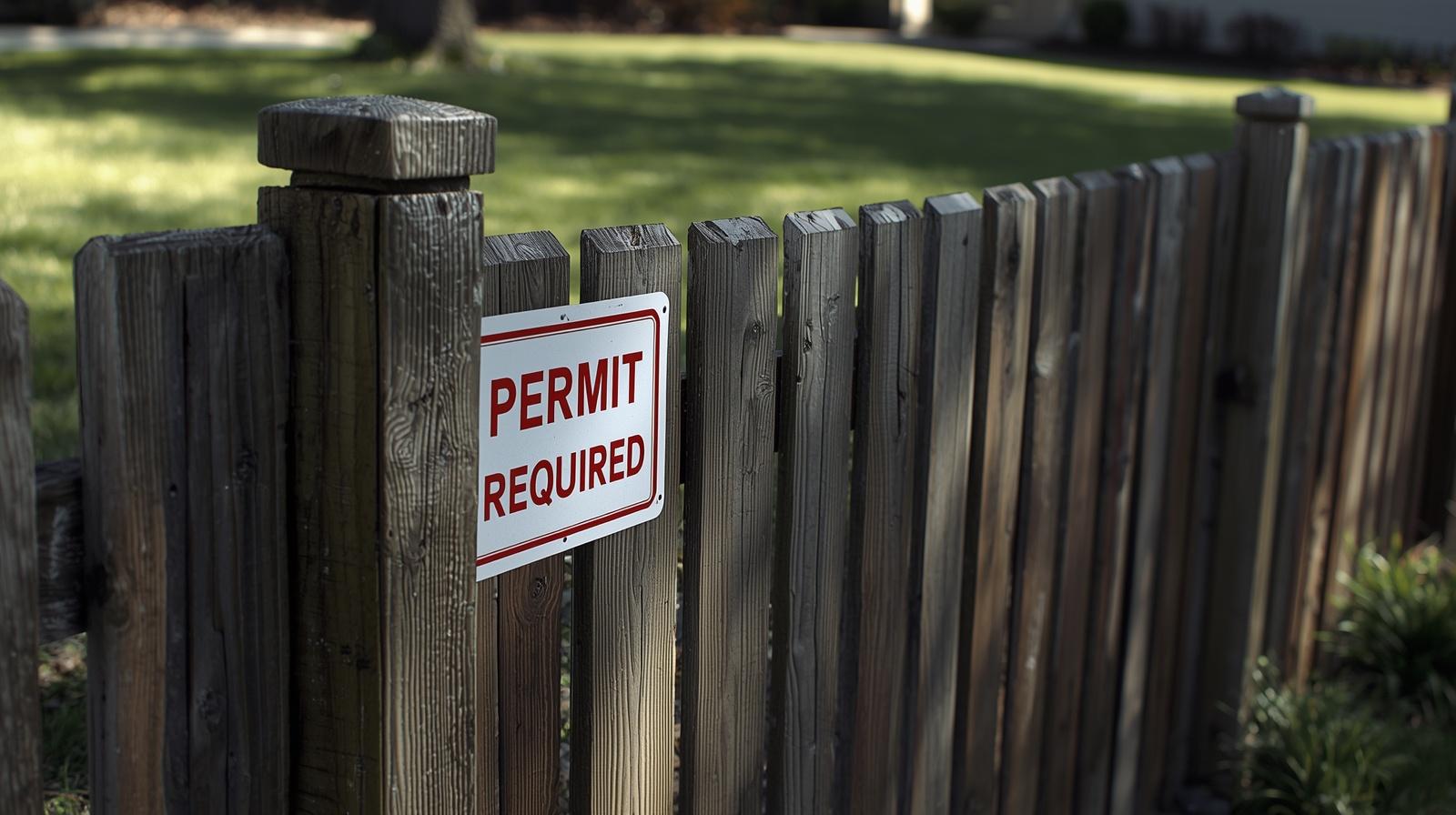
In Milton, WI, fence projects must follow local zoning standards for height, placement, and property lines, and some fences will require a permit depending on where they are installed and how tall they are. Before building, homeowners should confirm lot boundaries, front-yard vs backyard rules, visibility restrictions, and any permit triggers to avoid delays or costly corrections.
Why This Matters in Milton, WI
Fence permit rules in Milton, WI are about more than paperwork. They protect property owners, neighbors, and public safety.
A fence that is built too tall, too close to the street, or in the wrong location can create multiple problems. It can block sightlines for drivers, trigger complaints from neighbors, interfere with utility access, or violate setback and zoning requirements. Once a fence is installed incorrectly, fixing the problem can mean moving posts, reducing height, or removing sections entirely.
In Milton, WI, those risks are even more important because seasonal soil movement can make a bad installation worse over time. Freeze–thaw cycles, moisture, and snow load all add stress to posts and panels. That means getting the permit and placement details right from the beginning is one of the most important parts of the project.
Best Fence Options for Homes and Businesses
Permit rules in Milton, WI often affect what type of fence works best for a property.
Privacy fences are common in backyards and are usually built from wood or vinyl. These are popular when homeowners want screening, pet containment, or separation from nearby lots. Because privacy fences are often taller, they are also more likely to trigger zoning review depending on their location.
Decorative fences such as aluminum or picket styles are often a better fit for front yards. They preserve visibility, support curb appeal, and usually align better with lower height expectations in street-facing areas.
Chain link fences are often chosen for budget-conscious projects, side yards, or utility areas. They can be practical and durable, but local placement and appearance standards still matter.
For homes with pools, pets, or corner lots, fence design has to balance function with code compliance. In Milton, WI, the right fence is not just the one that looks best. It is the one that fits the property, meets local rules, and performs well in Wisconsin weather.
Fence Installation or Repair Process (Step-by-Step)
Understanding the permit side of the process helps homeowners avoid surprises.
1. Verify Property Lines
Before planning the fence layout, confirm exactly where your property boundaries are. Do not rely only on memory, old landscaping, or a neighbor’s fence line. If the lot line is not clear, a survey is worth considering.
2. Review Local Fence Rules
Check the current zoning requirements for Milton, WI. Height limits, front-yard restrictions, corner lot visibility rules, and permit triggers can vary based on where the fence will be installed.
3. Determine Whether a Permit Is Required
Some residential fences may not require a permit if they are modest in height and located in typical backyard areas. Taller fences, unusual placements, and certain front-yard installations are more likely to require formal approval.
4. Prepare a Site Plan
A site plan usually shows the home, lot lines, streets, and proposed fence location. It should also note fence height and material. This helps the city review placement and identify potential conflicts.
5. Call for Utility Marking
Before any digging begins, underground utilities should be located and marked. This is essential for safety and helps avoid service interruptions or repair bills.
6. Install Posts Correctly
Even when the permit side is complete, installation still has to be done properly. In Milton, WI, posts should typically be set below frost depth, often around 36–42 inches, to reduce movement from freeze–thaw cycles.
7. Final Compliance Check
Once the fence is installed, it should match the approved plan and remain within the property boundaries. A small measuring error at the start can become a major issue at the finish.
What This Typically Costs in Milton, WI (2026 Pricing)
Permit-related costs are usually small compared with the total project cost, but they still matter in the budget.
Typical fence installation in Milton, WI often falls in the $5,000–$12,000+ range depending on material, length, gates, terrain, and layout. Permit costs, if required, are generally much smaller than that total, but skipping them can create much larger expenses later.
Homeowners may also need to budget for a survey if lot lines are uncertain. That extra step can feel optional, but it is often cheaper than relocating a finished fence after a complaint or inspection issue.
The six biggest permit-related cost factors usually include:
Whether the fence requires approval
Fence height
Fence location on the lot
Whether a survey is needed
Corner lot or visibility concerns
Rework caused by incorrect placement
In Milton, WI, the most expensive permit issue is rarely the permit itself. It is the cost of correcting a fence that was installed in the wrong place or built outside local requirements.
Permits, Property Lines & Local Rules in Milton, WI
This is the section homeowners should pay the closest attention to before installation.
Property Lines
A fence should be installed fully within your property boundaries unless there is a clearly understood and legally appropriate shared arrangement. Building over the line can create disputes, delay home sales, and force removal or relocation later.
Height Limits
Residential fence height in Milton, WI is commonly more flexible in side and rear yards than in front yards. Backyard fences are often allowed up to around 6 feet, while front-yard fences may face stricter limits and design expectations. Taller fences are more likely to require approval.
Front Yard vs Backyard Rules
This distinction matters. A fence that is acceptable in a backyard may not be allowed in the same height or style if it is closer to the street. Front-yard areas usually have stricter rules because of visibility, neighborhood appearance, and traffic safety.
Corner Lots
Corner lots often face added visibility rules. A fence cannot create a blind spot for drivers approaching an intersection. That means even a decorative fence may need to stay lower or farther back in certain areas.
Setbacks and Right-of-Way
Fences should not extend into public right-of-way areas or conflict with sidewalks, roads, or utility corridors. Homeowners sometimes assume that the edge of the lawn marks the buildable limit, but that is not always the case.
Easements
If a fence is installed inside a utility or drainage easement, it may have to be removed later if access is needed. Always check for easements before installation.
HOA or Neighborhood Standards
If the property is part of an HOA or neighborhood association, there may be additional rules about materials, colors, style, or placement. In those cases, the fence must satisfy both local rules and HOA requirements.
Always confirm the current requirements with the local municipality and any applicable HOA before work begins.
Best Materials for Midwest Weather
Fence rules are one part of the decision. Weather performance is the other.
Wood fences are popular and flexible, but they require more upkeep in Wisconsin’s wet and freezing conditions. Moisture can lead to rot, and repeated seasonal movement can stress joints and posts.
Vinyl fences are attractive for homeowners who want lower maintenance. They resist moisture well and generally handle temperature swings better than untreated wood.
Chain link remains a practical, durable option for many properties, especially where function matters more than full privacy.
Aluminum works well for decorative applications and is especially useful where visibility matters. It is also resistant to rust and requires minimal maintenance.
In Milton, WI, whatever material you choose still depends on proper installation. Even the best fence material will fail early if the posts are not set correctly.
Repair vs Replacement (When Each Makes Sense)
Permit requirements are often different for repairs versus new installations.
Minor repairs such as replacing a few boards, fixing a latch, or correcting a small section usually do not trigger the same review as a brand-new fence. But once a project changes fence height, moves the fence line, or replaces a substantial portion of the structure, it may be treated more like a new installation.
That is why homeowners in Milton, WI should not assume a “repair” automatically avoids permit review. If the scope changes, the rules may change too.
How to Choose the Right Fence Contractor in Milton, WI
A good contractor should understand both installation and compliance.
Ask questions like:
Do you handle fence permit guidance in Milton, WI?
Will you help confirm layout and property line placement?
Do you install posts below frost depth?
What local fence height or placement issues should I know about?
What is included in the estimate?
Red flags include vague answers about permits, no mention of property lines, very low bids with little detail, or no discussion of frost-depth post installation.
FAQs
Do I need a permit for a fence in Milton, WI?
It depends on the height and location of the fence. Some standard backyard fences may not require one, while taller or front-yard fences often do.
How tall can a residential fence be?
Backyard fences in Milton, WI are often allowed around 6 feet, while front-yard fences usually have lower limits. Exact requirements should be confirmed before building.
Can I build directly on the property line?
You should only build where you are certain the property boundary is correct. If the line is unclear, a survey is the safest option.
What is the biggest mistake homeowners make?
The most common mistake is assuming the fence can go wherever the yard seems to end. Right-of-way lines, easements, and lot boundaries are not always obvious.
Do I need to worry about utilities?
Yes. Utilities must be marked before digging, and fences should not block access to utility or drainage easements.
Get a Free Fence Estimate in Milton, WI
If you’re planning a fence project in Milton, WI, understanding permit rules and property line basics before installation can save time, money, and frustration.
Dach Fence is a trusted regional leader serving Wisconsin and Illinois, with experience handling fence layout, permit guidance, and code-conscious installation for Midwest conditions.
We provide:
Permit guidance and site planning
Property line awareness during layout
Frost-depth post installation
Durable fences built for Wisconsin weather
Contact Dach Fence today for a free fence estimate in Milton, WI and get expert help planning your fence the right way from the start.
