
Fence Maintenance Before Winter in Evansville, WI: What to Inspect
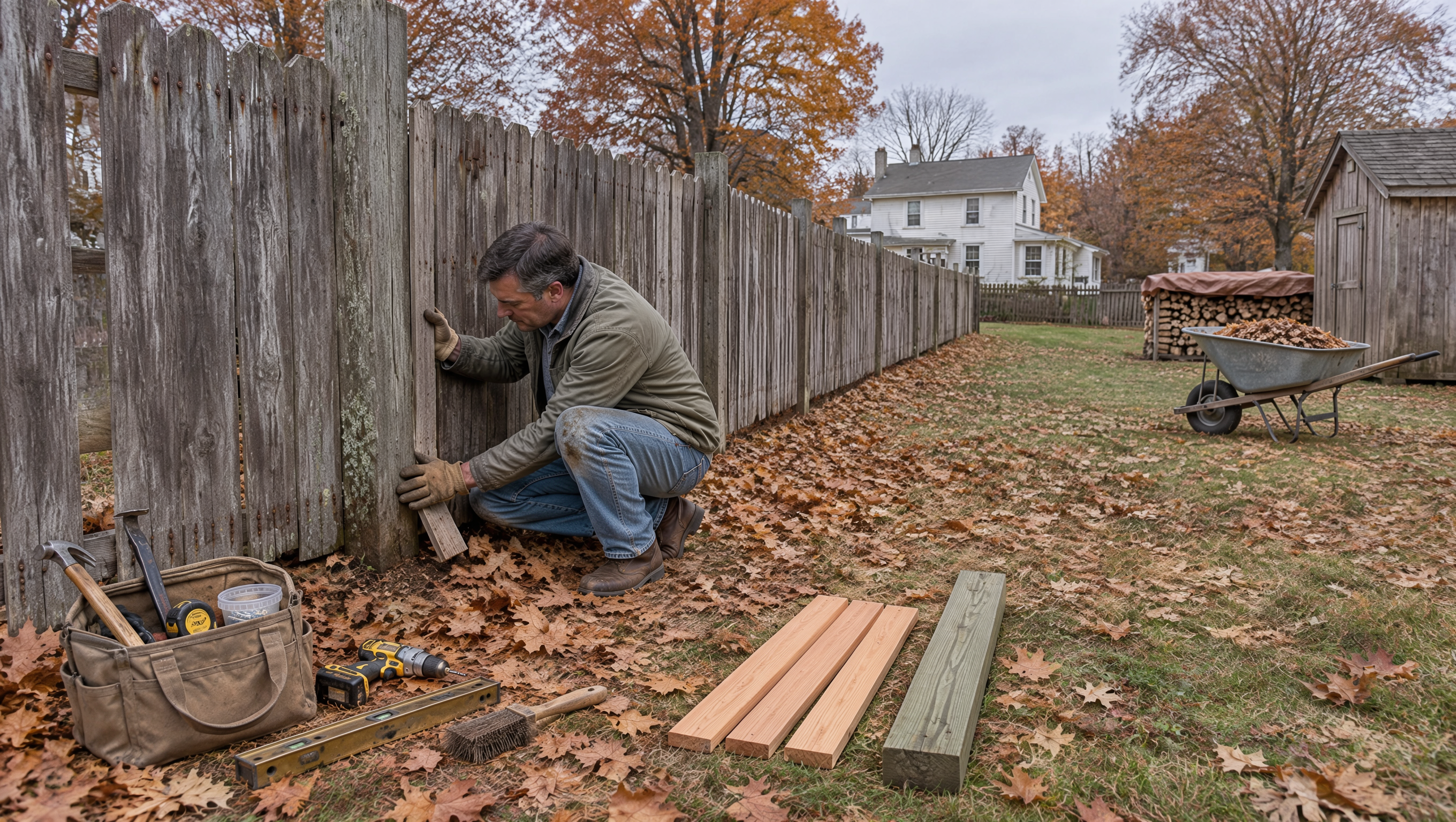
November is a good time for Evansville, WI, property owners to inspect fence posts, rails, boards, panels, gates, hardware, drainage, and areas exposed to wind or vehicle traffic. Catching small problems now can help prevent snow, ice, moisture, and freeze-thaw cycles from making them worse during winter.
Why a November Fence Inspection Matters
By early November, Wisconsin fences have already gone through months of weather and regular use.
A fence may have been affected by:
Heavy rain
Strong wind
Summer heat
Soil movement
Storm debris
Frequent gate use
Now that colder weather is moving in, small problems can become more difficult to handle.
Snow may also cover lower fence sections, post bases, drainage issues, and gaps that are currently easy to see.
For Evansville homeowners and commercial property owners, November is a practical time to complete one more inspection before winter conditions settle in.
Start With a Full Fence Walkaround
Walk the entire perimeter instead of checking only the most visible area.
Look for:
Leaning posts
Loose boards
Cracked panels
Bent rails
Sagging chain link
Gate problems
Rust
Rot
Standing water
Pay extra attention to corners, gates, driveways, low areas, and sections exposed to strong wind.
A quick walk can reveal problems that are easy to miss from the house or parking lot.
Check Fence Posts First
Posts support the entire fence system.
Inspect them for:
Leaning
Movement
Cracks
Rot
Corrosion
Soil gaps
Impact damage
If one post begins shifting, nearby rails, panels, or boards may also move.
Gate, corner, and terminal posts deserve extra attention because they often carry more structural stress.
Look at the Ground Around Posts
The soil around each post can provide clues about its condition.
Check for:
Erosion
Mud
Standing water
Exposed concrete
Soil pulling away from the base
Wet or loose soil may reduce support.
Repeated freezing and thawing can make existing movement more noticeable as winter progresses.
Review Drainage Along the Fence Line
Drainage is especially important before the ground begins freezing regularly.
Look for water collecting near:
Posts
Gates
Low fence sections
Driveways
Downspouts
If one section remains wet long after rain, it deserves attention.
Water problems can contribute to erosion, post movement, and winter ice around gates.
Inspect Wood Fence Boards
Wood fencing should be checked for:
Loose boards
Cracks
Splits
Warping
Rot
A loose board may become worse during winter wind.
If the board is still structurally sound, it may only need to be secured.
If it is soft, cracked, or badly deteriorated, replacement may make more sense.
Check Wood Rails
Rails connect boards to the posts and help keep each section stable.
Look for:
Sagging
Cracks
Loose connections
Rot
A damaged rail can affect several boards at once.
Repairing it before winter may prevent a larger section from loosening.
Look for Rot Near Ground Level
Wood is often most vulnerable where moisture collects.
Inspect:
Post bases
Lower boards
Lower rails
Signs of deterioration may include wood that is:
Soft
Darkened
Crumbling
Hollow
Structural rot should be prioritized over minor cosmetic surface wear.
Inspect Vinyl Panels
Vinyl fencing should remain straight and securely connected.
Look for:
Cracks
Loose panels
Uneven sections
New gaps
Post movement
Temperature swings can make existing alignment issues easier to notice.
If one section looks different from the rest, inspect the posts and rails supporting it.
Check Vinyl Connections
Make sure panels remain properly seated between posts.
Also look for:
Loose components
Missing post caps
Cracked rails
Shifting sections
A small problem may be easier to correct now than after snow and freezing temperatures arrive.
Inspect Chain Link Fabric
Chain link fabric should remain tight and properly connected.
Check for:
Sagging
Loose ties
Bent mesh
Bottom gaps
Separation near posts
Loose fabric can affect pet containment and commercial perimeter security.
If the mesh has lost tension, inspect the supporting posts and hardware too.
Check Chain Link Rails and Hardware
Inspect:
Top rails
Tension bars
Tension bands
Fence ties
Bolts
Look for bent, loose, missing, or corroded parts.
A damaged terminal connection or rail may affect a larger section than expected.
Watch for Rust and Corrosion
Metal fence components are exposed to moisture, and winter road salt can add more stress.
Inspect:
Hinges
Latches
Rails
Posts
Gate frames
Fasteners
Pay extra attention near streets, driveways, and parking areas.
Surface rust may not always be urgent, but deeper corrosion affecting structural components should be evaluated.
Test Every Gate
Open and close each gate several times.
Check whether it:
Drags
Sags
Sticks
Swings unevenly
Fails to latch
Needs to be lifted
A gate that is already difficult to use in November may become worse after snow, ice, or frost changes the ground clearance.
Inspect Gate Posts
Gate posts carry more stress than standard fence posts.
Look for:
Leaning
Movement
Rot
Corrosion
Soil erosion
If the latch no longer lines up, the gate post may be shifting.
Adjusting only the latch may not solve the underlying problem.
Check Hinges and Latches
Gate hardware should remain secure.
Inspect:
Hinges
Latches
Locks
Screws
Bolts
Loose hardware can cause sagging or unreliable closure.
If the same hardware repeatedly needs adjustment, inspect the gate frame and supporting post.
Check Ground Clearance
A gate that barely clears the ground now may begin dragging later.
Winter can change clearance because of:
Snow
Ice
Frost movement
Gravel shifting
Check the entire swing or sliding path.
This is especially important near driveways and sloped areas.
Clear Fallen Leaves
November leaves can collect along fence lines and around posts.
Remove heavy buildup from:
Post bases
Gates
Corners
Lower fence sections
Wet leaves may hold moisture and hide:
Rot
Rust
Erosion
Bottom gaps
Keeping the fence line clear makes winter inspections easier too.
Trim Vegetation Before Snow
Vines, weeds, shrubs, and branches should not press heavily against the fence.
Trim vegetation that:
Covers posts
Pushes on panels
Blocks gates
Hides damage
Overhanging branches deserve extra attention.
Snow and ice can add weight and increase the chance of branches falling onto the fence.
Check for Fall Storm Damage
Strong wind and heavy rain can expose weak sections.
After recent storms, look for:
New leaning
Loose panels
Bent rails
Gate movement
Erosion
Fallen branches
Do not assume a fence is undamaged simply because it is still standing.
Localized damage can often be repaired before it spreads.
Inspect Areas Near Driveways
Fence sections near driveways face additional risks.
These may include:
Vehicle impact
Trailer contact
Snowplow damage
Road salt
Snow piles
Look for scrapes, bent posts, loose rails, or gate movement.
Posts and corners should also remain easy to see once snow begins accumulating.
Plan Snow Storage Now
November is the right time to decide where winter snow will go.
Avoid regularly piling heavy snow against:
Privacy panels
Chain link fabric
Gates
Posts
Snow pressure can stress fence components.
Gate entrances should also remain clear enough for everyday use.
Mark Vulnerable Fence Corners
Once snow builds up, fence corners and gate posts can become harder to see.
Visible markers may be useful near:
Driveways
Parking lots
Plow routes
This simple step can help reduce accidental impact during snow removal.
Residential Fence Priorities
Homeowners should focus first on issues affecting:
Pet containment
Pool areas
Privacy
Backyard access
Gate security
A cosmetic problem may be able to wait.
A large gap, unstable post, or gate that will not latch should receive more immediate attention.
Commercial Fence Priorities
Businesses should prioritize:
Vehicle gates
Security gaps
Damaged chain link
Leaning terminal posts
Access-control entrances
Loading and service areas
Problems in these locations can affect both security and normal business operations.
Repair or Replace?
Many fall fence problems can still be handled with targeted repairs.
Repair may be appropriate for:
One loose board
One bent rail
Gate hardware
An unstable post
A small damaged panel section
Replacement may be worth considering when there is:
Widespread rot
Multiple failing posts
Extensive corrosion
Large leaning sections
Repeated gate problems
The full condition of the fence should guide the decision.
Use a November Fence Maintenance Checklist
Before winter settles in, confirm that:
Posts are stable
Boards and panels are secure
Rails are solid
Chain link fabric is tight
Gates open and latch properly
Hardware is secure
Drainage is working
Leaves are cleared
Vegetation is trimmed
Snow storage is planned
A short November inspection can help identify weak areas before winter conditions hide or worsen them.
Take Care of Fence Problems Before Winter
November is not too late to inspect and repair a fence.
For Evansville property owners, checking posts, rails, boards, panels, gates, hardware, drainage, and snow-prone areas now can help prevent small problems from becoming more difficult during winter.
Dach Fence provides residential and commercial fence repair, replacement, installation, gates, wood fencing, vinyl fencing, chain link fencing, aluminum or ornamental fencing, temporary fencing, and access control when relevant.
If your fence in Evansville, WI, needs maintenance or repair before winter, contact Dach Fence for a free estimate.
