
Fence Installation Timeline in Newark, WI: From Planning to Completion
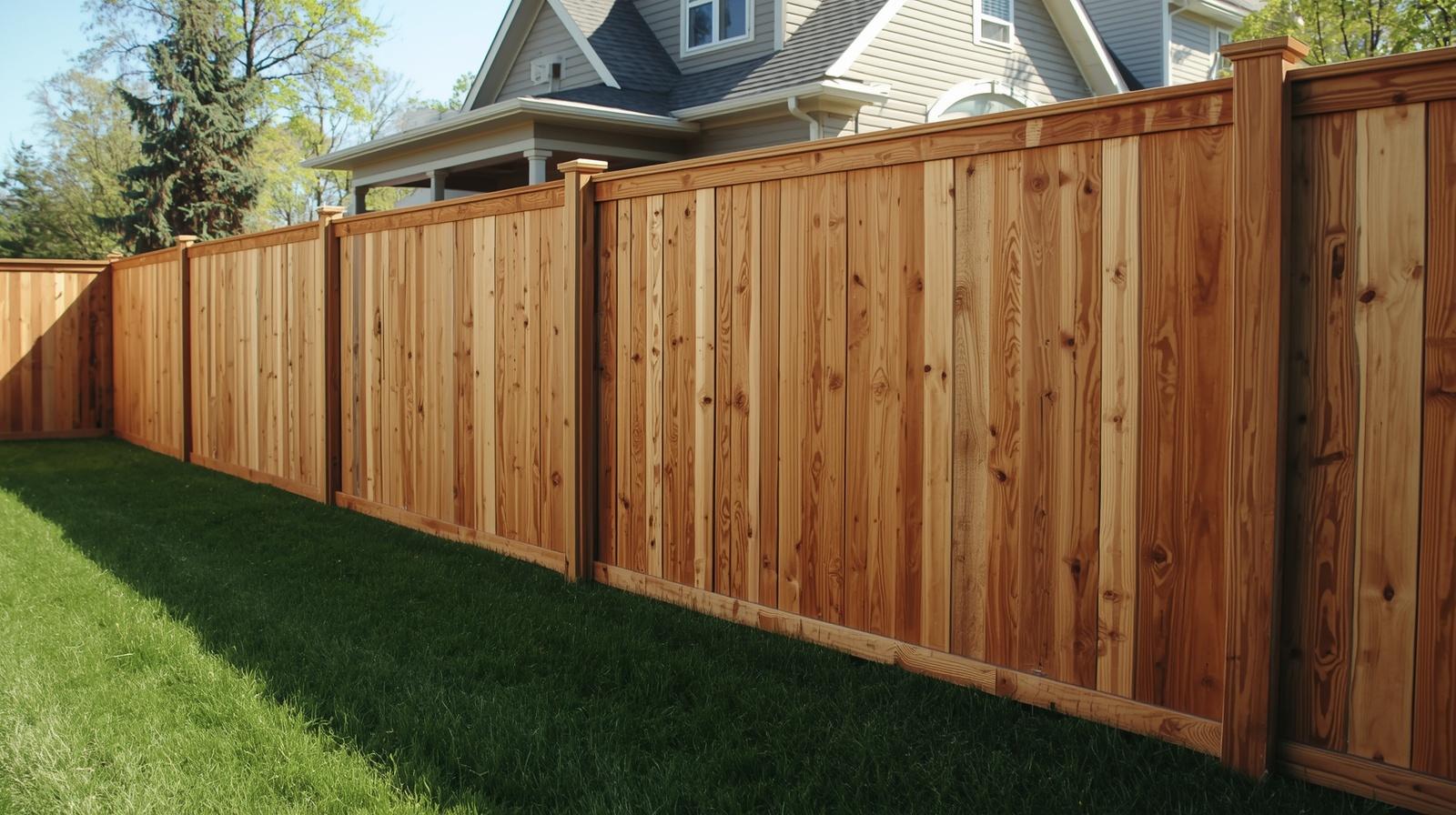
A fence installation timeline in Newark, WI depends on the project size, material, permit needs, property layout, weather, gates, and whether an old fence needs to be removed. Property owners should expect planning steps before installation begins, including an estimate, material selection, property line review, permit planning, scheduling, installation, and a final walkthrough.
Why Fence Installation Timelines Vary
Fence installation does not follow the same timeline for every property. A small chain link fence for a pet area may move faster than a full backyard privacy fence, rural property fence, commercial security fence, pool enclosure, dumpster enclosure, or project with multiple gates.
For property owners in Newark, WI, the timeline depends on several details. Material choice, property lines, permit planning, site access, weather, ground conditions, and crew scheduling can all affect how quickly the project moves from planning to completion.
A smooth fence project starts with preparation. When homeowners, business owners, and property managers understand the basic steps, it is easier to plan around installation and avoid common delays.
Step 1: Requesting a Fence Estimate
The first step is requesting a fence estimate. During this stage, the property owner explains what they need and why they need it.
A fence may be needed for:
Backyard privacy
Pet or child safety
Pool enclosure needs
Property line definition
Garden or landscape protection
Rural property boundaries
Commercial security
Equipment or storage protection
Dumpster enclosures
Gate and access control planning
Fence replacement after age or storm damage
The more clearly the goal is explained, the more useful the estimate will be. A privacy fence has different planning needs than a rural boundary fence, chain link fence, pool fence, or commercial gate system.
Step 2: Reviewing the Property
After the estimate request, the property should be reviewed so the fence layout can be planned properly. This may include measuring the fence line, checking access points, reviewing yard or site conditions, and discussing gate placement.
Important property details include:
Total fence length
Fence height
Ground slope
Gate locations
Mower or vehicle access
Drainage conditions
Existing fence removal
Utility or easement concerns
Nearby roads or driveways
Pool, garden, or commercial access needs
A flat, open yard is usually easier to plan than a property with slopes, tight access, trees, old posts, concrete, or complex corners. Reviewing these details early can make the estimate more accurate.
Step 3: Choosing the Fence Material
Material selection can affect both the timeline and cost. Some materials may be available sooner than others, and certain styles may require more installation time.
Wood Fencing
Wood fencing is often chosen for privacy and a traditional appearance. It works well for backyards, side yards, and residential spaces where a natural look fits the property.
Wood can be built in privacy, shadowbox, picket, or semi-private styles. It may require more maintenance over time because rain, snow, ice, humidity, sun exposure, and freeze-thaw cycles can affect boards, posts, and rails.
Vinyl Fencing
Vinyl fencing is popular for property owners who want a clean look with lower maintenance. It can provide strong privacy depending on the style.
Proper installation is important because solid vinyl panels can catch wind, and seasonal ground movement can affect post stability if the fence is not installed correctly.
Chain Link Fencing
Chain link fencing is practical, durable, and commonly used for pets, larger yards, rural properties, commercial spaces, storage areas, and functional boundaries. It does not provide full privacy on its own, but privacy slats can be added when more coverage is needed.
Aluminum and Ornamental Fencing
Aluminum and ornamental fencing are good options when appearance, visibility, and boundary definition matter. These fences are often used around front yards, pools, driveways, entrances, and areas where property owners want a polished look without closing off the view.
Step 4: Checking Property Lines and Layout
Before installation begins, property lines should be reviewed. This helps avoid neighbor disputes, incorrect placement, and issues with easements or access areas.
Property owners should not assume that an old fence, tree line, driveway edge, landscaping border, or mowed area marks the true boundary. If the property line is unclear, reviewing a survey or having the property marked can help prevent problems.
Layout planning should also consider where gates belong, how the fence connects to existing structures, and whether the fence could affect visibility near roads, driveways, shared access points, or farm lanes.
Step 5: Permit and Local Requirement Planning
Permit planning can affect the fence installation timeline. In Newark, property owners should review local requirements before starting fence installation or replacement.
Permit planning may involve:
Fence height
Fence placement
Property lines
Easements
Pool enclosure needs
Rural access areas
Commercial site requirements
Gate placement
Site plan or property drawing details
This step is important because permit or layout questions can delay the project if they are not addressed early. Checking requirements before scheduling installation helps keep the process smoother.
Step 6: Scheduling the Installation
Once the estimate, material choice, layout, and permit planning are complete, the project can move toward scheduling.
Scheduling depends on crew availability, material timing, weather, and project size. Spring, summer, and fall are often busy seasons for fence installation, so planning early can help property owners get on the schedule before peak demand.
Weather can also affect scheduling. Heavy rain, storms, frozen ground, or muddy site conditions may delay work. In Wisconsin, weather should always be part of the fence installation timeline.
Step 7: Old Fence Removal if Needed
If the property already has an old fence, removal may be part of the project. This can add time depending on the size, material, condition, and post installation of the existing fence.
Old fence removal may include:
Taking down panels, rails, boards, or fabric
Removing gates and hardware
Pulling or cutting old posts
Clearing damaged sections
Preparing the fence line for new installation
Fence replacement may take longer than a new installation on an open property because the old fence must be handled first.
Step 8: Setting Fence Posts
Post installation is one of the most important parts of the project. Strong posts support the fence, gates, panels, rails, or chain link fabric.
Posts should be installed with the material, soil, layout, and weather in mind. Wind, snow, ice, rain, and freeze-thaw cycles can all affect long-term fence performance.
Gate posts may need extra attention because gates are used often and experience more movement than regular fence sections. Proper post placement helps prevent sagging, leaning, and alignment problems later.
Step 9: Installing Fence Sections and Gates
After posts are ready, the fence material can be installed. Depending on the project, this may include wood boards, vinyl panels, chain link fabric, aluminum sections, rails, pickets, or ornamental components.
Gates are also installed during this stage. Gate planning matters because a poorly placed gate can make the property harder to use.
Gates may be needed for:
Mowing
Pets
Backyard access
Pool areas
Garden spaces
Utility access
Service workers
Commercial deliveries
Equipment movement
Rural driveway access
Gate width, swing direction, latch type, lock needs, slope, and snow clearance should all be planned before installation.
Step 10: Final Walkthrough and Maintenance Planning
After installation, property owners should review the finished fence. The final walkthrough may include checking gate operation, hardware, alignment, fence line placement, and general cleanup.
Maintenance planning is also important. Wood fences may need staining or sealing. Vinyl fences should be cleaned as needed. Chain link fences should be checked for fabric tension and gate hardware. Aluminum and ornamental fences should be inspected for loose hardware or alignment issues.
Regular maintenance is especially helpful after storms, heavy snow, high winds, or seasonal freeze-thaw cycles.
Residential, Rural, and Commercial Timeline Differences
Different properties may follow similar steps, but the planning details can vary.
For homeowners, the timeline may depend on privacy needs, pets, pool enclosure planning, gates, property lines, material choice, and old fence removal.
For rural properties, the timeline may include longer fence lines, wider gates, equipment access, open land exposure, and boundary planning.
For businesses and property managers, the timeline may include commercial access needs, employee movement, vehicle gates, security fencing, dumpster enclosures, temporary fencing, or access control. Commercial projects may require more coordination so installation does not interfere with daily operations.
Contact Dach Fence for Fence Installation in Newark, WI
A fence installation timeline in Newark, WI depends on planning, materials, permits, scheduling, weather, property layout, gates, and the size of the project. Whether you need residential fencing, rural fencing, commercial fencing, wood fencing, vinyl fencing, chain link fencing, aluminum or ornamental fencing, temporary fencing, pool enclosures, dumpster enclosures, gates, access control, fence repair, or fence replacement, the right process helps the project move more smoothly.
Dach Fence helps homeowners, property owners, business owners, and property managers choose practical fencing solutions built for real use and Wisconsin weather.
For fence installation in Newark, WI, contact Dach Fence today for a free estimate. Visit dachfence.net to get started.
