
Fence Installation Timeline in Albany, WI: What to Expect
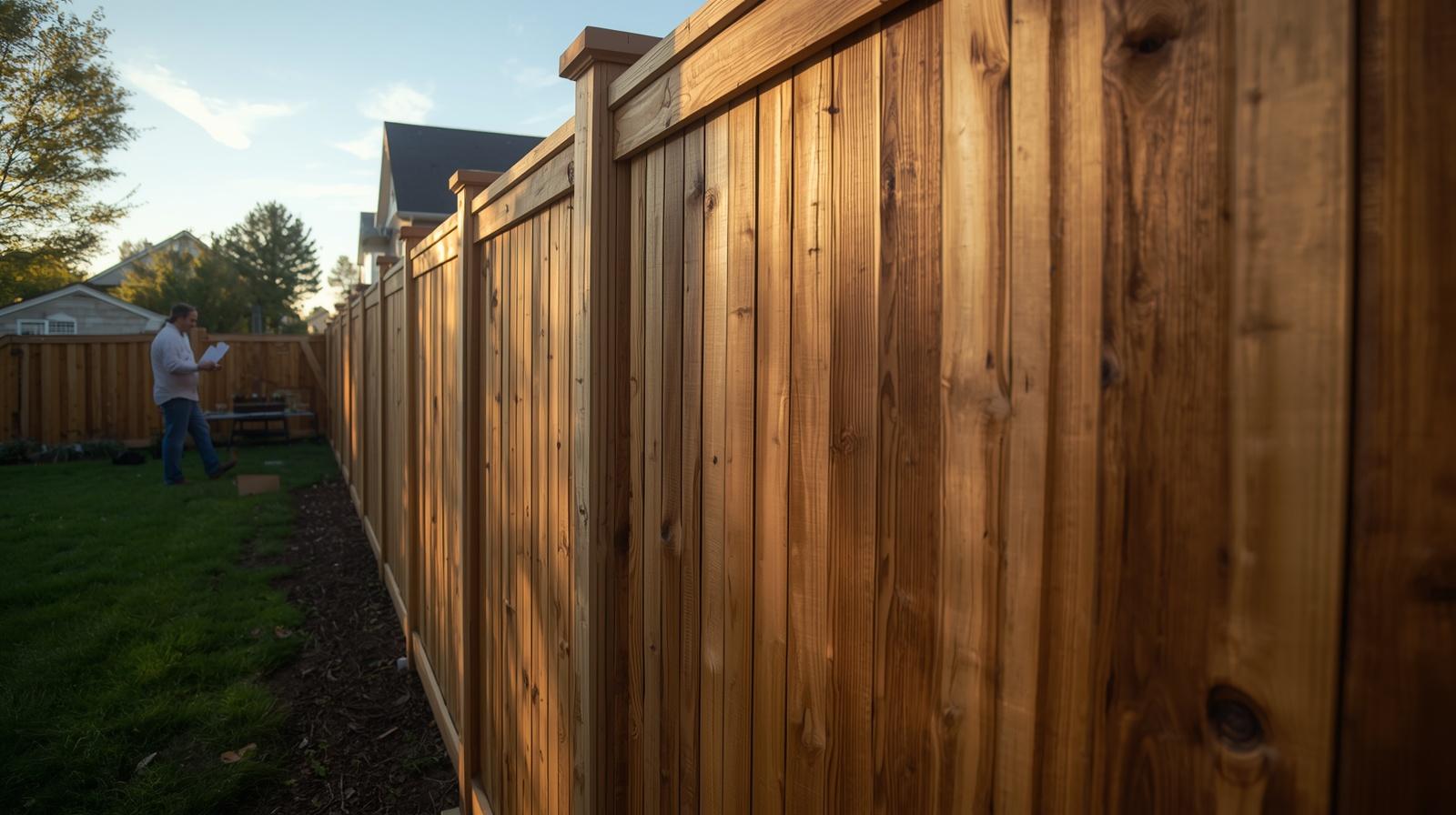
A fence installation timeline in Albany, WI depends on the project size, material, permit needs, property layout, weather, and whether old fencing must be removed. Homeowners and businesses should expect several planning steps before installation begins, including estimates, material selection, property line review, permit planning, scheduling, and final installation.
Why Fence Installation Timelines Vary
Fence installation does not happen on the same timeline for every property. A small residential chain link fence may move faster than a full backyard privacy fence, commercial security fence, pool enclosure, or project with multiple gates.
For property owners in Albany, WI, the timeline can depend on many details. Material availability, permit requirements, weather, site access, old fence removal, ground conditions, and the busy season can all affect scheduling.
A smooth fence project starts with planning. When property owners understand the basic steps ahead of time, they can prepare better and avoid common delays.
Step 1: Property Review and Estimate
Most fence projects begin with a property review and estimate. This gives the fence contractor a chance to understand the property, measure the area, review access points, and discuss the purpose of the fence.
During this stage, property owners should be ready to talk about:
The main reason for the fence
Desired material
Fence height
Privacy or security needs
Gate locations
Pet or child safety needs
Pool enclosure needs
Commercial access needs
Old fence removal
Budget expectations
A clear goal helps make the estimate more accurate. If the fence is for privacy, the layout may be different than a fence for pets, curb appeal, commercial security, or equipment protection.
Step 2: Choosing the Fence Material
Material selection can affect both the project cost and timeline. Some materials may be available sooner than others, and certain styles may require more planning or installation time.
Common fence materials include wood, vinyl, chain link, aluminum, and ornamental fencing.
Wood fencing is often used for privacy and a traditional appearance. It can be flexible for custom layouts, but it may require more maintenance over time.
Vinyl fencing is popular for homeowners who want a clean look with lower maintenance. It can provide privacy, but solid panels should be installed carefully because wind and freeze-thaw movement can affect performance.
Chain link fencing is practical and durable for residential, commercial, and temporary fencing needs. It is often used for pet areas, storage spaces, commercial perimeters, and larger yards.
Aluminum and ornamental fencing are good options when appearance, visibility, and boundary definition matter. They are often used around front yards, pools, driveways, and public-facing commercial spaces.
Step 3: Property Lines and Layout Planning
Before installation begins, property lines should be reviewed. This helps avoid neighbor disputes, incorrect placement, and issues with easements or utilities.
Property owners should not assume that an old fence, tree line, landscaping edge, or mowed area marks the true boundary. If the property line is unclear, a survey or property marking may be helpful.
Layout planning should include:
Where the fence will begin and end
Whether the ground is level or sloped
Where gates should be placed
Whether the fence is near sidewalks or roads
Whether utilities or easements are nearby
Whether drainage may affect the fence line
Whether the fence connects to an existing structure
Good layout planning helps prevent changes once installation is underway.
Step 4: Permit and Local Requirement Planning
Fence permits and local requirements can affect the timeline. Before scheduling installation, property owners should review what is needed for the project.
Permit planning may be important for new fences, replacement fences, pool enclosures, commercial fencing, front yard fencing, or fences near roads, sidewalks, easements, or property lines.
This step may involve submitting an application, reviewing the layout, confirming fence height, and making sure the project fits local requirements. Starting this step early can help prevent delays once the fence contractor is ready to schedule the work.
Commercial properties may need additional planning depending on site use, traffic flow, access needs, and security requirements.
Step 5: Scheduling the Installation
After the estimate, material selection, layout, and permit planning are complete, the project can move toward scheduling. The actual schedule depends on crew availability, material timing, weather, and the scope of work.
Spring, summer, and fall are often busy seasons for fence installation. Planning early can help property owners get on the schedule before the busiest periods.
Weather can also affect scheduling. Heavy rain, frozen ground, storms, or muddy site conditions may delay installation. In Wisconsin, seasonal weather should always be part of the timeline conversation.
Step 6: Old Fence Removal if Needed
If the property already has an old fence, removal may be part of the project. This can add time depending on the material, condition, post depth, and how much fence needs to be removed.
Old fence removal may include:
Taking down panels, boards, rails, or fabric
Removing gates and hardware
Pulling or cutting old posts
Clearing damaged sections
Preparing the fence line for new installation
Fence replacement may take longer than a new installation on an open property because the old fence must be handled first.
Step 7: Post Installation
Post installation is one of the most important parts of a fence project. Strong posts help support the fence, gates, panels, rails, or chain link fabric.
Posts should be installed with the property layout, soil conditions, fence material, and Midwest weather in mind. Wind, snow, ice, rain, and freeze-thaw cycles can all affect fence performance over time.
Proper post placement is especially important for privacy fences, gates, commercial fencing, and pool enclosures. Gate posts may need extra strength because gates are used often and experience more movement than regular fence sections.
Step 8: Fence and Gate Installation
Once posts are ready, the fence material can be installed. This may include panels, rails, pickets, chain link fabric, vinyl sections, aluminum sections, or ornamental components.
Gates are also installed during this stage. Gate planning matters because a poorly placed gate can make the property harder to use.
Gates may be needed for:
Mowing
Pets
Backyard access
Pool areas
Trash bins
Garden spaces
Service workers
Commercial deliveries
Equipment movement
Dumpster enclosures
Gate width, swing direction, latch type, lock needs, slope, and snow clearance should all be considered before installation.
Residential Fence Timeline Considerations
For homeowners in Albany, fence installation often focuses on privacy, safety, pets, curb appeal, and everyday yard use.
Residential timelines may be affected by material choice, property line questions, HOA or neighborhood rules, pool enclosure needs, and whether an old fence must be removed.
A simple backyard fence may be more straightforward than a project with multiple gates, sloped areas, a pool enclosure, or custom privacy sections.
Commercial Fence Timeline Considerations
Commercial fencing may involve more planning than a typical residential fence. Business owners and property managers may need to consider security, deliveries, employee access, vehicle gates, customer movement, storage areas, and access control.
Commercial projects may also require wider gates, stronger materials, larger layouts, or coordination around business operations.
A good commercial fence timeline should account for daily access needs so installation does not create unnecessary disruption.
Final Walkthrough and Maintenance Planning
After installation, property owners should review the finished fence. The final walkthrough may include checking gate operation, hardware, alignment, fence line placement, and general cleanup.
After installation, maintenance helps protect the investment. Wood fences may need staining or sealing. Vinyl fences should be cleaned as needed. Chain link fences should be checked for fabric tension and gate hardware. Aluminum and ornamental fences should be inspected for loose hardware or alignment issues.
Regular maintenance is especially helpful after storms, heavy snow, high winds, or seasonal freeze-thaw cycles.
Contact Dach Fence for Fence Installation in Albany, WI
A fence installation timeline in Albany, WI depends on planning, materials, permits, weather, property layout, gates, and the size of the project. Whether you need residential fencing, commercial fencing, wood fencing, vinyl fencing, chain link fencing, aluminum or ornamental fencing, temporary fencing, pool enclosures, dumpster enclosures, gates, access control, fence repair, or fence replacement, the right process helps the project move more smoothly.
Dach Fence helps homeowners, business owners, property managers, and commercial property owners choose practical fencing solutions built for real use and Midwest weather.
For fence installation in Albany, WI, contact Dach Fence today for a free estimate. Visit dachfence.net to get started.
