
Fence Installation in South Beloit, IL: Common Planning Mistakes to Avoid
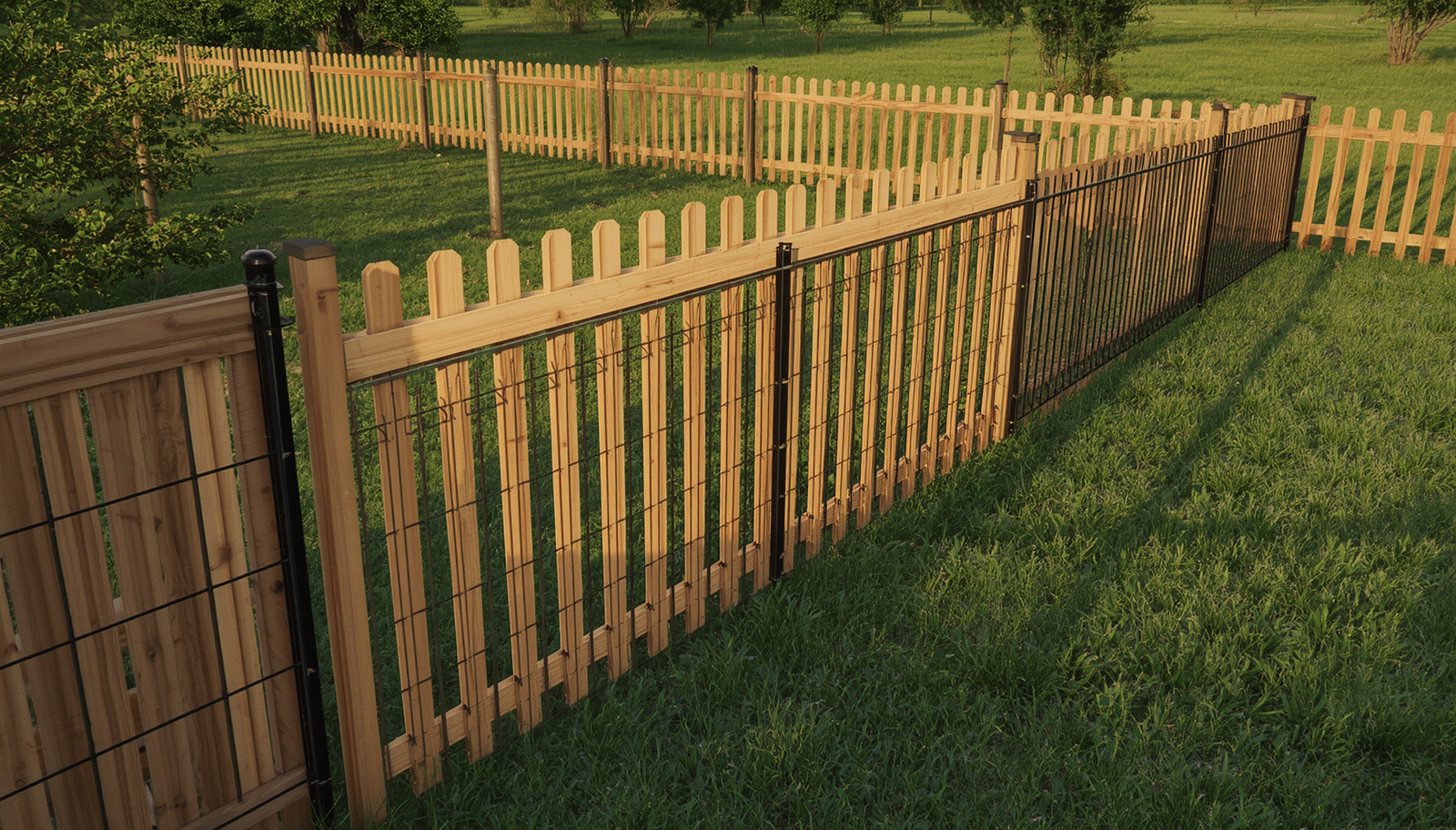
Fence installation in South Beloit, IL goes more smoothly when property owners avoid common planning mistakes before work begins. Reviewing permits, property lines, materials, gates, utilities, site access, drainage, and long-term maintenance can help prevent delays, added costs, and layout problems.
Why Fence Planning Matters in South Beloit, IL
A fence can improve privacy, security, curb appeal, pet safety, and daily property use. For homeowners, it may create a better backyard, define a property line, protect a pool area, or keep pets safer. For businesses, fencing may help secure equipment, organize storage, screen service areas, or control access.
But fence projects can become frustrating when important details are missed before installation. A fence that is placed incorrectly, built without proper planning, or designed without gate access can create problems that are harder to fix later.
For South Beloit, IL property owners, the best approach is to plan the project carefully before installation day. Avoiding these common mistakes can help the project move more smoothly from estimate to completion.
Mistake 1: Skipping Permit Research
One of the biggest mistakes is assuming a fence can be installed without checking local requirements. Fence projects may involve permits, zoning rules, height limits, placement requirements, site plans, and material guidelines.
Permit planning is especially important for:
New fence installation
Fence replacement
Fence repair involving new posts
Pool fencing
Commercial fencing
Dumpster enclosures
Gates and access control
Fences near roads, sidewalks, alleys, or driveways
Checking requirements early helps prevent delays. It is much easier to review permit needs before materials are ordered than to adjust a fence layout after work has started.
Mistake 2: Guessing the Property Line
Property lines are one of the most important parts of fence installation. A fence should be installed in the correct location and should not create problems with neighbors, easements, sidewalks, driveways, or roads.
A common mistake is assuming that an old fence, tree line, driveway edge, landscaping border, or mowed area marks the true property boundary. These markers may not be accurate.
If the property line is unclear, property owners should review a survey or have the boundary marked before installation. This is especially important when replacing an old fence, installing near a neighbor’s yard, fencing a corner lot, or placing gates near a driveway.
Mistake 3: Not Planning the Fence Layout Clearly
A fence layout should be decided before installation begins. Without a clear layout, the project may need changes after materials are selected or work has started.
Before installation, property owners should think about:
Which areas need to be enclosed
Whether the fence will follow the full property line
Whether only part of the yard needs fencing
Where gates should be located
Whether the fence will connect to a house, garage, or existing fence
Whether the layout affects mowing, pets, deliveries, or service access
Whether the fence is near sidewalks, alleys, driveways, or roads
A good layout helps avoid overbuilding, missed access points, and unnecessary changes.
Mistake 4: Choosing a Material Based Only on Appearance
Fence appearance matters, but it should not be the only factor. The material should match the property’s purpose, maintenance expectations, privacy needs, and exposure to Midwest weather.
Wood Fencing
Wood fencing is often chosen for privacy and a traditional look. It works well for backyards, patios, gardens, and areas where screening is important. However, wood requires maintenance. Rain, snow, ice, humidity, sun exposure, and freeze-thaw cycles can affect boards, posts, and rails over time.
Vinyl Fencing
Vinyl fencing offers a clean appearance with lower routine maintenance than wood. It can provide strong privacy depending on the style. Solid vinyl panels should be planned carefully because they can catch wind, especially in open areas.
Chain Link Fencing
Chain link fencing is practical, durable, and useful for pets, large yards, commercial properties, storage areas, and functional boundaries. It does not provide full privacy on its own, but privacy slats can be added when screening is needed.
Aluminum and Ornamental Fencing
Aluminum and ornamental fencing work well when appearance, visibility, and boundary definition matter. These fences are often used near front yards, entrances, pools, driveways, and commercial properties.
The best material depends on how the fence will be used every day.
Mistake 5: Forgetting About Gates
Gates are easy to overlook, but they affect daily use more than many property owners expect. A fence can look good, but if the gates are too narrow, poorly placed, or hard to operate, the property can become inconvenient.
Residential gates may be needed for:
Mowing access
Pets
Trash bins
Backyard entry
Pool access
Garden access
Utility access
Service workers
Commercial gates may need to support:
Employees
Deliveries
Service vehicles
Equipment movement
Dumpster pickup
Customer or tenant access
Restricted areas
Emergency access
Gate width, swing direction, latch type, lock needs, ground slope, and snow clearance should all be planned before installation.
Mistake 6: Not Calling Before Digging
Fence installation usually requires digging post holes. Before digging begins, underground utilities should be located. This helps reduce the risk of damaging gas, electric, water, sewer, cable, or communication lines.
Property owners should also think about private underground features that may not be marked through standard utility locating. These may include irrigation systems, invisible pet fence wiring, landscape lighting, drainage systems, or private utility lines.
Marking known private lines before installation can help prevent avoidable damage and delays.
Mistake 7: Leaving the Fence Line Cluttered
A cluttered fence line can slow installation and make it harder for crews to work safely. Before installation day, property owners should review the proposed fence path and move items that may block access.
Common items to clear include:
Patio furniture
Lawn decorations
Garden edging
Firewood
Trash bins
Stored materials
Toys
Rocks or debris
Brush or weeds
Low branches
Old fence panels
If an existing fence needs to be removed, confirm whether removal is included in the project. Old posts and concrete can affect the schedule and should be discussed before work begins.
Mistake 8: Ignoring Drainage and Ground Conditions
Site conditions can affect the fence layout, installation process, and long-term durability. A fence installed in an area with drainage problems, soft soil, slopes, or tree roots may need extra planning.
Before installation, review:
Low areas where water collects
Sloped sections
Tree roots near the fence line
Soft or muddy ground
Concrete or pavement
Drainage paths
Areas where snow piles up
Existing old post holes
These conditions can affect post placement, gate operation, and long-term performance. Sharing them during the estimate helps the contractor plan the project more accurately.
Mistake 9: Not Planning for Pets and Children
If pets or children use the yard, installation day should be planned carefully. Fence work may involve open access areas, tools, materials, digging, and temporary gaps in the yard.
Pet owners should keep animals indoors or in a secure separate area while the project is underway. If an old fence is being removed before the new fence is installed, the yard may not be enclosed for part of the project.
Families should also keep children away from the work area for safety.
Mistake 10: Overlooking Commercial Access Needs
For business properties, fence planning should include employee access, deliveries, service vehicles, customer or tenant movement, dumpster pickup, and emergency access.
Commercial planning should consider:
Where vehicles enter and exit
Where deliveries are received
Whether trucks need turning space
Whether equipment needs gate access
How employees move through the property
Whether service areas need screening
Whether access control is needed
A commercial fence should improve security without making daily operations harder.
Mistake 11: Forgetting About Midwest Weather
Fences in South Beloit need to handle Midwest weather. Wind, rain, snow, ice, storm damage, freeze-thaw cycles, and seasonal wear can affect posts, panels, rails, gates, hinges, and latches.
Strong winds can stress privacy panels and wide gates. Snow and ice can block gate movement. Rain can soften soil around posts. Freeze-thaw cycles can affect alignment over time.
A durable fence should include proper post installation, strong hardware, drainage awareness, and materials suited for the property’s exposure.
Mistake 12: Not Thinking About Maintenance
Every fence needs some level of maintenance. The amount depends on the material, property conditions, and how the fence is used.
Wood fences may need staining, sealing, and board repairs. Vinyl fences should be cleaned and checked for panel damage. Chain link fences should be inspected for fabric tension, bent rails, and gate alignment. Aluminum and ornamental fences should be checked for loose hardware and impact damage.
Gates usually need the most attention because they move often. Hinges, latches, locks, and posts should be checked regularly to keep gates working properly.
Contact Dach Fence for Fence Installation in South Beloit, IL
Fence installation in South Beloit, IL is easier when common planning mistakes are avoided. Property owners should review permits, property lines, layout, materials, gates, utilities, site access, drainage, weather, and maintenance before installation begins.
Dach Fence helps homeowners, business owners, property managers, and commercial property owners choose practical fencing solutions built for real use and Midwest weather. Whether you need wood fencing, vinyl fencing, chain link fencing, aluminum or ornamental fencing, pool fencing, dumpster enclosures, gates, access control, fence repair, or fence replacement, the right preparation can make the project smoother.
For fence installation in South Beloit, IL, contact Dach Fence today for a free estimate. Visit dachfence.net to get started.
