
Fence Installation in Oregon, IL: What Property Owners Should Know
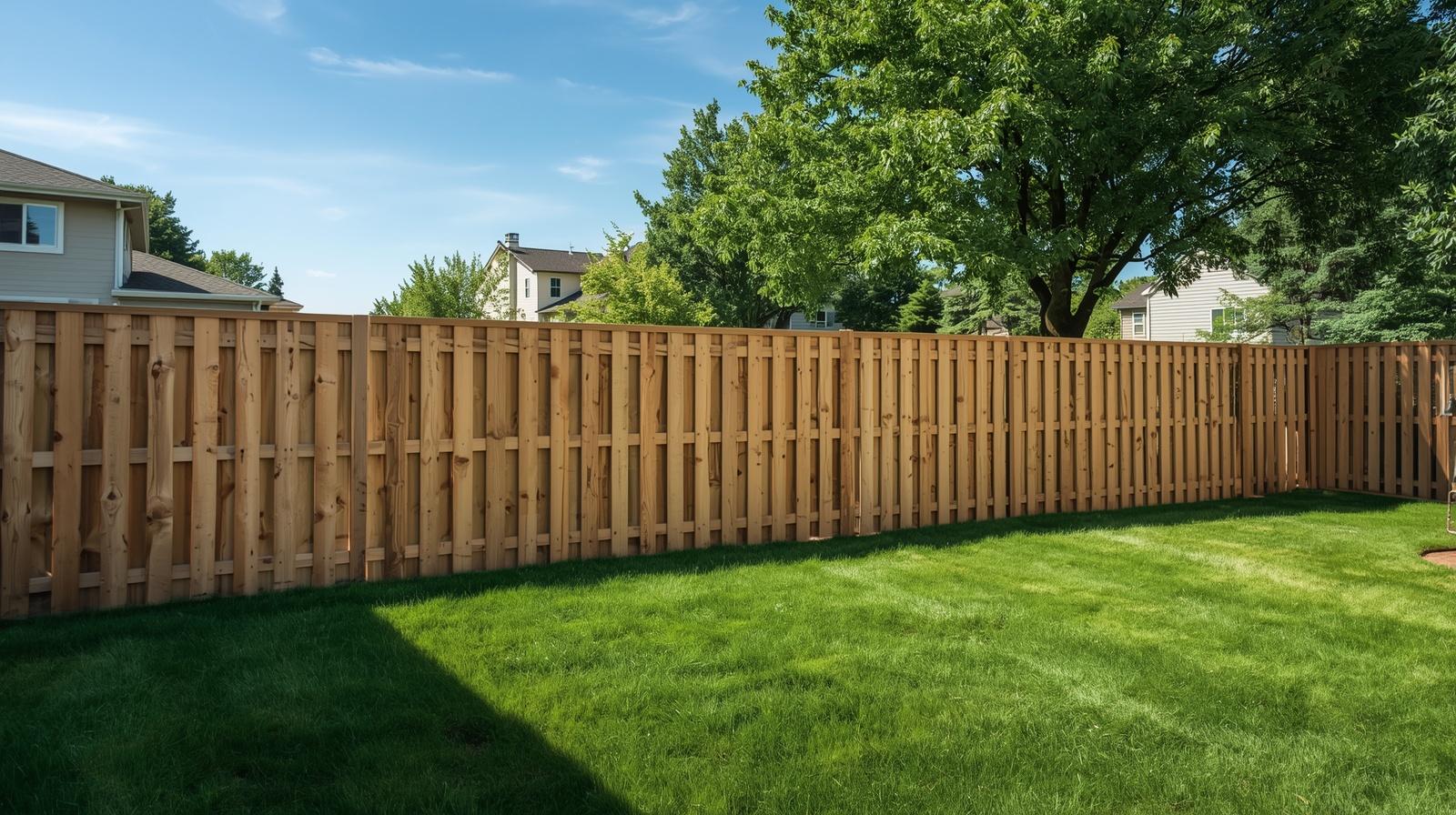
Oregon, IL sits along the Rock River in Ogle County and attracts a mix of longtime residents, rural property owners, and homeowners drawn to the area's natural character. Fence installation here involves local permit requirements, Illinois frost depth standards, and material choices that need to hold up through northern Illinois seasons. This guide covers what residential and commercial property owners in Oregon should know before starting a project. Dach Fence serves customers throughout Oregon and the surrounding Ogle County area.
Oregon, IL: A Fencing Market With Its Own Character
Oregon is the county seat of Ogle County, and it carries the qualities that come with that — a historic downtown, established residential neighborhoods close to the Rock River, rural and agricultural parcels on the outskirts, and a community character that values keeping properties looking maintained and well-kept.
Fencing fits naturally into that context. Whether a homeowner wants privacy in a backyard that backs up to a neighboring lot, a property owner wants to define a boundary along a rural parcel, or a small business needs to secure a commercial site on the edge of town, the starting point is the same: understanding what the property needs, what the local rules allow, and what northern Illinois weather will demand of whatever goes into the ground.
Oregon doesn't have the density or commercial volume of Rockford or Beloit, but that doesn't make fence installation simpler. Ogle County's soil conditions, the Rock River's influence on moisture levels for properties near the water, and the freeze-thaw cycle that runs through every northern Illinois winter all factor into a project that holds up the way it should.
Local Permits and Zoning: Start Here
Before selecting a material or measuring a fence line, property owners in Oregon need to understand what the City of Oregon and Ogle County allow.
The City of Oregon requires a building permit for most fence installations within city limits. Residential fence height limits, setback requirements from property lines and public rights-of-way, and placement rules near easements or drainage corridors all apply. Front yard fences, corner lot fencing near intersections, and fences near the river or floodplain-adjacent properties may face additional review.
For properties outside city limits on rural Ogle County parcels, county zoning rules apply instead of city ordinances. Agricultural zoning districts have their own standards, and fencing near public roads or section lines may be subject to county road setback requirements. If a property straddles a zoning boundary or sits near the city's edge, confirming which jurisdiction governs the specific parcel before starting is worth the few minutes it takes.
HOA rules apply in some of Oregon's newer residential developments. Reviewing those restrictions before selecting a fence height, style, or material prevents changes after the fact.
Illinois law requires contacting JULIE — the state's utility locate service — before any post installation. This is a legal requirement regardless of property type or location. Buried utilities in Oregon's established neighborhoods and developed commercial areas don't always follow the paths property owners assume.
Residential Fencing in Oregon: What Homeowners Are Looking For
Oregon homeowners tend to have a clear sense of what they want from a fence — privacy from neighboring lots, containment for pets and children, a defined border along a rural property edge, or a front yard treatment that adds curb appeal to a well-maintained home. Most projects fall into one of those categories, and the material choice flows from there.
Privacy and Backyard Enclosures
For homeowners who want full backyard privacy, wood and vinyl are the two primary options. Both deliver solid visual screening when installed correctly, and the choice between them usually comes down to maintenance preference and aesthetic goals.
Wood brings warmth and a traditional feel that suits Oregon's older residential streets particularly well. Cedar is the stronger long-term choice for northern Illinois — its natural moisture resistance gives it an advantage over untreated wood in a climate with wet springs and significant ground saturation after snowmelt. Pressure-treated pine is a cost-effective alternative that also handles outdoor exposure well with proper maintenance.
The maintenance commitment with wood is real. Sealing or staining every two to three years keeps moisture out and extends the fence's life significantly. Without it, rot sets in at board bases and post footings faster than most homeowners expect in northern Illinois conditions.
Vinyl delivers the same visual privacy with almost none of the maintenance. No painting, no sealing, no staining — it holds its appearance through years of weather with little more than an occasional rinse. For homeowners in Oregon's newer subdivisions or anyone who wants a low-maintenance solution, vinyl is hard to argue against. Quality matters: premium vinyl stays flexible in cold and resists cracking under impact; cheaper formulations don't hold up the same way through Illinois winters.
Rural and Agricultural Property Boundaries
Oregon sits close enough to Ogle County's agricultural land that a meaningful share of fence projects here involve rural or semi-rural parcels rather than traditional residential lots. Property boundary fencing on these sites serves a different function than a suburban privacy fence — it defines acreage, manages livestock or large animals in some cases, and provides a clear visible edge to the property.
Chain link and post-and-rail wood fencing are common choices for rural boundary applications. Chain link is durable, cost-effective across longer runs, and handles northern Illinois weather without significant maintenance. Post-and-rail is a traditional rural style that fits the landscape character of Ogle County and works well where a boundary marker is needed without a full enclosure.
For larger rural parcels with specific agricultural fencing needs — horse fencing, livestock containment, or perimeter fencing around outbuildings — the specifications differ from residential and commercial projects, and it's worth discussing the specific use with a contractor before selecting materials.
Front Yard and Ornamental Fencing
Front yard fencing in Oregon tends toward styles that complement rather than enclose — ornamental aluminum, picket fencing in wood or vinyl, and low decorative borders that define a yard's edge while maintaining an open feel. These applications are more about curb appeal and property character than privacy or security.
Aluminum ornamental fencing is a strong choice for front yard applications in Oregon. It doesn't rust, holds its appearance without maintenance, and suits the aesthetic of both historic homes near downtown and newer construction on the city's edges. Properties near the Rock River benefit from aluminum's corrosion resistance more than most — moisture exposure is higher near the water, and aluminum handles that environment better than iron or untreated steel.
Commercial and Small Business Fencing in Oregon
Oregon's commercial base is modest relative to larger regional cities, but small businesses, light industrial properties, agricultural operations, and commercial lots along the main corridors all have legitimate fencing needs.
Perimeter Security for Commercial Sites
Chain link remains the standard for commercial perimeter fencing in Oregon and across Ogle County. It's cost-effective across larger footprints, durable through Illinois winters, and straightforward to extend or repair as needs change. Commercial-grade chain link uses heavier wire gauge and larger post diameters than residential installations — specifications that matter for properties that need real security rather than a nominal barrier.
Higher-security applications can add barbed wire or razor ribbon along the top of the fence line. For commercial properties where the fence also needs to look professional — storefronts, professional offices, agricultural businesses with public-facing operations — ornamental aluminum or steel provides security without an industrial appearance.
Dumpster Enclosures
Dumpster enclosures are a common commercial request in Oregon. Most commercial landlords and municipal requirements call for them, and they serve a practical function beyond tidying up a property's appearance — they prevent unauthorized dumping, reduce pest exposure, and keep waste areas from becoming a problem for adjacent businesses or neighboring properties.
Enclosures are typically built from wood, vinyl, or chain link depending on the property's aesthetic and budget. A wood enclosure matches naturally with properties that already have wood fencing on site. Vinyl holds up longer with less maintenance. Chain link is the most straightforward and cost-effective for pure function.
Agricultural and Rural Commercial Fencing
Ogle County's agricultural character means some commercial fence projects in the Oregon area involve farm operations, rural businesses, and properties that blend agricultural and commercial uses. Livestock fencing, equipment yard enclosures, and boundary fencing on farm parcels all fall into this category. Material specifications for agricultural applications are distinct from standard residential or commercial fencing and are worth discussing in detail during the estimate phase.
How Northern Illinois Weather Affects Fence Performance in Oregon
Oregon sits in the same climate band as the rest of northern Illinois, and the seasonal stress on fences here follows the same pattern: freeze-thaw cycles drive post movement, spring moisture accelerates wood deterioration, summer storms test structural integrity, and fall prepares the ground for another winter.
A few specifics worth knowing for Oregon-area properties:
Frost depth matters more than most property owners realize. Posts in northern Illinois need to be set a minimum of 36 to 42 inches below grade to reach below the frost line. Posts set shallower than this will heave over time as the ground freezes and expands each winter. One shifted post stresses the panels and rails on either side, and the problem compounds if it isn't addressed.
Rock River proximity affects moisture exposure. Properties within a few blocks of the river — or in low-lying areas that collect runoff after snowmelt — deal with higher ground moisture than properties on higher ground. Wood fences on these sites need more diligent maintenance than the same fence on a drier lot. Vinyl and aluminum are stronger choices when moisture is a persistent factor.
Wind exposure on rural parcels. Properties on Oregon's rural edges or on elevated ground without natural windbreaks can experience wind loads that solid privacy fencing has to absorb. Post depth, post diameter, and concrete footing quality all factor into how well a fence holds up against sustained wind and the gusts that come through with summer and fall storms.
Seasonal inspections pay off. A quick walkthrough each spring — after the ground has fully thawed — and each fall before temperatures drop is the most effective way to catch small problems before they become larger ones. Leaning posts, loose hardware, and sections that took storm damage are all easier and less expensive to address early.
Choosing a Contractor for an Oregon, IL Fence Project
Oregon is a smaller community, and not every regional fence contractor has familiarity with Ogle County permit requirements or the specific site conditions that come with rural and riverfront properties here. A few things worth confirming with any contractor before committing:
Do they pull permits through the City of Oregon and are they familiar with Ogle County zoning rules for rural parcels?
Do they set posts to the correct northern Illinois frost depth and use proper concrete footings?
Do they contact JULIE for utility locates before any digging?
Do they have experience with the range of fencing applications common in Oregon — residential, rural boundary, agricultural, and small commercial?
These aren't complicated questions, and a contractor with real experience in the area will answer them without hesitation.
Get a Free Estimate From Dach Fence
Whether you're a homeowner planning a backyard privacy fence on an established Oregon street, a rural property owner looking to define a boundary along an Ogle County parcel, or a small business owner securing a commercial site, the right starting point is a conversation about what your property actually needs.
Dach Fence serves residential and commercial customers throughout Oregon, across Ogle County, and into the broader northern Illinois and Wisconsin region. Every project starts with a free estimate and a practical discussion — no pressure, no assumptions about what you need before we've seen the property.
Contact Dach Fence at dachfence.net to schedule your free estimate.
