
Fence Installation for Large Yards in Orfordville, WI: Fall Planning Tips
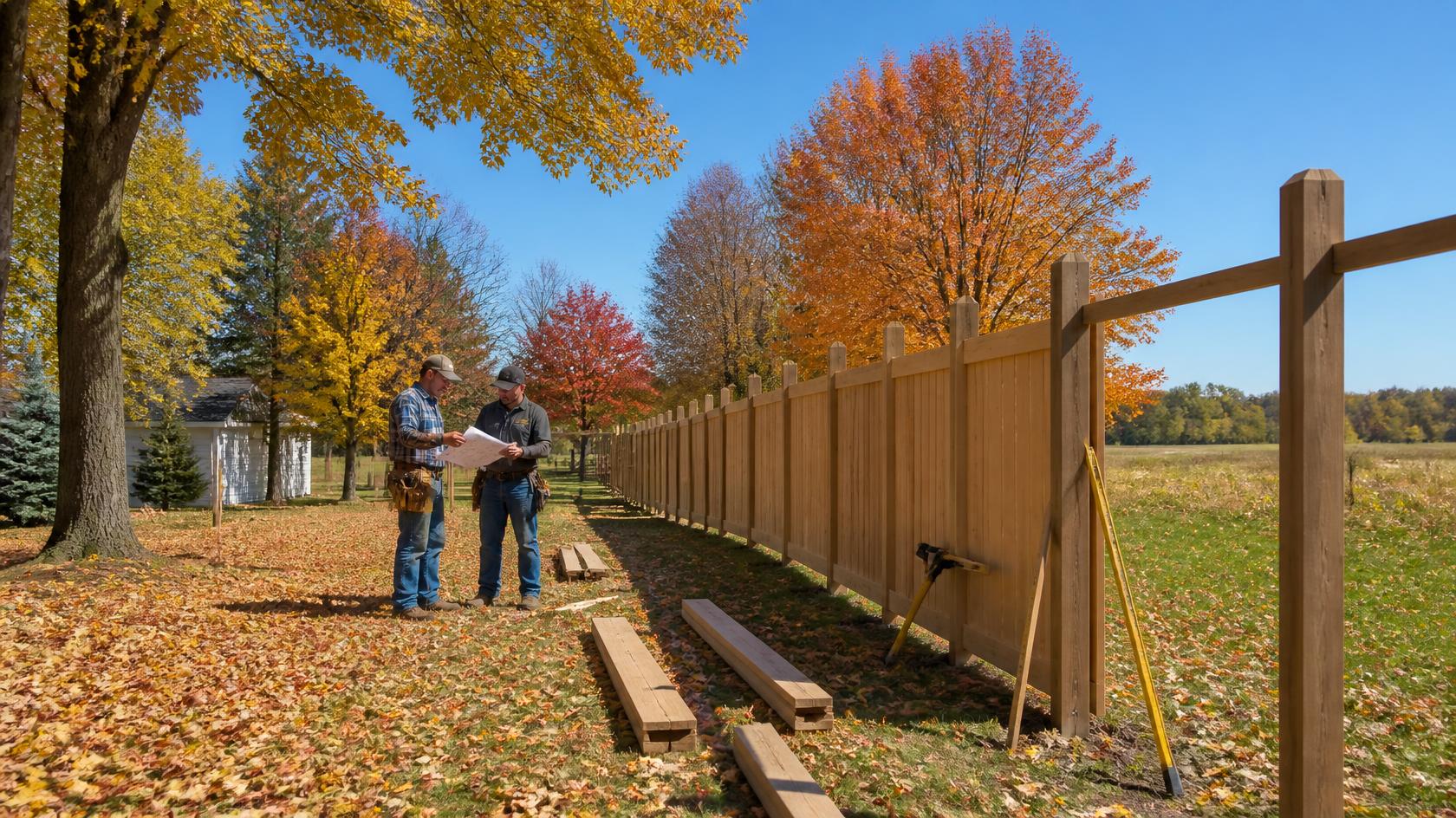
Installing a fence around a large yard takes more planning than simply choosing a material and marking a property line. For Orfordville property owners, fall is a useful time to evaluate layout, gates, drainage, weather exposure, access needs, and budget before winter conditions make outdoor work more difficult.
A well-planned fence should fit the property, provide the right level of privacy or security, and hold up to Wisconsin wind, snow, rain, and freeze-thaw cycles.
Why Large-Yard Fence Projects Need More Planning
Large properties give homeowners and commercial property owners plenty of flexibility, but they also create more decisions during fence installation.
A small backyard may only need one main fence line and a single gate. A larger property may include uneven terrain, long boundaries, multiple entry points, driveways, sheds, gardens, parking areas, utility zones, or sections that serve different purposes.
Before installation begins, it helps to decide exactly what the fence needs to accomplish.
Common goals include:
Creating privacy around a home or patio
Keeping children or pets safely contained
Defining property boundaries
Protecting gardens or outdoor equipment
Controlling access to a commercial property
Separating parking, storage, or work areas
Improving security around buildings
Creating pool or recreational enclosures
Clarifying these priorities early can prevent unnecessary fencing and help determine where different fence styles may make sense.
Start With the Property Layout
One of the first steps in planning a large fence installation in Orfordville is understanding the shape and conditions of the property.
Large yards are rarely perfectly flat or rectangular. Fence lines may need to follow slopes, landscaping, driveways, drainage areas, wooded sections, or existing structures.
Confirm Property Boundaries
Property lines should be understood before posts are installed. Existing landscaping, old fence lines, or mowing patterns are not always reliable indicators of legal boundaries.
Knowing the correct boundary also helps avoid problems with neighboring properties or future maintenance access.
Look at Slopes and Drainage
Wisconsin rain, melting snow, and freeze-thaw cycles can affect soil conditions around fence posts.
Low areas that collect water may need additional planning so posts are not repeatedly exposed to saturated soil. Sloped sections may also require adjustments in fence panel placement or post heights.
For large properties, identifying these areas before installation helps create a cleaner and more durable finished fence.
Choose Materials Based on the Property
The best material for a large yard depends on budget, appearance, maintenance expectations, and the purpose of the fence.
Because large properties require more linear footage, material selection can make a noticeable difference in total project cost.
Wood Fencing
Wood is often chosen when privacy and a traditional appearance are priorities.
It can work well around residential yards, outdoor living spaces, and areas where property owners want a more enclosed feel.
However, Wisconsin weather can be hard on wood. Rain, snow, moisture, and seasonal temperature changes may contribute to warping, surface wear, or deterioration over time.
Regular inspection and maintenance are important, especially after storms and winter weather.
Vinyl Fencing
Vinyl can provide privacy with less routine maintenance than wood.
It is often considered for residential areas where homeowners want a clean appearance without regular staining or painting.
For exposed properties, proper installation is especially important because strong Midwest winds can place significant pressure on large privacy panels.
Chain Link Fencing
Chain link is a practical option for large areas because it can cover long distances without creating a fully enclosed visual barrier.
It can be useful for:
Large residential yards
Pet containment
Commercial properties
Equipment or storage areas
Utility spaces
Recreational areas
Privacy screening may also be considered when certain sections need more visual coverage.
Aluminum or Ornamental Fencing
Aluminum and ornamental styles are often selected when appearance and visibility are both important.
They can work well around front yards, pools, landscaped areas, commercial entrances, and properties where owners want a more open design.
Because they do not provide full privacy, they are usually chosen when boundary definition, appearance, or controlled access is more important than screening.
Plan Gates Before Finalizing the Fence Line
Gate placement becomes especially important on large properties.
A fence that looks good but makes it difficult to move lawn equipment, trailers, vehicles, or maintenance crews can quickly become frustrating.
Think about how the property is currently used and how that could change later.
Possible gate locations include:
Main backyard entrances
Driveways
Side yards
Garden areas
Utility areas
Commercial parking lots
Equipment storage zones
Service entrances
Gate width also matters. A standard pedestrian gate may work near a home, while wider access may be needed for riding mowers, landscaping equipment, trailers, or commercial vehicles.
Planning these details before installation is usually easier than modifying the fence later.
Consider Privacy and Security by Section
Not every part of a large yard needs the same fence design.
For example, a homeowner may want a privacy fence around a patio while using a more open fence around the remaining property. A commercial property might need stronger security fencing around equipment while keeping customer-facing areas more visually open.
Using different fence types strategically can help balance appearance, function, and cost.
For residential properties, privacy may be most important around:
Patios and decks
Pools
Backyard seating areas
Neighbor-facing property lines
For commercial properties, security priorities may include:
Storage areas
Loading areas
Equipment yards
Dumpster enclosures
Restricted-access zones
Access control may also be relevant when vehicles or authorized personnel need controlled entry.
Prepare for Fall and Winter Weather
Fall fence installation in Orfordville means planning around changing Wisconsin weather.
Early fall can provide comfortable working conditions, but temperatures, rain, and soil conditions become less predictable as winter approaches.
Wind Exposure
Open yards can experience stronger wind pressure than smaller enclosed properties.
Privacy fencing in particular creates more wind resistance, making proper post depth, spacing, and installation important.
After strong storms, property owners should inspect long fence runs for loose posts, leaning sections, damaged panels, or gate alignment problems.
Snow and Ice
Snow accumulation can place additional pressure on lower fence sections, especially where plows or drifting snow create piles near the fence line.
Commercial properties should also consider where snow removal equipment operates so fences and gates are not placed where they could be easily struck.
Freeze-Thaw Cycles
Repeated freezing and thawing can move soil and expose weaknesses in poorly installed posts.
Proper installation and drainage planning can help reduce movement as ground conditions change through winter and spring.
Check Permit and Property Requirements
Fence requirements can vary depending on the property, fence height, placement, type of enclosure, and local regulations.
Before construction, property owners should confirm any applicable permit, zoning, setback, pool enclosure, or visibility requirements.
Commercial properties may have additional considerations related to site access, security, traffic flow, or neighboring properties.
Taking care of these details early can help prevent delays once installation begins.
Think About the Installation Timeline
Large yards naturally require more material, more posts, and more installation time than smaller residential projects.
Several factors can affect the schedule:
Total fence length
Fence material
Number and size of gates
Ground conditions
Slopes or uneven terrain
Existing fence removal
Tree roots or landscaping
Weather delays
Custom sections or access control
If the goal is to complete the project before winter, starting the planning process earlier in fall gives more time for measurements, material selection, site preparation, and scheduling.
Waiting until temperatures drop significantly can limit flexibility.
Understand the Main Cost Factors
The size of the property is an important cost factor, but total fence length is only part of the calculation.
Other factors may include:
Fence material
Fence height
Number of posts
Number and type of gates
Terrain and slope
Existing fence removal
Difficult soil conditions
Custom corners or transitions
Privacy requirements
Commercial-grade hardware
Access control features
Site accessibility
A large yard does not necessarily need to be fenced entirely with the same material.
Planning different sections based on how the property is used may help create a more practical project while controlling unnecessary costs.
Plan for Long-Term Maintenance
Large fences can take more time to inspect and maintain, so choosing a material that matches the owner's maintenance expectations is important.
At least seasonally, check for:
Loose or leaning posts
Damaged panels or rails
Rust or corrosion on hardware
Gate alignment problems
Broken or loose latches
Soil erosion around posts
Storm damage
Vegetation growing against the fence
Fall is a particularly good time to inspect fencing because problems can be addressed before snow and ice make repairs more difficult.
Commercial property managers may also benefit from checking gates and access points regularly because frequent vehicle and employee use can place additional stress on hardware.
A Good Fence Starts With a Good Plan
Large-yard fence installation in Orfordville requires more than choosing a style from a catalog.
Property layout, weather exposure, privacy, security, gate locations, drainage, maintenance, and future access all affect how well the fence performs.
Taking time to plan these details before installation can make the finished fence easier to use and maintain through Wisconsin's changing seasons.
Whether you are fencing a residential yard, commercial property, equipment area, pool, or large perimeter, Dach Fence can help you compare materials, review your layout, and plan a fence that fits the property.
Contact Dach Fence today to request a free estimate for fence installation in Orfordville, WI, and surrounding areas.
