
Fence Installation in Huntley, IL: Planning Around Property Lines and Gates
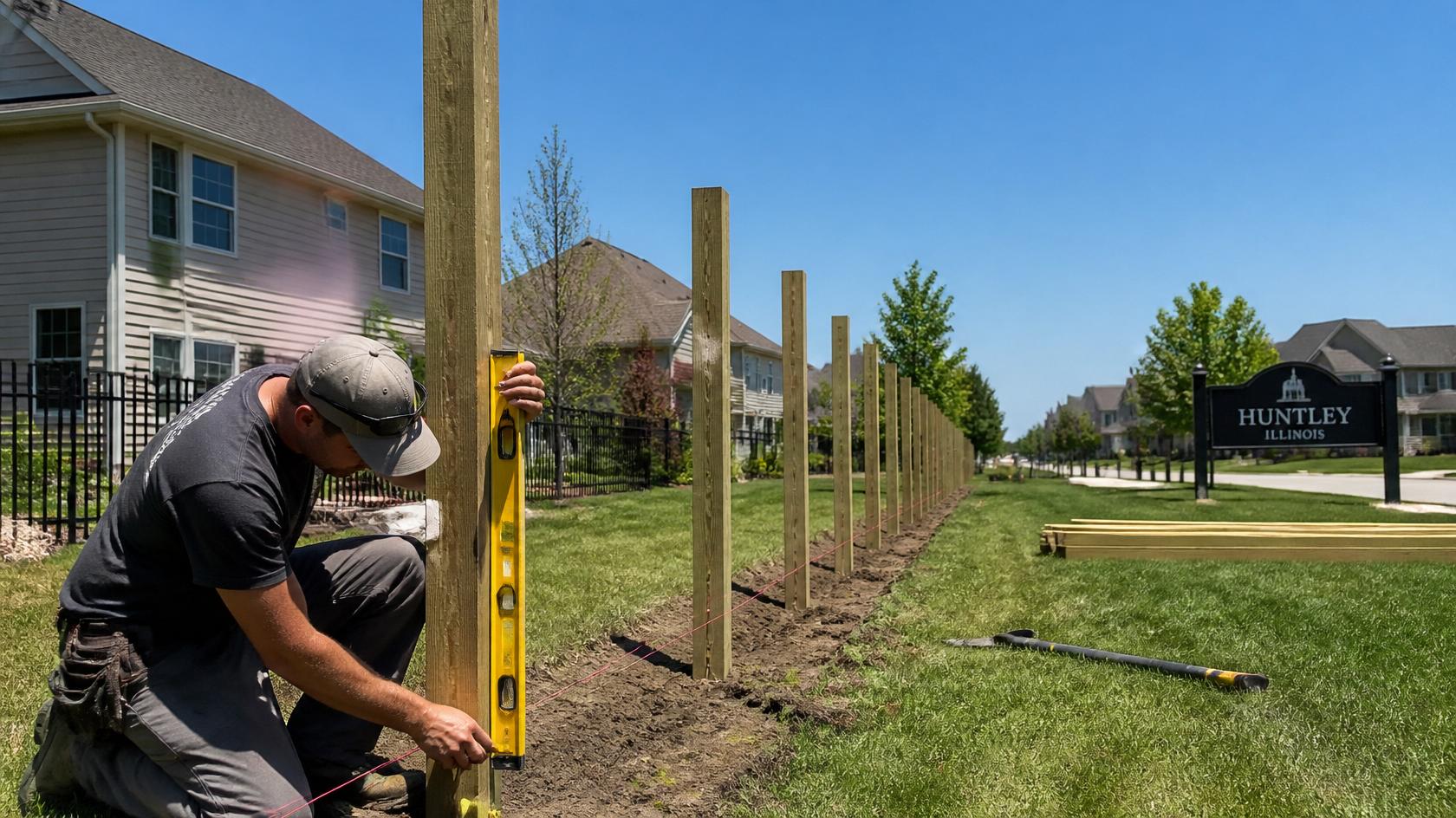
Installing a new fence involves more than choosing a material. Planning around property lines, gate placement, drainage, and local conditions helps prevent future issues while creating a fence that works for your home or business. This guide explains the key factors property owners in Huntley, IL should consider before starting a fence installation project.
Why Planning Matters Before Installing a Fence
A new fence is a long-term investment that improves privacy, security, curb appeal, and property value. Whether you're enclosing a backyard, securing a commercial property, or replacing an aging fence, careful planning makes a significant difference in the final result.
Many fencing problems begin before installation even starts. Property line disputes, poorly placed gates, drainage issues, and choosing the wrong material can all lead to unnecessary expenses later.
For homeowners and business owners in Huntley, taking time to plan the layout ensures the finished fence functions well for years while complementing the property.
Understanding Property Lines Before Fence Installation
One of the most important parts of any fence installation is confirming exactly where the property boundaries are located.
Installing even a few inches over a neighboring property can create costly disagreements and may require sections of the fence to be removed and rebuilt.
Before installation, it's wise to:
Review your property's survey.
Locate existing property markers.
Verify lot boundaries if they're unclear.
Discuss shared fence plans with neighbors when appropriate.
Commercial properties often require even greater attention because property boundaries may involve parking lots, easements, loading areas, utility access, or shared entrances.
A professional fence contractor can help identify potential layout concerns before construction begins.
Choosing the Right Fence Material for Your Property
Every fencing material offers different advantages depending on maintenance preferences, appearance, privacy needs, and budget.
Wood Fencing
Wood fencing remains a favorite for homeowners seeking natural beauty and privacy.
Benefits include:
Traditional appearance
Excellent privacy
Custom heights and designs
Easy repairs if individual boards become damaged
Because Illinois experiences snow, rain, humidity, and freeze-thaw cycles, wood fences benefit from routine sealing or staining to help protect against moisture.
Vinyl Fencing
Vinyl fencing offers a clean appearance with very little maintenance.
Advantages include:
No painting required
Resistant to rot
Won't attract insects
Easy cleaning
Vinyl performs well through changing Midwest seasons and maintains its appearance for many years.
Chain Link Fencing
Chain link fencing is a practical choice for both residential and commercial applications.
Common uses include:
Backyards
Schools
Warehouses
Industrial facilities
Equipment storage
Athletic fields
Privacy slats can also be added where additional screening is desired.
Aluminum and Ornamental Fencing
Aluminum fencing provides security while maintaining an open appearance.
It works well around:
Front yards
Commercial entrances
Apartment communities
Parks
Decorative landscapes
Pool areas
Unlike traditional iron, aluminum resists rust and handles changing weather conditions with minimal maintenance.
Planning Gate Locations Carefully
A fence is only as functional as its gates.
Poor gate placement can make everyday tasks frustrating, while properly positioned gates improve convenience and accessibility.
Residential properties often benefit from:
Front walk gates
Backyard access gates
Double gates for equipment
Pool entry gates
Garden entrances
Commercial properties may require:
Vehicle access gates
Employee entrances
Loading dock access
Emergency access points
Service entrances
Thinking through daily traffic patterns before installation helps avoid costly modifications later.
When Access Control Makes Sense
Some commercial properties and larger residential properties benefit from access control systems.
Depending on the property's needs, gates may include:
Keypad entry
Remote access
Card readers
Automatic gate operators
Security integration
Businesses, apartment communities, storage facilities, and private developments often use access control to improve both security and convenience.
Planning Around Huntley's Weather
Illinois weather places year-round stress on fences.
In Huntley, property owners regularly experience:
Heavy snowfall
Strong wind
Ice accumulation
Spring rain
Summer storms
Freeze-thaw cycles
These conditions affect installation planning in several ways.
Wind Exposure
Open areas experience stronger wind pressure.
Selecting sturdy posts, proper post spacing, and appropriate materials helps fences remain stable during seasonal storms.
Freeze-Thaw Cycles
Repeated freezing and thawing can shift soil over time.
Proper post depth and quality concrete footings help reduce movement and improve long-term stability.
Drainage
Poor drainage can shorten the lifespan of many fence materials.
Fence layouts should account for:
Sloped yards
Water runoff
Low-lying areas
Soil movement
Proper grading helps prevent standing water around fence posts.
Privacy and Security Goals
Every property has different priorities.
Some homeowners primarily want backyard privacy, while businesses may focus on controlling access and protecting equipment.
Before choosing a fence, consider:
Desired privacy level
Security concerns
Visibility requirements
Noise reduction
Pet containment
Child safety
Appearance from the street
Matching the fence design to your property's purpose creates a better long-term investment.
Fence Installation for Residential Properties
Residential fence projects often involve balancing appearance with functionality.
Common homeowner priorities include:
Safe play areas
Pet containment
Backyard privacy
Attractive curb appeal
Pool safety
Easy maintenance
Gate placement should also support everyday activities such as lawn maintenance, garbage collection, and moving outdoor furniture or equipment.
Fence Installation for Commercial Properties
Commercial fencing typically focuses on security, durability, and controlled access.
Businesses may install fencing around:
Office buildings
Retail centers
Industrial properties
Warehouses
Construction sites
Apartment complexes
Storage yards
Depending on the property, additional features such as dumpster enclosures, temporary fencing, security gates, or access control systems may be incorporated into the project.
Fence Repair or Full Replacement?
Not every damaged fence needs complete replacement.
Repairs may be appropriate when damage is limited to:
Loose posts
Broken boards
Damaged gates
Bent chain link sections
Minor storm damage
Replacement often becomes the better option when:
Multiple sections have failed.
Posts are rotting.
Structural stability has been compromised.
The fence has reached the end of its expected lifespan.
Repairs would cost nearly as much as installing new fencing.
An inspection helps determine the most practical solution.
Permits and Local Considerations
Fence regulations vary depending on the property and municipality.
Before installation, property owners should verify requirements related to:
Fence height
Setback requirements
Corner visibility
Pool enclosure rules
Gate safety requirements
Easements
Working with an experienced fencing contractor helps ensure the project follows applicable local requirements and avoids unnecessary delays.
Factors That Affect Fence Installation Costs
Fence pricing depends on several project-specific details rather than one standard rate.
Factors that commonly influence cost include:
Property size
Fence height
Material selection
Number of gates
Gate size
Access control features
Ground conditions
Slope
Removal of existing fencing
Site accessibility
A detailed estimate provides a more accurate understanding of the project's total investment.
Typical Fence Installation Timeline
Although every project differs, most installations follow a similar process:
Initial consultation and site visit
Property measurements
Material selection
Final project planning
Permit approval if required
Material ordering
Fence installation
Final inspection and walkthrough
Weather conditions, custom materials, and project size may affect scheduling.
Why Professional Planning Pays Off
A well-planned fence performs better, lasts longer, and requires fewer repairs over time.
Careful attention to property lines, drainage, gate placement, materials, and weather conditions helps ensure the finished fence meets both functional and aesthetic goals.
Whether you're upgrading a home's backyard or securing a commercial facility, investing time in planning leads to better long-term results.
Get a Free Fence Installation Estimate from Dach Fence
If you're planning a fence installation in Huntley, IL, the team at Dach Fence can help you choose the right materials, design an efficient layout, and install a fence built to handle Midwest weather. Whether you need residential fencing, commercial fencing, gate installation, fence replacement, or repairs, we're here to guide you through every step of the process.
Contact Dach Fence today for a free estimate and expert recommendations tailored to your property.
