
Fence Installation in Hanover, WI: Choosing Materials for Long-Term Durability
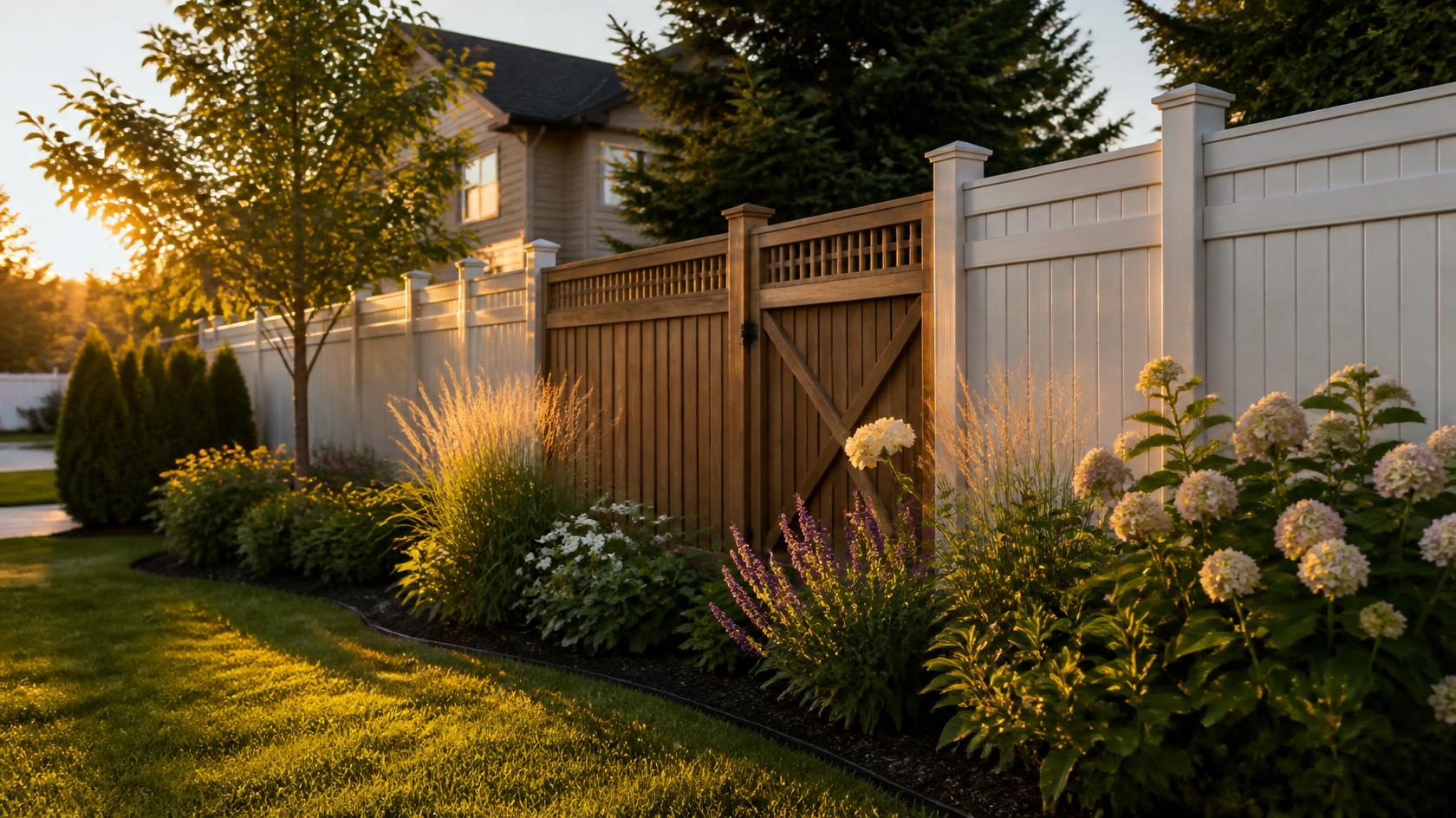
Fence installation in Hanover, WI should be planned around material durability, property use, weather exposure, gates, maintenance, and local permit requirements. Choosing the right fence material can help homeowners, rural property owners, and businesses get better long-term performance from their fence.
Why Material Choice Matters for Fence Durability
A fence is a long-term property investment. The material you choose affects how the fence looks, how much maintenance it needs, how well it handles weather, and how long it remains useful.
For property owners in Hanover, WI, durability matters because fences need to handle Wisconsin weather. Wind, rain, snow, ice, freeze-thaw cycles, humidity, and seasonal storms can all affect posts, panels, rails, gates, and hardware.
The best fence material depends on the purpose of the project. A backyard privacy fence has different needs than a rural boundary fence, commercial security fence, pet fence, pool fence, dumpster enclosure, or gate system. Planning around long-term use helps reduce repair issues and makes the fence easier to maintain over time.
Start with How the Fence Will Be Used
Before choosing a material, property owners should think about how the fence will be used every day. The strongest material is not always the best choice if it does not match the property’s needs.
A residential fence may need to provide:
Privacy
Pet or child safety
Pool enclosure support
Backyard comfort
Curb appeal
Property line definition
A rural property fence may need to provide:
Long boundary coverage
Driveway access
Equipment area protection
Garden or yard separation
Wind-resistant performance
Practical maintenance
A commercial fence may need to provide:
Security
Storage area protection
Gate access
Dumpster enclosure screening
Employee or vendor access control
Durability for daily use
Once the purpose is clear, it becomes easier to compare wood, vinyl, chain link, aluminum, and ornamental fencing.
Wood Fencing for Privacy and Natural Appeal
Wood fencing is a popular choice for property owners who want privacy and a traditional look. It can work well around backyards, patios, gardens, side yards, and areas where visual screening matters.
Wood fencing can provide strong coverage and a natural appearance. It can also be built in different styles, including privacy, shadowbox, picket, and semi-private designs.
The main durability consideration is maintenance. Wood is exposed to moisture, sun, insects, snow, and seasonal temperature changes. Over time, boards may weather, rails may shift, and posts may need attention.
To help wood fencing last longer, property owners should plan for:
Staining or sealing
Regular inspections
Replacing damaged boards
Checking posts and rails
Keeping soil and mulch away from wood where possible
Addressing storm damage early
Wood can be a strong option for privacy, but it should be chosen with long-term upkeep in mind.
Vinyl Fencing for Lower Routine Maintenance
Vinyl fencing is often chosen by property owners who want a clean appearance with less routine maintenance than wood. It does not need painting or staining and can provide strong privacy depending on the style.
Vinyl may work well for:
Residential yards
Pool areas
Managed properties
Privacy screening
Side yards
Decorative property sections
For durability, vinyl should be installed properly with strong posts and careful layout planning. Solid vinyl panels can catch wind, especially in open areas. This matters for rural or exposed properties where wind may affect long fence runs or wide panels.
Vinyl fencing is usually easy to clean and maintain, but property owners should still inspect panels, posts, and gates after storms or heavy winter weather.
Chain Link Fencing for Practical Durability
Chain link fencing is one of the most practical options for long-term durability. It is commonly used for residential yards, pet areas, commercial properties, equipment zones, storage yards, and larger properties.
Chain link is strong, visible, and useful when function matters more than full privacy. It can cover longer fence lines efficiently and can be paired with gates, locks, and access control when needed.
Chain link may be a good choice for:
Pet areas
Large yards
Rural properties
Commercial security
Equipment storage
Utility areas
Functional boundaries
Chain link does not provide full privacy on its own, but privacy slats can be added when screening is needed. For long-term performance, property owners should check for fabric tension, bent rails, leaning posts, gate alignment, and storm damage.
Aluminum and Ornamental Fencing for Appearance and Strength
Aluminum and ornamental fencing are good options when appearance, visibility, and boundary definition matter. These fences are often used near driveways, entrances, front yards, pools, commercial buildings, and public-facing areas.
They do not provide full privacy, but they create a clean and polished look while keeping the property open. This can be helpful for property owners who want security or boundary definition without blocking views.
Aluminum and ornamental fencing may be a strong long-term option because it generally requires less upkeep than wood. However, gates, posts, fasteners, and impact areas should still be inspected regularly.
This type of fencing is often a good fit when curb appeal matters as much as durability.
Fence Materials for Rural Properties
Rural properties near Hanover may need fencing that covers larger areas, handles wind exposure, and supports practical access. A rural property may not need the same material everywhere.
For example:
Chain link may work well around equipment or storage areas.
Wood may provide privacy near the home.
Vinyl may work for clean residential screening.
Ornamental fencing may improve the look of an entrance.
Wider gates may be needed for trailers, mowers, or service vehicles.
Large properties should be planned carefully because total fence footage, gate placement, terrain, and maintenance needs can affect long-term performance.
Fence Materials for Commercial Properties
Commercial properties often need fencing that supports security and daily operations. Durability is especially important because commercial fences may see more frequent gate use, vehicle traffic, deliveries, and exposure to equipment or service areas.
Commercial fence materials may include:
Chain link for security and storage yards
Wood or vinyl for screening
Ornamental fencing for public-facing areas
Heavy-duty gates for equipment or vehicle access
Access control when entry needs to be managed
A durable commercial fence should be planned around traffic flow, gate use, snow clearance, visibility, locks, and maintenance access.
Gate Durability Matters
Gates often experience more wear than fixed fence sections because they move regularly. Even a durable fence can become frustrating if the gate is poorly planned or not built for daily use.
Gate planning should include:
Gate width
Swing direction
Latch type
Lock needs
Post strength
Ground slope
Snow and ice clearance
Vehicle or equipment access
Pet or child safety needs
For residential properties, gates may need to support mowing, pets, trash bins, pool access, or backyard entry. For commercial and rural properties, gates may need to support trailers, equipment, service vehicles, deliveries, and emergency access.
Choosing durable hardware is just as important as choosing the fence material.
Property Lines and Permit Planning
Before installing a fence in Hanover, property owners should confirm the correct local requirements and review property lines. Fence projects may involve location, height, material, gates, driveway access, easements, utilities, and site layout.
Property owners should not assume that an old fence, tree line, field edge, driveway edge, or mowed area marks the true boundary. If there is uncertainty, reviewing a survey or having the property marked can help prevent disputes and layout problems.
Permit and site planning are especially important for:
New fence installation
Fence replacement
Pool fencing
Commercial fencing
Gates and access control
Long rural fence lines
Projects near roads, driveways, or shared access areas
Planning these details early helps prevent delays and avoids changing the fence layout after work begins.
Wisconsin Weather and Long-Term Fence Performance
Durability in Hanover starts with choosing a material that can handle Wisconsin weather. Wind, rain, snow, ice, freeze-thaw cycles, and seasonal storms can all affect fences.
Weather can cause:
Wood boards to weather or shift
Privacy panels to catch wind
Posts to loosen in soft soil
Gates to sag or misalign
Hardware to wear faster
Snow and ice to block gate movement
Drainage issues near posts
A long-lasting fence should include proper post installation, strong hardware, drainage awareness, and material choices suited to the property’s exposure.
Maintenance Planning by Material
Every fence needs some level of maintenance. The amount depends on the material and how the property is used.
Wood fences should be checked for loose boards, rot, weathering, and leaning posts. Vinyl fences should be cleaned and inspected for panel damage. Chain link fences should be checked for fabric tension, bent rails, and gate alignment. Aluminum and ornamental fences should be inspected for loose hardware, impact damage, and gate movement.
Regular maintenance helps extend the life of the fence and reduces the chance of small issues becoming larger repairs.
Choosing the Best Material for Your Property
The best fence material depends on what matters most to the property owner.
Choose wood if privacy and a natural look are the priority and regular maintenance is acceptable.
Choose vinyl if privacy and lower routine upkeep are important.
Choose chain link if durability, visibility, pets, security, or large-area coverage matters most.
Choose aluminum or ornamental fencing if appearance, visibility, and clean boundary definition are the main goals.
For some properties, the best solution may be a combination of materials. A homeowner may want vinyl near the backyard and chain link along a larger side area. A business may need chain link around storage and ornamental fencing near the entrance. A rural property may need durable functional fencing in one area and privacy fencing closer to the home.
Contact Dach Fence for Fence Installation in Hanover, WI
Fence installation in Hanover, WI should be planned around durability, material choice, property use, gates, permits, weather, and long-term maintenance. Whether you need wood fencing, vinyl fencing, chain link fencing, aluminum or ornamental fencing, rural fencing, residential fencing, commercial fencing, gates, access control, fence repair, or fence replacement, the right material can make the project last longer and perform better.
Dach Fence helps homeowners, rural property owners, business owners, property managers, and commercial property owners choose practical fencing solutions built for real use and Wisconsin weather.
For fence installation in Hanover, WI, contact Dach Fence today for a free estimate. Visit dachfence.net to get started.
