
Fence Installation Guide in Dixon, IL: Cost, Timeline and Material Tips
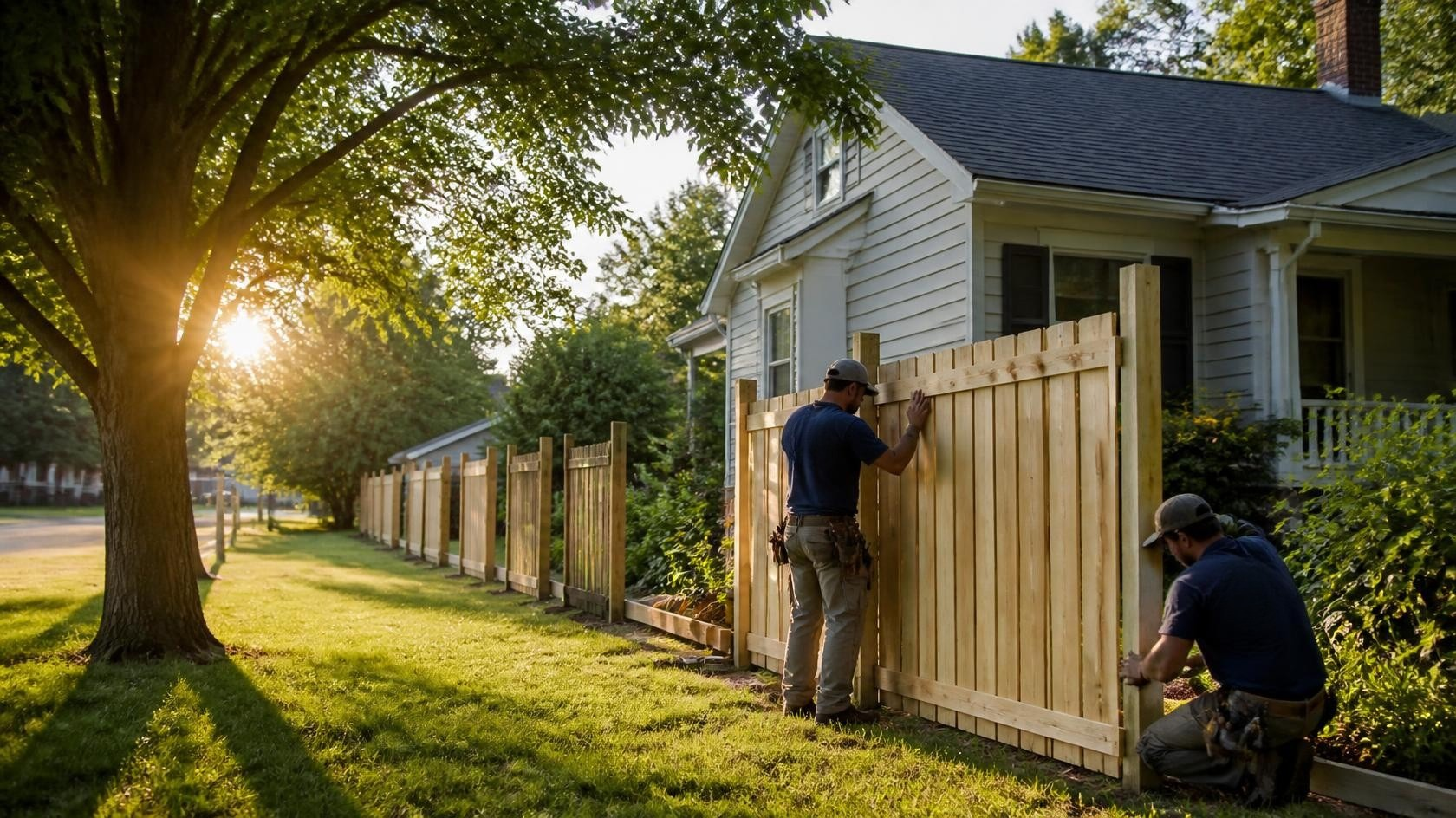
Fence installation costs and timelines in Dixon, IL depend on the material, fence length, gate design, terrain, site access, removal work, and weather. Property owners can make the process smoother by planning the layout early, comparing materials based on long-term maintenance, and identifying access, drainage, and utility issues before construction begins.
Start With the Purpose of the Fence
Before discussing cost or timeline, decide what the fence needs to accomplish.
Residential property owners may want:
Backyard privacy
Pet containment
Pool safety
Property boundary definition
Better curb appeal
Separation between outdoor spaces
Commercial property owners may need:
Perimeter security
Equipment protection
Outdoor storage
Vehicle control
Employee access
Service-area screening
The purpose affects nearly every other decision, including fence height, material, gate size, layout, and maintenance expectations.
A privacy fence will have different material and installation requirements than an open chain link fence around a larger property.
What Affects Fence Installation Cost?
There is no single cost that applies to every fence project.
Several factors influence the overall price.
Total Fence Length
Longer fence runs require more:
Posts
Panels or boards
Rails
Chain link fabric
Hardware
Labor
Property owners should decide whether the entire property needs to be fenced or only selected areas.
A homeowner may only need a backyard or pet area.
A business may only need fencing around equipment, storage, or restricted operational space.
Fence Height
Taller fencing generally requires more material and stronger support.
Height can affect:
Post size
Post depth
Rail quantity
Panel size
Wind exposure
Gate construction
Choosing a height that matches the actual purpose of the fence can keep the project practical.
Material Selection
The type of fencing is another major cost factor.
Different materials vary in:
Material price
Installation requirements
Maintenance
Appearance
Privacy
Durability
A lower initial cost does not always mean the lowest long-term cost if the material requires more frequent maintenance.
Gate Quantity and Size
Gates require more hardware, stronger posts, and additional installation work.
Cost can vary depending on:
Gate width
Height
Material
Frame design
Hinges
Latches
Locks
Automation
A property with several gates may require considerably more work than a similar fence with only one pedestrian gate.
Terrain and Site Conditions
Slopes, tree roots, soft soil, drainage areas, or uneven ground can add complexity.
The fence route may cross:
Hills
Ditches
Low areas
Existing pavement
Landscaping
Tree roots
These conditions may require layout adjustments or additional installation work.
Existing Fence Removal
If an older fence is already in place, removal and disposal may affect both cost and timeline.
The amount of work depends on:
Fence material
Total length
Post condition
Concrete footings
Vegetation
Site accessibility
Old posts set in large concrete footings may require additional labor to remove.
Compare Materials Before Choosing
Material choice should reflect privacy, appearance, maintenance expectations, and how the property will be used.
Wood Fencing
Wood is popular for residential privacy and natural appearance.
It works well around:
Backyards
Patios
Gardens
Pet areas
Outdoor living spaces
Commercial screening zones
Benefits include:
Strong visual privacy
Flexible design
Multiple height options
Natural appearance
Wood generally requires more maintenance than vinyl, chain link, or aluminum.
Rain, snow, sunlight, and seasonal temperature changes can contribute to fading, cracking, warping, or loose boards.
Periodic staining or sealing can help extend its useful life.
Vinyl Fencing
Vinyl can provide strong privacy with relatively low routine maintenance.
Benefits include:
Resistance to rot
No staining or painting
Easy cleaning
Consistent appearance
Vinyl works well around backyards, pools, patios, and selected commercial areas.
Because solid panels catch more wind, proper post support is important.
The panel layout, height, and gate design may also affect installation time.
Chain Link Fencing
Chain link is practical for residential, commercial, and larger properties.
It can work well around:
Dog areas
Large yards
Equipment storage
Commercial properties
Vehicle areas
Benefits include:
Open visibility
Lower wind resistance
Practical coverage for long runs
Compatibility with wide gates
Relatively limited maintenance
Coated chain link can provide a different appearance while maintaining the same general function.
Privacy slats may also be added in selected areas.
Aluminum and Ornamental Fencing
Aluminum and ornamental fencing can provide a defined boundary while preserving visibility.
These options may work well around:
Front yards
Pools
Driveways
Landscaped areas
Offices
Customer-facing commercial properties
Benefits include:
Open sightlines
Strong curb appeal
Decorative gate compatibility
Relatively low routine maintenance
More decorative designs or custom gates can increase project complexity.
How Long Does Fence Installation Take?
Installation time depends on much more than total fence length.
A straightforward project on open, level ground may move faster than one involving:
Several gates
Sloped terrain
Existing fence removal
Dense landscaping
Limited equipment access
Complex property boundaries
Drainage concerns
Automatic gates
Material availability and weather can also affect scheduling.
The most accurate timeline comes from a site-specific estimate.
Property Access Can Affect the Schedule
Installation crews need room to move materials and equipment.
Projects may take longer when the site includes:
Narrow side yards
Tight access between buildings
Dense landscaping
Steep slopes
Limited parking
Restricted commercial work areas
Clearing reasonable access before installation can help the project move more efficiently.
Plan Gates Before Installation
Gate planning should happen early because gates affect both cost and layout.
Homeowners may need access for:
Lawn mowers
Riding mowers
Utility trailers
Landscaping equipment
Outdoor furniture
Businesses may need room for:
Delivery trucks
Work trailers
Maintenance vehicles
Snowplows
Emergency vehicles
Installing a gate that is too narrow can lead to costly modifications later.
Consider Vehicle Turning Space
Gate width is only part of the equation.
Also consider:
Turning radius
Approach angle
Trailer length
Nearby curbs
Buildings
Landscaping
A wide gate can still be difficult to use if the approach is too tight.
Commercial properties should pay particular attention to truck and trailer movement.
Automatic Gates Require More Planning
Some commercial properties may need automated access.
Possible components include:
Gate operators
Keypads
Card readers
Remote controls
Intercom systems
Safety equipment
These systems may also require electrical preparation, manual release planning, and backup operation.
Including automation in the initial project scope helps create a more realistic budget and timeline.
Confirm Property Lines Before Scheduling
Unclear boundaries can delay installation.
Before construction:
Review an available survey
Locate known property markers
Resolve unclear areas
Check easements
Review shared access
Identify public rights-of-way
An existing fence, hedge, or tree line should not automatically be assumed to mark the legal property boundary.
Locate Underground Utilities
Fence posts require digging.
Potential underground systems include:
Electric service
Gas lines
Water lines
Sewer lines
Communication cables
Property owners should also identify private systems such as irrigation, drainage lines, or landscape lighting when possible.
Utility locations may require changes to post placement or sections of the fence route.
Review Drainage Before Building
Water and soil conditions can affect both installation and long-term performance.
Look for:
Standing water
Downspout discharge
Erosion
Soft soil
Drainage channels
Low areas
Snowmelt routes
A fence should not unnecessarily block established drainage.
Standing water near gates can also freeze during winter and interfere with operation.
Dixon Weather Can Affect the Timeline
Northern Illinois weather can influence outdoor construction.
Possible challenges include:
Heavy rain
Severe storms
Strong winds
Muddy ground
Snow
Frozen soil
Weather can occasionally delay digging, site access, or material handling.
Property owners should allow some flexibility when scheduling outdoor construction.
Think About Freeze-Thaw Cycles
Dixon’s seasonal temperature changes can affect the soil around fence posts.
Freeze-thaw movement may contribute to:
Leaning posts
Gate alignment changes
Uneven fence sections
Proper installation and drainage can help reduce these problems over time.
Plan for Snow Removal
Fence placement should account for where snow will be stored.
Avoid repeatedly pushing heavy snow against:
Fence panels
Chain link mesh
Posts
Gates
Commercial properties should plan snow storage around parking lots, loading areas, and vehicle entrances.
Automatic or sliding gates also need enough space to remain operational during winter.
Compare Complete Estimates
When comparing fence estimates, look at what is included rather than only the final price.
Review whether the estimate includes:
Fence material
Posts and rails
Gates
Hardware
Existing fence removal
Disposal
Site preparation
Specialty features
Automatic gate equipment
Two estimates may differ simply because one includes more work.
A clear scope makes comparison easier.
Consider Long-Term Maintenance Cost
Initial installation cost is only part of the total investment.
Wood may need staining, sealing, board replacement, and gate adjustments.
Vinyl generally needs cleaning and occasional inspections.
Chain link should be checked for bent mesh, loose ties, coating damage, and gate alignment.
Aluminum and ornamental fencing generally require less routine maintenance but should still be checked for damaged sections or loose hardware.
Think About Future Property Changes
A fence may remain in place for many years.
Future projects could include:
A shed
Pool
Patio expansion
Larger lawn equipment
Additional parking
Outdoor storage
Larger commercial vehicles
Building expansion
Planning enough gate width and access now can reduce future modification costs.
Review Applicable Requirements
Fence requirements may depend on property location, height, use, and placement.
Before installation, review applicable considerations involving:
Setbacks
Fence height
Driveway visibility
Pool barriers
Utility access
Public rights-of-way
Gate placement
Commercial property use
Addressing these details before ordering materials can help reduce project delays.
Plan Your Dixon Fence Installation With Dach Fence
Fence installation cost and timeline depend on the full project, including materials, fence length, gates, terrain, site access, removal work, drainage, and weather.
Dach Fence installs residential and commercial wood, vinyl, chain link, aluminum, ornamental, temporary, and security fencing. The team also provides fence repair, replacement, pool enclosures, dumpster enclosures, vehicle and pedestrian gates, and access-control solutions.
Contact Dach Fence for a free estimate and a project-specific plan for your fence installation in Dixon, IL.
