
Fence Installation in Freeport, IL: What Homeowners & Businesses Should Know
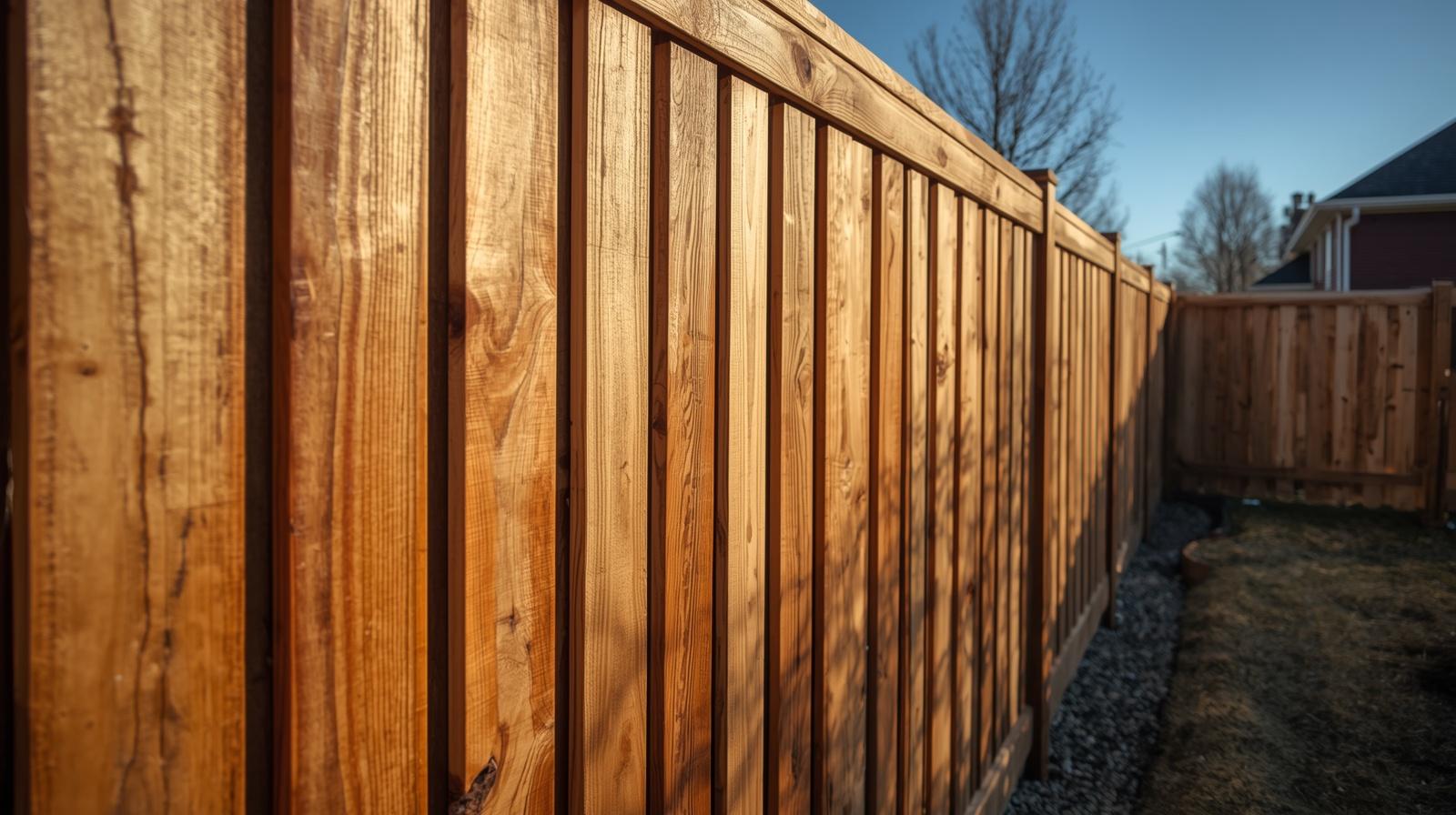
Fence installation in Freeport, IL should be planned around your property’s purpose, layout, material options, gates, budget, and long-term maintenance needs. Whether you own a home, business, rental property, or commercial site, the right fence should support privacy, security, access, and durability through Midwest weather.
Why Fence Planning Matters in Freeport, IL
A fence can do a lot for a property. For homeowners, it can create privacy, keep pets safer, define yard space, improve curb appeal, or replace an older fence that has worn down over time. For business owners and property managers, fencing can help secure equipment, control access, guide traffic, protect outdoor areas, and improve property organization.
When planning fence installation in Freeport, IL, it is important to think beyond the material alone. The best fence should fit how the property is used every day. A backyard privacy fence has different needs than a commercial chain link fence, dumpster enclosure, temporary construction fence, pool enclosure, or gated access point.
Freeport properties also need fencing that can handle Midwest conditions, including wind, rain, snow, ice, storm damage, and freeze-thaw cycles. Good planning helps the fence look better, work better, and last longer.
Start with the Purpose of the Fence
Before choosing a fence material, identify the main reason for the project. This helps guide the height, style, layout, gate placement, and budget.
Common reasons for fence installation include:
Backyard privacy
Pet or child safety
Property line definition
Pool enclosure needs
Curb appeal
Commercial security
Equipment or storage protection
Dumpster enclosures
Temporary fencing
Gate and access control planning
Fence replacement after age or storm damage
A homeowner may need a wood or vinyl privacy fence for a backyard. A business owner may need chain link fencing to secure a lot or storage area. A property manager may need fencing that balances appearance, durability, and low maintenance.
The right fence should match the real purpose of the property.
Residential Fence Installation in Freeport
For homeowners in Freeport, residential fencing often focuses on privacy, pets, safety, appearance, and daily yard use. A fence should make the home more comfortable and the yard easier to enjoy.
Residential fencing may be used for:
Backyards
Side yards
Pet areas
Pool areas
Gardens
Front yard accents
Driveway boundaries
Replacement of older fences
A wood or vinyl privacy fence may work well for a backyard near neighbors or roadways. Chain link fencing may be practical for dogs or larger yards. Aluminum or ornamental fencing may be a better fit for front yards, pool areas, or decorative boundaries where visibility matters.
Before installation, homeowners should think about property lines, gate placement, fence height, neighborhood rules, drainage, and long-term maintenance.
Commercial Fence Installation in Freeport
Commercial fencing often has different priorities than residential fencing. Business owners, facility managers, and commercial property owners may need fencing for security, access control, safety, and property management.
Commercial fencing may be used for:
Perimeter security
Storage yards
Equipment areas
Dumpster enclosures
Temporary work zones
Employee or vehicle access points
Customer or tenant boundaries
Restricted utility areas
Chain link fencing is often a practical option for commercial properties because it is durable, visible, and useful for larger areas. Ornamental fencing may be a good choice for public-facing areas where appearance matters. Gates and access control should be planned early so the fence supports daily business operations.
A commercial fence should help the property function better, not create problems for deliveries, employees, service providers, or maintenance crews.
Choosing the Right Fence Material
Fence material affects privacy, security, cost, maintenance, appearance, and durability. In northern Illinois, property owners should also consider how each material handles changing weather.
Wood Fencing
Wood fencing is a popular option for homeowners who want privacy and a traditional look. It works well for backyards, side yards, and residential spaces where a natural appearance is preferred.
Wood can be installed in several styles, including privacy, shadowbox, picket, and semi-private designs. It can also be flexible for custom layouts and yards with slopes or unique shapes.
The main consideration is maintenance. Rain, snow, ice, humidity, sun exposure, and freeze-thaw cycles can affect wood over time. Boards may weather, expand, contract, or shift. Staining, sealing, and occasional repairs can help protect the fence.
Wood may be a good fit if privacy and classic appearance are important and you are comfortable with routine upkeep.
Vinyl Fencing
Vinyl fencing is often chosen by homeowners who want a clean look with lower maintenance. It does not need painting or staining and can provide strong privacy depending on the style.
Vinyl fencing works well for backyards, side yards, and pool enclosures. It can also handle moisture well when properly installed.
For Freeport properties, proper installation is important because solid vinyl panels can catch wind. Posts need to be set correctly, and panels should be installed with seasonal temperature changes and freeze-thaw movement in mind.
Vinyl may be a strong choice for homeowners who want privacy, curb appeal, and less routine maintenance than wood.
Chain Link Fencing
Chain link fencing is practical, durable, and commonly used for both residential and commercial properties. It is often selected for pet areas, larger yards, storage areas, business perimeters, equipment lots, and temporary fencing.
Chain link does not provide full privacy on its own, but privacy slats can be added when more coverage is needed. For commercial properties, chain link can also be paired with gates, locks, and access control features when relevant.
This material is often a strong option when function, visibility, security, and cost control matter.
Aluminum and Ornamental Fencing
Aluminum and ornamental fencing are good options when appearance, visibility, and boundary definition are important. These fences are commonly used around front yards, pools, driveways, commercial entrances, and public-facing areas.
They do not provide full privacy, but they offer a polished look while still defining the property. Aluminum and ornamental fencing are generally lower maintenance than wood and can hold up well through Midwest weather.
This option may be a good fit for homeowners or businesses that want a clean, professional appearance without fully closing off the view.
Planning Gates and Access Points
Gates are one of the most important parts of a fence project. A fence may look good and be well-built, but if the gate is too narrow or poorly placed, the layout can become frustrating.
For residential properties, gates may be needed for:
Mowing
Pets
Backyard access
Trash bins
Pool areas
Garden areas
Service workers
Larger equipment or trailers
For commercial properties, gates may need to support:
Deliveries
Employee access
Service vehicles
Equipment movement
Restricted areas
Customer or tenant traffic
Access control systems
When planning gates, consider the width, swing direction, latch type, lock options, slope near the gate, and clearance for snow and ice. In Freeport winters, proper gate spacing and alignment can help reduce seasonal issues.
Property Lines, Permits, and Local Rules
Before starting fence installation in Freeport, property owners should review property lines, easements, local requirements, and any HOA or neighborhood rules.
Fence height, location, front yard fencing, corner lots, and pool enclosures may be subject to local requirements. Commercial properties may also need additional planning based on visibility, safety, traffic flow, and site use.
Confirming property lines before installation helps avoid neighbor disputes and incorrect fence placement. If the boundary is unclear, reviewing a survey or having the property marked can help prevent problems.
Midwest Weather and Fence Durability
Fence installation in Freeport should account for northern Illinois weather. Wind, snow, ice, rain, freeze-thaw cycles, storm damage, and seasonal wear can all affect how a fence performs over time.
Strong winds can stress panels, rails, posts, and gates. This is especially important for solid privacy fences, which catch more wind than open fence styles.
Snow and ice can build up along fence lines and near gates. Rain can soften soil and affect drainage around posts. Freeze-thaw cycles can cause ground movement, which may affect post stability if the fence is not installed properly.
Storm damage can also loosen boards, bend rails, damage chain link fabric, or affect gate alignment. Property owners should inspect fences after severe weather and address small issues early.
Good installation, proper post depth, quality hardware, drainage awareness, and material selection all help a fence perform better through changing seasons.
Cost Factors to Consider
Fence installation cost depends on the details of the project. Material is a major factor, but several other items can affect the final estimate.
Common cost factors include:
Fence material
Fence height
Total linear footage
Number and size of gates
Gate hardware
Old fence removal
Property slope
Soil and drainage conditions
Layout complexity
Decorative features
Pool enclosure requirements
Commercial security needs
Access control requirements
Permit or HOA requirements
A small residential chain link fence will usually have different cost considerations than a full backyard privacy fence, vinyl fence, ornamental fence, dumpster enclosure, or commercial security fence.
The most accurate way to understand cost is to request an estimate based on the actual property layout and project goals.
Fence Repair or Fence Replacement
If your property already has a fence, you may be deciding whether repair or replacement makes more sense.
Fence repair may be the better option when damage is limited to a few boards, posts, rails, or gate parts. This can happen after storms, winter wear, or normal aging.
Fence replacement may be more practical when the fence is leaning, unstable, damaged across several sections, or no longer meets your needs. If repairs are becoming frequent, a new fence may provide better long-term value.
A professional review can help determine which option makes the most sense for your property.
Maintenance After Fence Installation
Maintenance helps protect your fence and extend its life. The level of upkeep depends on the material.
Wood fences should be checked for loose boards, weathering, moisture damage, and staining or sealing needs. Vinyl fences should be cleaned as needed and inspected for impact damage. Chain link fences should be checked for fabric tension, rails, posts, and gate hardware. Aluminum and ornamental fences should be inspected for alignment, loose hardware, and storm damage.
Helpful maintenance habits include:
Inspecting after storms and high winds
Keeping landscaping trimmed away from the fence line
Avoiding soil or mulch buildup against fence materials
Checking gates before winter
Watching for leaning posts
Fixing small problems early
Keeping drainage away from fence posts when possible
Routine maintenance can help your fence stay stronger through Midwest weather and daily use.
What to Expect During Installation
A fence installation project usually begins with a property review and estimate. From there, the property owner chooses the material, style, height, and layout.
A typical process may include:
Reviewing the property and fence goals
Choosing the fence material and style
Planning the layout and gates
Checking property lines and local requirements
Scheduling the installation
Removing old fencing if needed
Setting posts
Installing panels, rails, fabric, or pickets
Installing gates and hardware
Final walkthrough
Weather, material availability, permits, site conditions, and old fence removal can affect the timeline. Planning ahead is especially helpful during busy spring, summer, and fall seasons.
Contact Dach Fence for Fence Installation in Freeport, IL
A good fence should fit the property, support everyday use, and hold up through Midwest weather. Whether you need residential fencing, commercial fencing, wood fencing, vinyl fencing, chain link fencing, aluminum or ornamental fencing, temporary fencing, a pool enclosure, dumpster enclosure, gates, access control, fence repair, or fence replacement, the right plan makes a difference.
Dach Fence helps homeowners, business owners, property managers, and commercial property owners choose practical fencing solutions built for real needs.
For fence installation in Freeport, IL, contact Dach Fence today for a free estimate. Visit dachfence.net to get started.
