
Fence Installation in Byron, IL: How to Plan Around Slopes & Property Layout
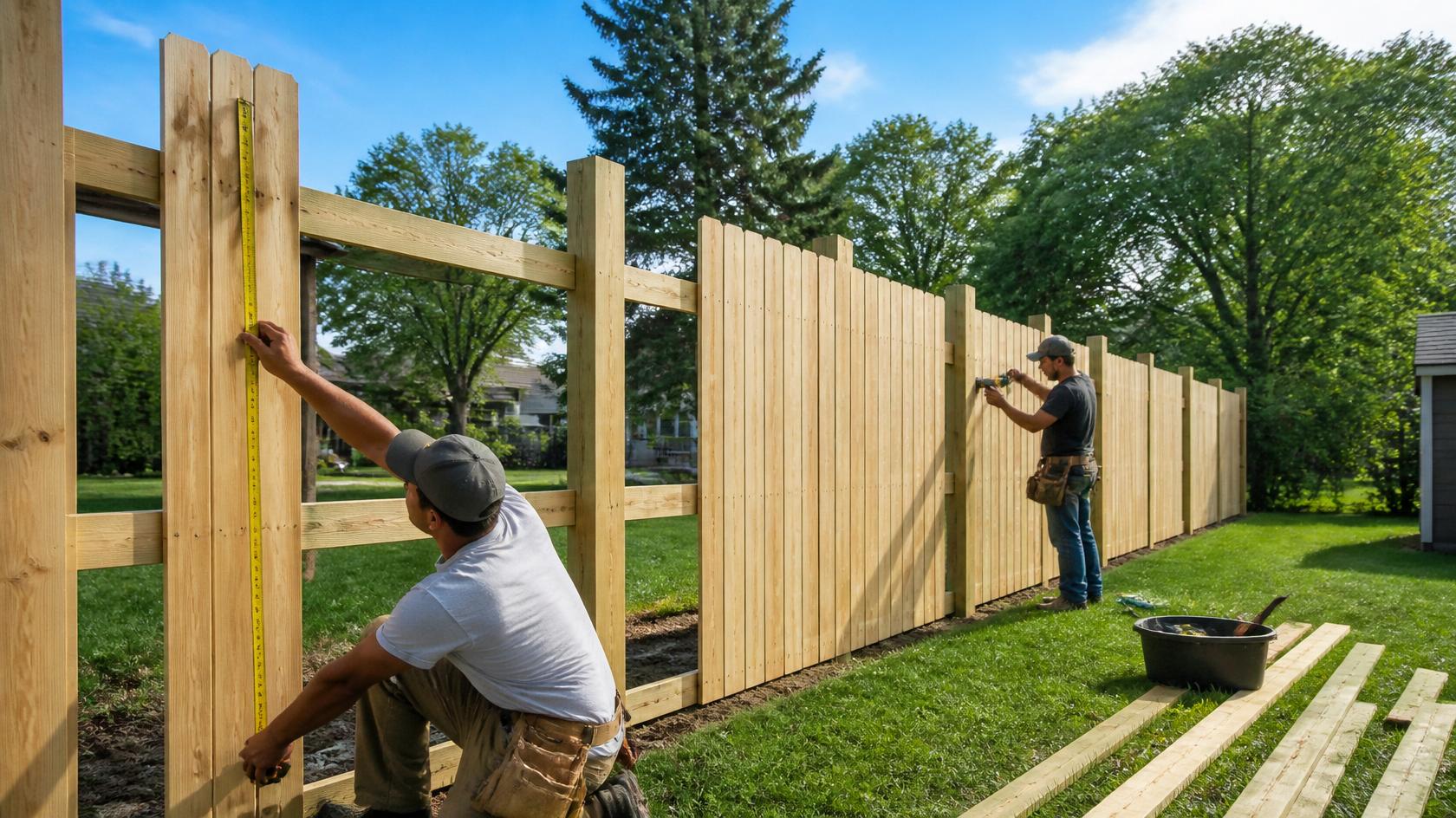
Fence installation in Byron, IL should be planned around property layout, slopes, drainage, gates, materials, property lines, permits, and long-term maintenance. A well-planned fence can follow the shape of the property while still supporting privacy, safety, security, and daily access.
Why Slopes and Layout Matter for Fence Installation
Not every property is flat. Some yards have gentle slopes, uneven ground, drainage paths, raised areas, low spots, tree roots, or irregular property lines. These details can affect how a fence looks, how gates operate, and how well the fence performs over time.
For property owners in Byron, IL, planning around slopes and layout should happen before installation begins. A fence that is installed without reviewing the property’s shape may create gaps, uneven sections, difficult gates, or drainage problems.
Whether the project is a backyard privacy fence, pet fence, pool fence, chain link fence, commercial security fence, rural property fence, gate installation, or fence replacement, the layout should match the property’s real conditions.
Start with the Purpose of the Fence
Before choosing a layout or material, decide what the fence needs to accomplish. The purpose affects height, material, gate placement, and how the fence should follow the ground.
Common reasons for fence installation include:
Backyard privacy
Pet or child safety
Pool enclosure planning
Property line definition
Garden protection
Curb appeal
Commercial security
Equipment or storage protection
Dumpster enclosure screening
Gate and access control
Fence replacement after age or storm damage
A privacy fence on a slope has different planning needs than a chain link fence around a commercial yard. A pet fence may need fewer ground gaps, while a decorative fence may focus more on appearance.
Review the Full Property Layout
Fence layout determines where the fence will go, how much material is needed, where gates should be placed, and how the property will function after installation.
Before installation, property owners should review:
Which areas need to be enclosed
Whether the fence will follow the full property line
Whether only part of the yard needs fencing
Where the slope begins and ends
Where gates should be located
Whether the fence connects to a house, garage, or existing fence
Whether the layout affects mowing, pets, deliveries, or service access
Whether the fence is near sidewalks, driveways, roads, or drainage areas
A clear layout helps the contractor understand the project and plan for any slope or access challenges before work begins.
Confirm Property Lines Before Installation
Property lines are always important, but they become even more important on sloped or irregular lots. A fence should be installed in the correct location and should not create problems with neighbors, easements, driveways, roads, sidewalks, or drainage paths.
Property owners should not assume that an old fence, tree line, landscaping border, field edge, driveway edge, or mowed area marks the true boundary. If there is uncertainty, reviewing a survey or having the property marked can help prevent disputes and layout changes.
This is especially important when replacing an old fence, installing along a long side yard, working near a hill, or placing gates close to a driveway.
Understand How Fences Follow Slopes
There are two common ways to plan fencing on sloped ground: stepping and following the grade.
A stepped fence uses sections that remain level while each panel steps up or down with the slope. This can create a clean, structured look, but it may leave small gaps under sections depending on the ground.
A fence that follows the grade is installed to better match the slope of the land. This can reduce gaps and may look more natural on certain properties.
The best approach depends on the fence material, slope, privacy needs, pet safety, and appearance goals. A steep slope may need more planning than a gentle grade.
Watch for Ground Gaps
Ground gaps are one of the biggest concerns when installing a fence on a slope. Gaps can affect privacy, pet containment, security, and appearance.
Ground gaps may be more noticeable when:
The yard slopes sharply
The fence uses rigid panels
The ground is uneven
The fence crosses a drainage area
The property has dips or low spots
The project involves pets or children
If pets will use the yard, ground gaps should be discussed early. A fence may need layout adjustments, closer ground clearance, or a different material to help reduce escape points.
Plan Gates Carefully on Sloped Ground
Gates can be more difficult on sloped properties. A gate needs enough clearance to open and close properly, but it should not leave a large gap underneath or drag on the ground.
Gate planning should include:
Gate width
Swing direction
Ground slope
Latch placement
Post strength
Snow and ice clearance
Mower or equipment access
Vehicle or trailer access
Pet safety concerns
On some sloped properties, a gate may work better in a flatter section of the yard. For commercial properties, gate placement should also account for vehicle turning space, delivery access, and emergency access.
Drainage and Stormwater Considerations
Drainage is an important part of fence planning. A fence should not block the natural flow of water across the property. If a fence crosses a swale, low spot, or drainage path, the layout may need adjustments.
Before installation, property owners should look for:
Low areas where water collects
Swales or drainage paths
Soft or muddy ground
Areas where water flows after rain
Erosion near slopes
Downspout discharge areas
Snowmelt patterns
Good drainage planning helps protect fence posts and reduces the chance of water-related issues after installation.
Choosing the Right Fence Material for Sloped Properties
Fence material affects how easily a fence can handle slopes, layout changes, maintenance, and weather exposure.
Wood Fencing
Wood fencing is often chosen for privacy and a traditional appearance. It can work well on many sloped properties, but the layout should be planned carefully to manage panel alignment and ground gaps.
Wood provides strong screening, but it requires maintenance. Rain, snow, humidity, sun exposure, and freeze-thaw cycles can affect boards, posts, and rails over time.
Vinyl Fencing
Vinyl fencing offers a clean look with lower routine maintenance than wood. It can provide privacy, but rigid panels may need careful planning on uneven or sloped ground.
Solid vinyl panels can also catch wind, especially in open areas. Proper post installation and layout planning are important for long-term performance.
Chain Link Fencing
Chain link fencing is practical for slopes, pets, large yards, commercial properties, and functional boundaries. It can often adjust to changes in grade more easily than some rigid panel systems.
Chain link does not provide full privacy by itself, but privacy slats can be added when screening is needed. It is often a strong option when durability, visibility, and cost control matter.
Aluminum and Ornamental Fencing
Aluminum and ornamental fencing can work well where appearance and visibility matter. These fences are often used near driveways, pools, front yards, entrances, and commercial spaces.
On sloped ground, spacing and panel style should be reviewed so the fence looks clean and functions properly.
Residential Layout Considerations
For homeowners, slope and layout planning often affects privacy, pets, mowing, gates, and curb appeal.
Homeowners should think about:
Where privacy is most important
Whether pets need a secure enclosed area
Whether the slope creates gaps
Where gates will be easiest to use
How the fence will look from the street
Whether drainage crosses the yard
How mowing access will work after installation
A residential fence should make the yard more comfortable without creating difficult access points or maintenance problems.
Commercial Layout Considerations
Commercial properties may need fencing for security, storage, traffic flow, equipment protection, or access control. Slopes and uneven ground can affect gate operation, vehicle movement, and fence stability.
Business owners should consider:
Where employees enter and exit
How deliveries are handled
Whether trucks or trailers need gate access
Where equipment or materials are stored
Whether dumpsters need screening
Whether access control is needed
How the fence affects parking and service areas
A commercial fence should improve security without making daily operations harder.
Permit and Site Plan Planning
Fence installation in Byron should include permit and site planning before work begins. Property owners should confirm current local requirements for fence location, height, material, property lines, drainage, gates, and site drawings.
A helpful site plan may show:
Fence location
Fence height
Fence material
Gate placement
Property lines
Existing buildings
Driveways and sidewalks
Sloped areas
Drainage paths
Easements or utility areas
Permit planning is especially important for new fences, replacement fences, pool fencing, commercial fencing, gates, dumpster enclosures, and projects near roads, sidewalks, driveways, drainage easements, or utility easements.
Midwest Weather and Long-Term Durability
Fences in Byron need to handle Midwest weather. Wind, rain, snow, ice, storms, freeze-thaw cycles, and seasonal wear can affect posts, panels, gates, hinges, and latches.
Sloped properties may also experience water runoff, erosion, and shifting soil in certain areas. Snow and ice can build up near gates. Rain can soften soil around posts. Freeze-thaw cycles can affect alignment over time.
A durable fence should include proper post installation, strong hardware, drainage awareness, and materials suited for the property’s exposure.
Maintenance Planning
Maintenance should be considered before choosing a fence material. Wood fences may need staining, sealing, and board repairs. Vinyl fences should be cleaned and checked for panel damage. Chain link fences should be inspected for fabric tension, bent rails, and gate alignment. Aluminum and ornamental fences should be checked for loose hardware and impact damage.
On sloped properties, property owners should also watch for erosion, water pooling, soil movement, and gaps that change over time.
Gates usually need the most attention because they move often. Hinges, latches, locks, and posts should be checked regularly to keep gates working properly.
Contact Dach Fence for Fence Installation in Byron, IL
Fence installation in Byron, IL should be planned around slopes, property layout, drainage, gates, materials, property lines, permits, weather, and long-term maintenance. Whether you need wood fencing, vinyl fencing, chain link fencing, aluminum or ornamental fencing, pool fencing, dumpster enclosures, gates, access control, fence repair, or fence replacement, the right layout can make the project smoother and more durable.
Dach Fence helps homeowners, business owners, property managers, and commercial property owners choose practical fencing solutions built for real use and Midwest weather.
For fence installation in Byron, IL, contact Dach Fence today for a free estimate. Visit dachfence.net to get started.
