
Fence Installation Before Winter in Beloit, WI: What Property Owners Should Know
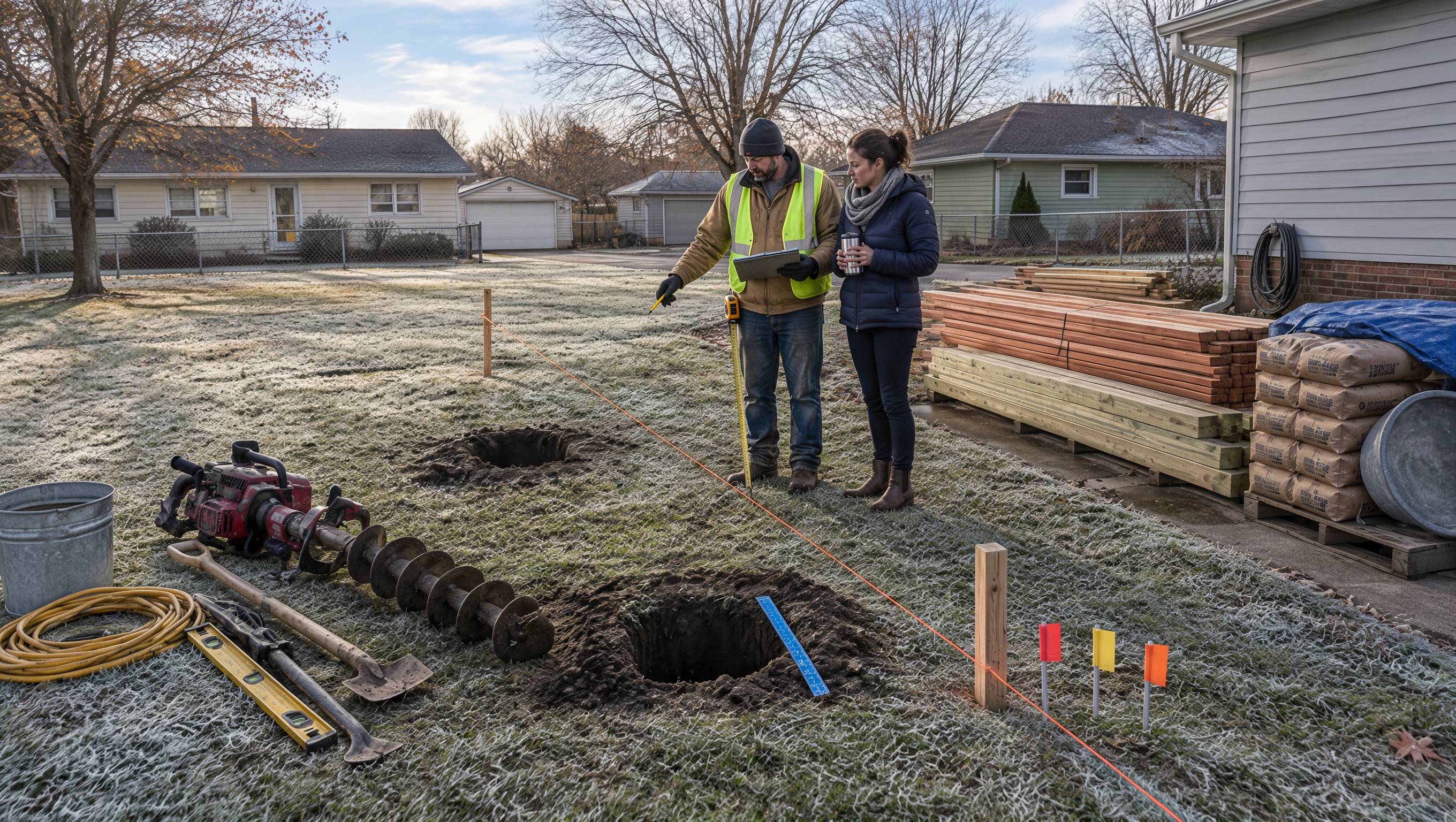
Fence installation before winter in Beloit, WI, can still be practical when ground conditions, weather, access, and site preparation are suitable. Property owners should finalize the layout, choose the right material, review drainage, plan gates and snow storage, and allow some schedule flexibility as colder weather moves in.
Is It Too Late to Install a Fence Before Winter?
Not necessarily.
By November, Wisconsin weather becomes less predictable, but that does not automatically rule out fence installation.
The bigger questions are:
Is the ground workable?
Is the site accessible?
Has the layout been finalized?
Are drainage problems under control?
Can the project allow for weather delays?
A late-season fence project should be planned around actual site conditions rather than the calendar alone.
Start With the Purpose of the Fence
Before choosing materials, decide what the fence needs to accomplish.
Common goals include:
Privacy
Pet containment
Pool separation
Property definition
Commercial security
Gate access
The purpose affects height, material, layout, and gate placement.
A fence planned around one clear goal is usually easier to design than one trying to solve several unrelated problems at once.
Choose the Material Carefully
Different materials work well for different properties.
Wood
Wood is often chosen for privacy and a traditional appearance.
It may work well around:
Backyards
Patios
Side yards
Homeowners should also consider ongoing maintenance for moisture, cracking, and surface wear.
Vinyl
Vinyl can provide privacy with relatively low routine surface maintenance.
It does not typically need painting or staining.
Solid vinyl panels catch more wind than open fencing, so exposed properties should be planned carefully.
Chain Link
Chain link can be practical for:
Dogs
Larger yards
Utility areas
Commercial properties
Its open design provides visibility and airflow.
Aluminum or Ornamental Fencing
These options may fit areas where appearance and visibility are priorities.
They can work well around:
Front yards
Pools
Landscaped areas
Commercial entrances
The right material should fit the property rather than simply being chosen by price.
Confirm the Fence Layout
Walk the proposed fence line before installation.
Review:
Corners
Gates
Driveways
Walkways
Trees
Landscaping
Sheds
Slopes
Do not assume a new fence needs to follow an old fence line exactly.
A new installation is a good opportunity to improve privacy, access, or traffic flow.
Understand the Property Lines
Property boundaries should be understood before posts are installed.
Do not rely only on:
Old fencing
Hedges
Mowing patterns
Landscaping edges
If the new fence will run close to a boundary, resolve uncertainty before installation.
Moving a finished fence is much more difficult than adjusting the plan beforehand.
Review Applicable Requirements
Depending on the property and project, requirements may apply to:
Fence height
Placement
Setbacks
Visibility
Pool enclosures
These should be reviewed before materials and gate locations are finalized.
Late-season projects have less room for redesigns, so early planning matters.
Check Drainage Before Installation
Drainage is especially important before winter.
Look for:
Standing water
Mud
Erosion
Downspout runoff
Low spots
Wet soil can affect post stability.
Freeze-thaw cycles may also make existing ground movement more noticeable.
If one part of the yard stays wet after rain, it should be considered before post locations are finalized.
Pay Attention to Ground Conditions
The ground may become more difficult to work with as temperatures fall.
Possible late-season conditions include:
Saturated soil
Mud
Frost
Frozen ground
Early snow
Installation timing should depend on what the site is actually like.
A realistic schedule should allow flexibility if the ground becomes unsuitable.
Clear the Fence Line
Before installation, remove or move:
Leaves
Brush
Vines
Yard furniture
Stored materials
Equipment
A clear fence line makes it easier to identify:
Roots
Low spots
Erosion
Uneven ground
It can also make installation more efficient.
Trim Vegetation
Shrubs and branches should not interfere with the fence line.
Trim vegetation that may:
Block post locations
Push against panels
Interfere with gates
Hide drainage problems
Late fall can be a good time to see the property more clearly after seasonal growth has slowed.
Review Trees and Roots
Large roots can affect post placement.
Check for:
Exposed roots
Trees close to the boundary
Low branches
Areas where roots may conflict with the planned fence
A small layout adjustment may be better than forcing a fence through a difficult root zone.
Plan Gate Locations Early
Gate placement affects how convenient the fence will be every day.
Think about access to:
Driveways
Garages
Patios
Side yards
Gardens
For commercial properties, also consider:
Deliveries
Service vehicles
Employee access
A gate should be located where people and equipment actually need to move.
Choose the Right Gate Width
Gate width should fit the property's use.
Consider whether the opening needs to accommodate:
Riding mowers
Trailers
Utility carts
Landscaping equipment
Commercial vehicles
A standard walk gate may not be enough for larger equipment.
Choosing the right width before installation can prevent expensive changes later.
Plan for Winter Gate Clearance
A gate installed in November must still work after snow and ice arrive.
Check for enough clearance over:
Grass
Gravel
Pavement
Sloped ground
A gate that barely clears the surface now may start dragging after frost movement or snow buildup.
Think About Snow Storage
Fence layout should work with snow removal.
Before installation, identify where snow is usually:
Shoveled
Blown
Plowed
Piled
Avoid placing important gates directly in regular snow storage areas.
Heavy snow should also not be pushed repeatedly against vulnerable fence sections.
Consider Wind Exposure
Wind matters most with solid privacy fencing.
Long wood or vinyl runs near:
Open fields
Large yards
Exposed property lines
may receive more pressure.
Post support and layout should account for that exposure.
Open chain link and ornamental fencing allow more airflow.
Plan Around Slopes
Uneven ground can affect:
Panel alignment
Bottom gaps
Post placement
Gate clearance
A sloped yard may require a different approach than a level property.
Discuss how elevation changes will be handled before installation begins.
Existing Fence Removal Can Affect Timing
If an old fence needs to be removed, that becomes another part of the project.
Removal may include:
Boards
Panels
Rails
Chain link fabric
Posts
Concrete
Gates
Ask whether removal, hauling, and disposal are included in the estimate.
Old concrete footings can add time to a late-season replacement project.
Do Not Remove an Existing Fence Too Early
The old fence may still provide:
Pet containment
Privacy
Pool separation
Commercial security
Coordinate removal with the new installation whenever possible.
Leaving the property open longer than necessary can create avoidable problems.
Plan Temporary Containment if Needed
Some properties may need temporary fencing during installation.
This can be useful for:
Pets
Equipment
Commercial storage
Restricted zones
If temporary security is important, include it in the project plan before work begins.
Consider Commercial Access Needs
Businesses need to think about how installation may affect daily operations.
Review:
Employee entrances
Customer access
Deliveries
Parking
Loading zones
Larger commercial projects may benefit from phased installation so critical access remains available.
Compare Estimates by Scope
Do not compare only the final number.
Make sure each estimate includes the same:
Material
Fence height
Total footage
Gates
Removal work
Site preparation
Cleanup
If the project includes temporary fencing or access control, those details should also be clear.
A lower price may simply include less work.
Ask What Could Affect the Schedule
Late-season projects may change because of:
Heavy rain
Mud
Snow
Frozen ground
Material availability
Property owners should understand what conditions could pause or delay the work.
A realistic contractor should account for seasonal uncertainty rather than promise a weather-independent timeline.
Prepare for Installation Day
Before work begins:
Clear the fence line
Move vehicles if necessary
Relocate yard equipment
Confirm gate locations
Review the layout
Keep access routes open
Good preparation can help make the most of workable late-fall weather.
Use a Before-Winter Installation Checklist
Before moving forward, confirm that:
The fence purpose is clear
Material is selected
Property lines are understood
Applicable requirements are reviewed
Drainage is checked
Gates are planned
Snow storage is considered
The fence line is clear
Removal work is understood
The schedule allows weather flexibility
This helps reduce last-minute changes.
Install With Winter Conditions in Mind
Fence installation before winter in Beloit can still work when the site, ground, and project plan are ready.
The most important steps are choosing the right material, confirming the layout, reviewing drainage, planning gates and snow storage, and allowing some scheduling flexibility as weather changes.
Dach Fence provides residential and commercial fence installation, repair, replacement, gates, wood fencing, vinyl fencing, chain link fencing, aluminum or ornamental fencing, temporary fencing, and access control when relevant.
If you are planning fence installation in Beloit, WI, before winter, contact Dach Fence for a free estimate based on your property, layout, and site conditions.
