
Fence Installation Before Snow in Monroe, WI: What to Prepare Now
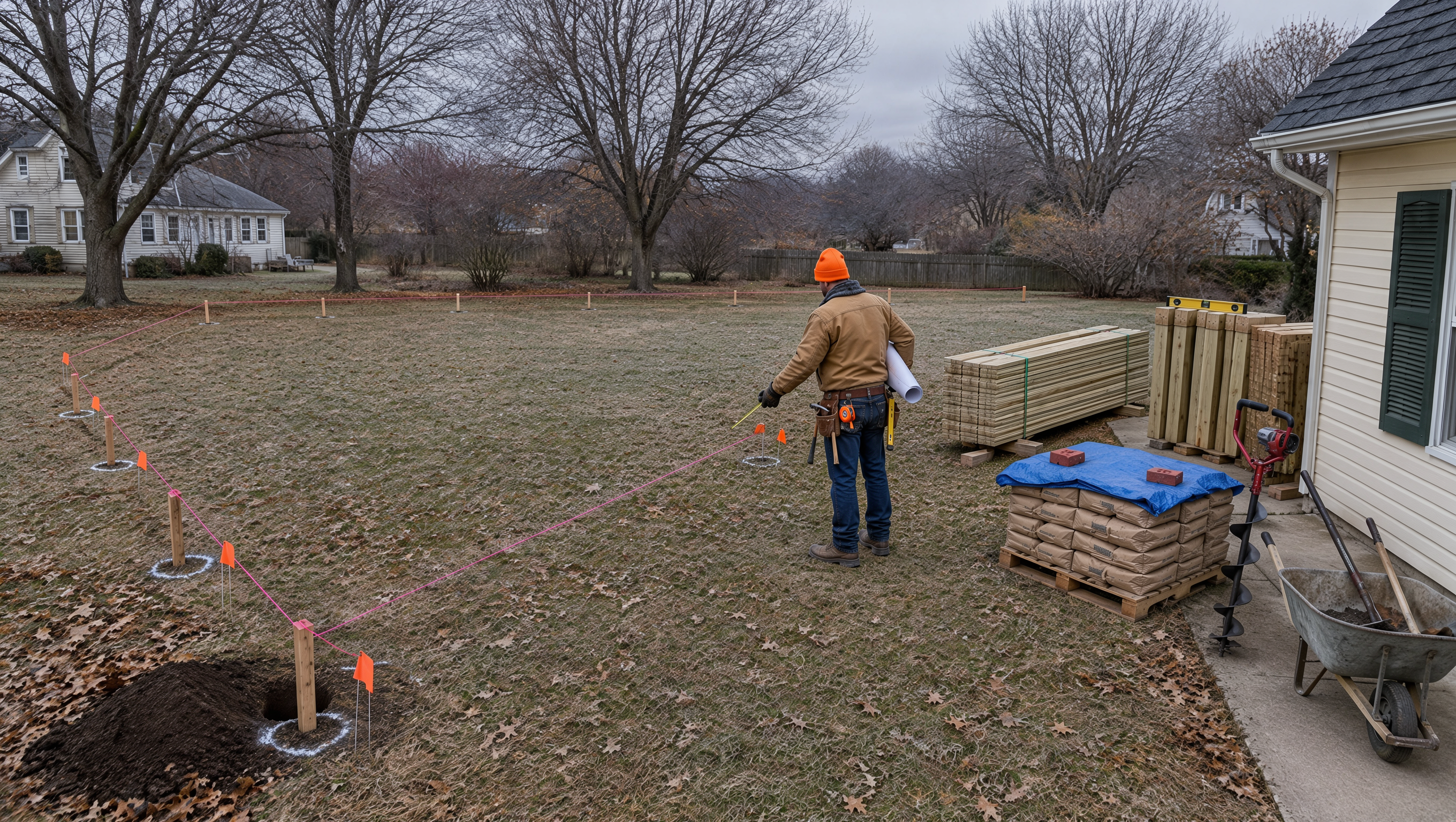
If you are planning fence installation in Monroe, WI, before winter, fall preparation can make the project easier to schedule and install. Property owners should confirm the layout, property lines, gate locations, drainage, site access, material choice, and any removal work before snow and frozen ground create additional challenges.
Why Fall Preparation Matters
Fence installation before winter can still be practical, but timing becomes more important as temperatures drop.
Late-season projects may be affected by:
Heavy rain
Muddy ground
Early snow
Frozen soil
Strong wind
Shorter daylight hours
Freeze-thaw cycles
For Monroe homeowners and property managers, preparing the site early can help reduce avoidable delays.
A clear plan also makes it easier to determine whether installation should move forward before winter or be scheduled for a better weather window.
Start With a Clear Fence Purpose
Before choosing a material or layout, decide what the fence needs to do.
Common goals include:
Privacy
Pet containment
Pool enclosure
Property separation
Commercial security
Equipment protection
Decorative boundaries
The purpose affects nearly every other decision.
A privacy fence may need different height and wind considerations than a chain link fence used for pets or commercial perimeter control.
Knowing the main goal first helps keep the rest of the project focused.
Confirm the Property Lines
Property boundaries should be understood before installation begins.
Do not assume that an old fence, hedge, mowing line, or landscaping edge marks the exact boundary.
Before posts are installed, review the property information available to you and resolve any uncertainty.
This can help prevent:
Layout changes
Neighbor disputes
Fence relocation
Delays after materials arrive
Property-line questions are easier to address while the yard is still visible and accessible.
Walk the Proposed Fence Line
Take time to walk the full route of the planned fence.
Look for:
Trees
Roots
Shrubs
Slopes
Low spots
Utility areas
Existing posts
Sheds
Garages
Drainage paths
These features can affect installation.
Once snow covers the property, some obstacles become more difficult to see.
Fall is a useful time to identify them before work begins.
Decide on Gate Locations Early
Gate placement affects how practical the fence will be every day.
Think about how people and equipment move through the property.
Possible gate locations include:
Side yards
Driveways
Walkways
Backyard paths
Commercial entrances
Garden areas
A poorly located gate may create inconvenience long after installation is complete.
That is why gate planning should happen before posts are set.
Choose the Right Gate Width
Gate width should match what needs to pass through the opening.
A smaller gate may be enough for people and pets.
A wider gate may be useful for:
Riding mowers
Landscaping equipment
Trailers
Utility vehicles
Snow removal equipment
For commercial properties, delivery trucks or service vehicles may also affect the required width.
Planning correctly now can prevent expensive changes later.
Think About Winter Gate Clearance
A gate that works well in fall may have less clearance once snow and ice arrive.
Swing gates need enough room through their entire opening path.
Sliding gates need a clear travel area.
Check for:
Uneven ground
Gravel buildup
Slopes
Low spots
Areas where snow tends to collect
Winter access should be part of the original layout.
Choose the Fence Material Before Weather Gets Worse
Material selection can affect both installation planning and long-term maintenance.
Wood Fencing
Wood is commonly used for privacy and traditional residential fencing.
It can provide strong screening but generally requires more routine maintenance.
Before winter, wood fencing should be planned with moisture, wind, and long-term upkeep in mind.
Vinyl Fencing
Vinyl offers privacy with relatively low surface maintenance.
Solid panels catch more wind than open fencing, so proper post support is important.
Careful handling is also important during colder conditions.
Chain Link Fencing
Chain link is practical for:
Pet containment
Large yards
Commercial perimeters
Equipment areas
Storage zones
Its open design allows more airflow and generally creates less wind resistance than solid fencing.
Aluminum or Ornamental Fencing
Aluminum or ornamental fencing works well where visibility and appearance are priorities.
It may be used around:
Front yards
Pools
Landscaped areas
Commercial entrances
The right choice depends on the property rather than winter conditions alone.
Consider Wind Exposure
Fall and winter storms can place significant pressure on solid fencing.
Look at whether the proposed fence line is exposed to:
Open fields
Long property boundaries
Large gaps between buildings
Windy corners
Wood and vinyl privacy fences create more resistance than chain link or ornamental fencing.
That does not mean solid fencing should be avoided.
It means support and layout become especially important.
Check Drainage Before Installation
Heavy fall rain can reveal drainage problems quickly.
Walk the planned fence line after rain and look for:
Standing water
Mud
Erosion
Low areas
Downspout runoff
Fence posts depend on stable ground.
If water regularly collects around the proposed post locations, drainage should be considered before installation.
Ignoring the problem can contribute to future post movement.
Watch for Freeze-Thaw Areas
Wet soil may freeze and thaw repeatedly as winter approaches.
This can make certain parts of the property less stable.
Pay attention to:
Low spots
Sloped ground
Drainage channels
Areas that stay muddy
These conditions may affect installation timing and long-term fence stability.
Fall gives property owners a chance to identify problem areas before the ground becomes fully frozen.
Clear Vegetation and Debris
The planned fence line should be accessible before installation.
Remove or trim:
Brush
Tall weeds
Vines
Fallen branches
Heavy leaf buildup
This helps make the layout easier to see.
It also gives installers better access to the fence route.
If tree roots or large shrubs interfere with the planned line, decide how they will be handled before work begins.
Plan Around Existing Landscaping
A new fence should not make yard maintenance unnecessarily difficult.
Review nearby:
Flower beds
Trees
Shrubs
Decorative edging
Garden areas
Leave enough room where possible for future trimming and maintenance.
Plants growing tightly against the fence can trap moisture and make repairs harder later.
Decide Whether the Old Fence Needs Removal
If an existing fence is already in place, determine whether it needs to be:
Removed
Partially removed
Repaired
Incorporated into the new layout
Old fence removal can add time to the project.
Posts and concrete may take more effort to remove once the ground becomes frozen.
Making this decision early can improve scheduling.
Clear Access for Installation Equipment
Crews need a practical route to the fence line.
Before work begins, check whether access is blocked by:
Vehicles
Outdoor furniture
Stored equipment
Trailers
Landscaping materials
Commercial properties may also need to coordinate employee parking, deliveries, or loading areas.
Good site access can help installation move more efficiently.
Review Local Requirements
Fence projects may be subject to requirements involving:
Height
Placement
Setbacks
Visibility
Property lines
Pool enclosures
These details should be reviewed before installation.
Late-season projects have less flexibility for delays, so resolving requirements early is especially useful.
Think About Snow Removal Before the Fence Is Installed
Fence placement can affect how snow is handled all winter.
Consider:
Plow routes
Snowblower paths
Snow storage areas
Driveway access
Gates
Avoid placing a vulnerable section where heavy snow is routinely pushed.
Compacted snow can put pressure on panels, rails, and posts.
It may also block gates.
Commercial Properties Need Extra Winter Planning
Commercial fence installation may need to account for:
Customer traffic
Employee entrances
Delivery vehicles
Loading areas
Snowplows
Access control
A secure fence should not create operational problems once snow arrives.
Commercial gates should have enough clearance and width for the vehicles that use them throughout winter.
Consider Temporary Fencing
If an existing security fence must be removed during a commercial project, temporary fencing may be needed.
It can help protect:
Equipment
Restricted spaces
Work zones
Storage areas
If temporary fencing is necessary, include it in the installation plan before the old perimeter is opened.
Prepare for Weather-Related Schedule Changes
Late fall weather can change quickly.
Installation may need to adjust because of:
Heavy rain
Snow
Frozen ground
High wind
Muddy conditions
Property owners should allow some flexibility in the schedule.
Preparing everything else in advance can help prevent unnecessary delays when a workable weather window becomes available.
Know When Waiting May Be Better
Not every project should be rushed before winter.
If the site has:
Deeply frozen soil
Heavy snow
Severe drainage problems
Poor access
waiting for better conditions may be more practical.
The condition of the property matters more than the calendar alone.
Even if installation is postponed, completing the planning work now can make a future project easier.
Use a Pre-Installation Checklist
Before installation begins, confirm that:
Property lines are understood
The fence layout is finalized
Gate locations are chosen
Gate widths are appropriate
Material is selected
Drainage concerns are identified
Old fence removal is planned
Vegetation is cleared
Site access is available
Snow storage areas are considered
Applicable requirements are reviewed
This preparation can help keep the project organized as winter approaches.
Prepare Now for a Smoother Fence Installation
Installing a fence before snow requires more than choosing a material.
For Monroe property owners, fall preparation should include property lines, gates, drainage, yard access, existing fence removal, snow planning, and site conditions.
Taking care of these details now can make installation easier to schedule and help the finished fence work better through winter.
Dach Fence provides residential and commercial fence installation, repair, replacement, gates, wood fencing, vinyl fencing, chain link fencing, aluminum or ornamental fencing, temporary fencing, and access control when relevant.
If you are planning fence installation in Monroe, WI, before snow arrives, contact Dach Fence for a free estimate and help preparing the project for late-season conditions.
