
Fence Gate Repair in Orfordville, WI: Signs Service Is Needed Before Winter
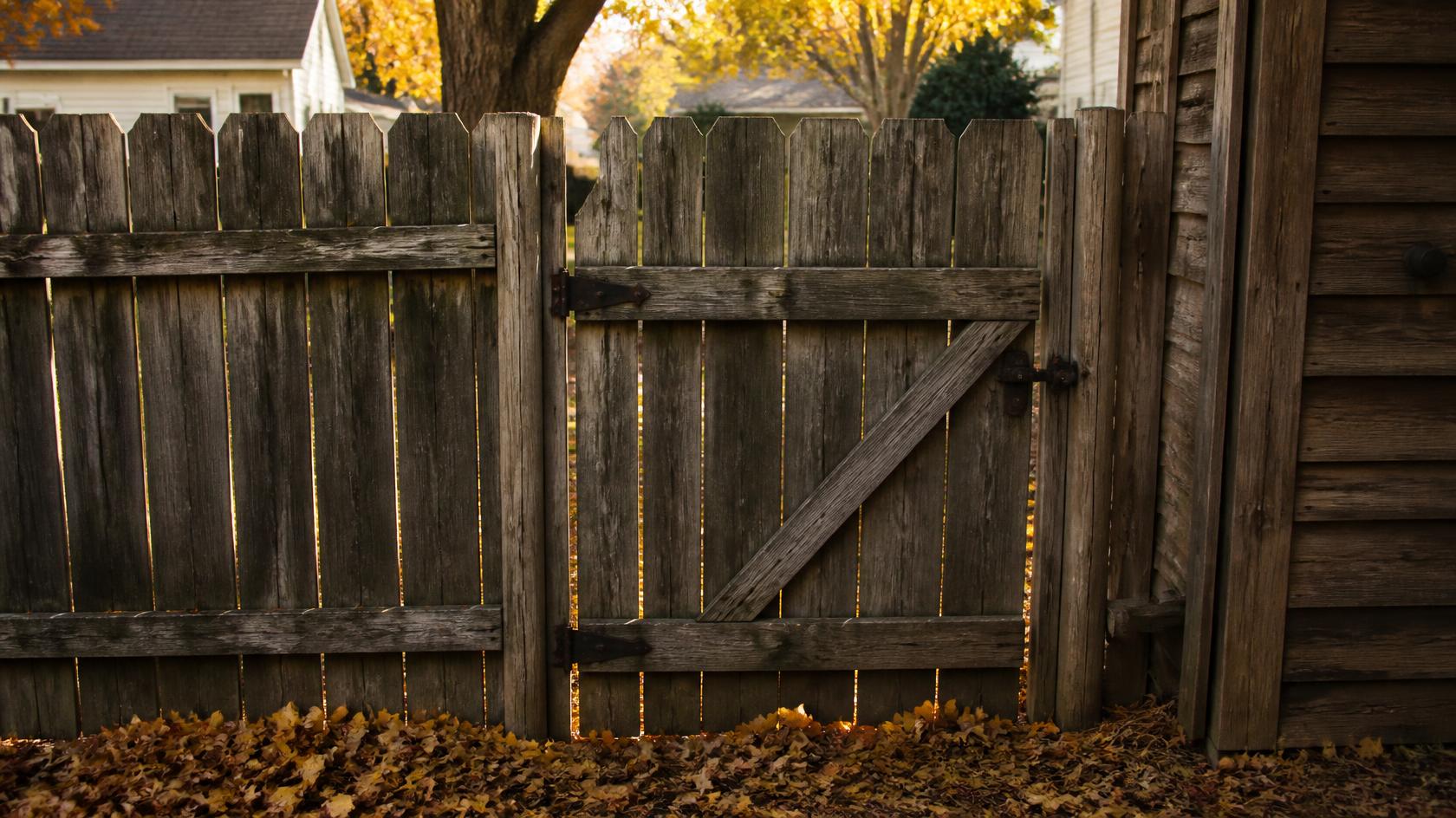
A fence gate that drags, sags, sticks, or no longer latches properly can become more difficult to use once winter weather arrives. For property owners in Orfordville, WI, fall is a good time to inspect gate posts, hinges, latches, alignment, and surrounding ground conditions before snow, ice, and freeze-thaw cycles make small problems worse.
Why Fence Gate Problems Should Be Addressed Before Winter
Fence gates usually experience more daily movement and stress than any other part of a fence. Hinges carry repeated weight, latches are opened and closed constantly, and gate posts absorb pressure every time the gate swings.
Minor problems that seem manageable in early fall can become more noticeable once temperatures drop.
Wisconsin winters bring snow, ice, frozen ground, moisture, and repeated freeze-thaw cycles. These conditions can affect gate alignment, hardware, posts, and the soil supporting the gate.
For homeowners, a damaged gate can affect privacy, pet containment, and everyday access. For businesses and commercial properties, a gate problem may interfere with security, parking, deliveries, equipment access, or controlled entry.
Repairing problems before winter can help keep the gate functional when outdoor repairs become more difficult.
Sign 1: The Gate Is Sagging
A sagging gate is one of the most common signs that repair may be needed.
You may notice that one corner sits lower than the other, the gate looks tilted, or the bottom edge is getting closer to the ground.
Possible causes include:
Loose hinges
Worn hardware
A shifting gate post
Excessive gate weight
Loose fasteners
Frame movement
Seasonal soil movement
A slight sag may eventually cause the gate to scrape against the ground or prevent the latch from lining up correctly.
Large wood gates and wide driveway gates can be especially vulnerable because their weight places more stress on the posts and hardware.
Sign 2: The Gate Drags on the Ground
A gate should open and close without scraping across grass, gravel, pavement, or soil.
If it begins dragging, the problem could be related to sagging, post movement, hinge wear, or changes in the surrounding ground.
Fall is an important time to address this because frozen soil and snow buildup can reduce clearance even more.
In Orfordville, snow accumulation near driveways and walkways may also create additional obstructions. A gate that barely clears the ground in October may become difficult or impossible to open after snow begins accumulating.
Proper repair may involve adjusting hardware, correcting alignment, or addressing a damaged or shifting post.
Sign 3: The Latch No Longer Lines Up
Gate latches depend on proper alignment between the gate and the receiving post.
If the latch must be lifted, pushed, or forced into place, something has likely shifted.
Common reasons include:
Gate sag
Loose hinges
Post movement
Warped materials
Frame movement
Soil settlement
Repeated seasonal expansion and contraction
A misaligned latch is more than an inconvenience.
For residential properties, it may create a problem if the fence is intended to contain children or pets. Around pools or restricted areas, reliable closure is especially important.
Commercial properties may also depend on secure gates to control access to storage areas, parking lots, equipment yards, or service areas.
Sign 4: Hinges Are Loose, Bent, or Rusting
Hinges are responsible for supporting the gate and allowing it to move smoothly.
Inspect the hinges for visible problems such as:
Loose screws or bolts
Bent hinge plates
Rust or corrosion
Cracked mounting points
Excessive movement
Missing fasteners
Grinding or squeaking during operation
Loose hardware can allow the gate to gradually drop out of alignment.
Moisture, rain, snow, and road salt can also contribute to corrosion on exposed metal components.
If hardware is damaged, replacing or reinforcing it before winter may prevent additional stress on the gate frame or posts.
Sign 5: Gate Posts Are Leaning or Moving
The gate posts are some of the most important structural components of the entire gate system.
Unlike regular fence posts, gate posts must support both the fence line and the moving weight of the gate.
If a post begins leaning, twisting, or moving when the gate is opened, the problem should be inspected.
Possible causes include:
Soil movement
Poor drainage
Repeated freeze-thaw cycles
Storm damage
Vehicle impact
Post deterioration
Insufficient support
Water around the base of a post can also become an issue. When wet soil freezes and thaws repeatedly, movement may place additional stress on the post.
Correcting a post problem early can help prevent damage to the gate, hinges, and nearby fence sections.
Sign 6: The Gate Is Hard to Open or Close
A properly functioning gate should move without excessive force.
If the gate suddenly feels heavy, sticks halfway, or requires repeated pushing or lifting, it is worth investigating.
The cause could be relatively simple, such as debris around the hinges, or it could indicate a larger alignment or structural problem.
Check whether the problem occurs throughout the gate's movement or only at one specific point.
Resistance near the ground may indicate dragging. Resistance near the latch may point to alignment issues. Uneven movement near the hinges may indicate hardware or post problems.
Taking care of these issues before cold weather can make daily access much easier during winter.
Sign 7: Wood Gates Show Warping or Damage
Wood fencing remains a popular option for privacy and residential properties, but wood naturally responds to moisture and seasonal weather.
A wood gate may begin to:
Warp
Twist
Split
Crack
Swell
Develop loose boards
Pull away from its frame
These changes can affect how the gate fits within the opening.
Fall rain followed by colder temperatures can make existing damage more noticeable. Loose boards or weakened framing may also be more vulnerable to winter wind and snow.
A repair may involve replacing damaged components, reinforcing the frame, adjusting hardware, or correcting the gate alignment.
Sign 8: Metal Gates Show Rust, Bent Components, or Loose Connections
Chain link, aluminum, ornamental, and commercial metal gates should also be inspected before winter.
Look for rust, damaged welds, loose fittings, bent frames, and worn rollers or hinges.
Chain link gates may develop loose tension, damaged fabric, bent rails, or latch problems after repeated use.
Commercial gates may experience additional wear from frequent vehicle traffic, deliveries, and equipment movement.
A small bent component can affect the entire gate if it prevents smooth operation or proper closure.
Check Driveway and Commercial Gates Carefully
Large gates generally experience more stress than standard pedestrian gates.
Driveway gates may be used by passenger vehicles, trailers, landscaping equipment, or service vehicles. Commercial gates may operate many times each day.
Before winter, check:
Gate alignment
Hinges or rollers
Tracks
Latches
Posts
Stops
Locks
Access control components
Clearance around the gate
Automatic or controlled-access gates may also require inspection of moving parts and entry systems.
Snow and ice can interfere with tracks, sensors, or areas where the gate travels, so keeping these locations clear is important.
Watch for Storm and Wind Damage
Fall storms can create problems even when the gate looks intact from a distance.
Strong wind can place pressure on privacy gates, especially wide solid-panel gates.
After significant wind or storms, check whether:
The gate has shifted
Hinges feel loose
Posts are leaning
Panels or boards are damaged
Hardware has pulled away
The latch still closes correctly
Storm damage may affect more than the gate itself, so nearby fence sections should also be inspected.
Catching problems early may prevent damage from spreading along the fence line.
Do Not Ignore Ground and Drainage Problems
Not every gate problem starts with the gate.
Water pooling near posts, soil erosion, poor drainage, and uneven ground can all affect operation.
Fall leaves and debris can block drainage areas and allow water to collect near posts.
Once temperatures fall below freezing, trapped moisture can freeze and contribute to soil movement.
Keeping the gate area clear and monitoring drainage can help reduce seasonal problems.
If the surrounding ground is changing significantly, repairing only the latch or hinges may not solve the underlying issue.
Residential Gate Repair Considerations
For homeowners in Orfordville, gate function often affects everyday convenience.
A damaged gate may interfere with:
Pet containment
Child safety
Backyard access
Lawn maintenance
Trash or recycling access
Pool access
Driveway entry
Privacy
Homeowners should think about how frequently the gate is used and who depends on it.
A gate used every day should not require lifting, forcing, or repeated adjustments just to close.
Commercial Gate Repair Considerations
For businesses and property managers, gate problems may create more significant operational issues.
Commercial fencing may protect:
Parking areas
Equipment
Storage yards
Dumpsters
Restricted areas
Loading zones
Utility areas
A gate that does not close correctly can affect both security and access.
Commercial properties should also check whether winter snow removal plans could interfere with gates, tracks, posts, or access control equipment.
Leaving enough clearance for plows, snow piles, and service vehicles can reduce accidental damage.
Repair or Replace the Gate?
Not every damaged gate needs complete replacement.
Minor problems may be repairable if the gate frame and supporting posts remain in good condition.
Repair may be appropriate for:
Loose hinges
Worn latches
Minor alignment issues
Individual damaged boards
Loose fasteners
Small sections of damaged hardware
Replacement may make more sense when the gate has severe structural damage, major warping, extensive corrosion, repeated repair problems, or deteriorated posts.
The surrounding fence should also be considered. If the fence itself is nearing the end of its usable life, replacing the gate alone may provide only a temporary solution.
Schedule Fence Gate Repair Before Winter Conditions Arrive
Fall gives property owners a useful window to identify and address gate problems before snow, frozen ground, and icy conditions complicate access and repairs.
A gate that sags slightly, closes poorly, or has loose hardware today could become much harder to operate after another season of freezing temperatures and winter weather.
Inspecting the gate now can also reveal problems with posts, drainage, nearby fence sections, and hardware that might otherwise go unnoticed.
Dach Fence provides fence repair, fence replacement, gate installation, and fencing services for residential and commercial properties in Illinois and Wisconsin.
If your fence gate is sagging, sticking, dragging, damaged, or no longer closing properly, contact Dach Fence for a free estimate and help preparing your property for winter.
