
Fence Collapse After Heavy Snow: Structural Causes in Illinois & Wisconsin
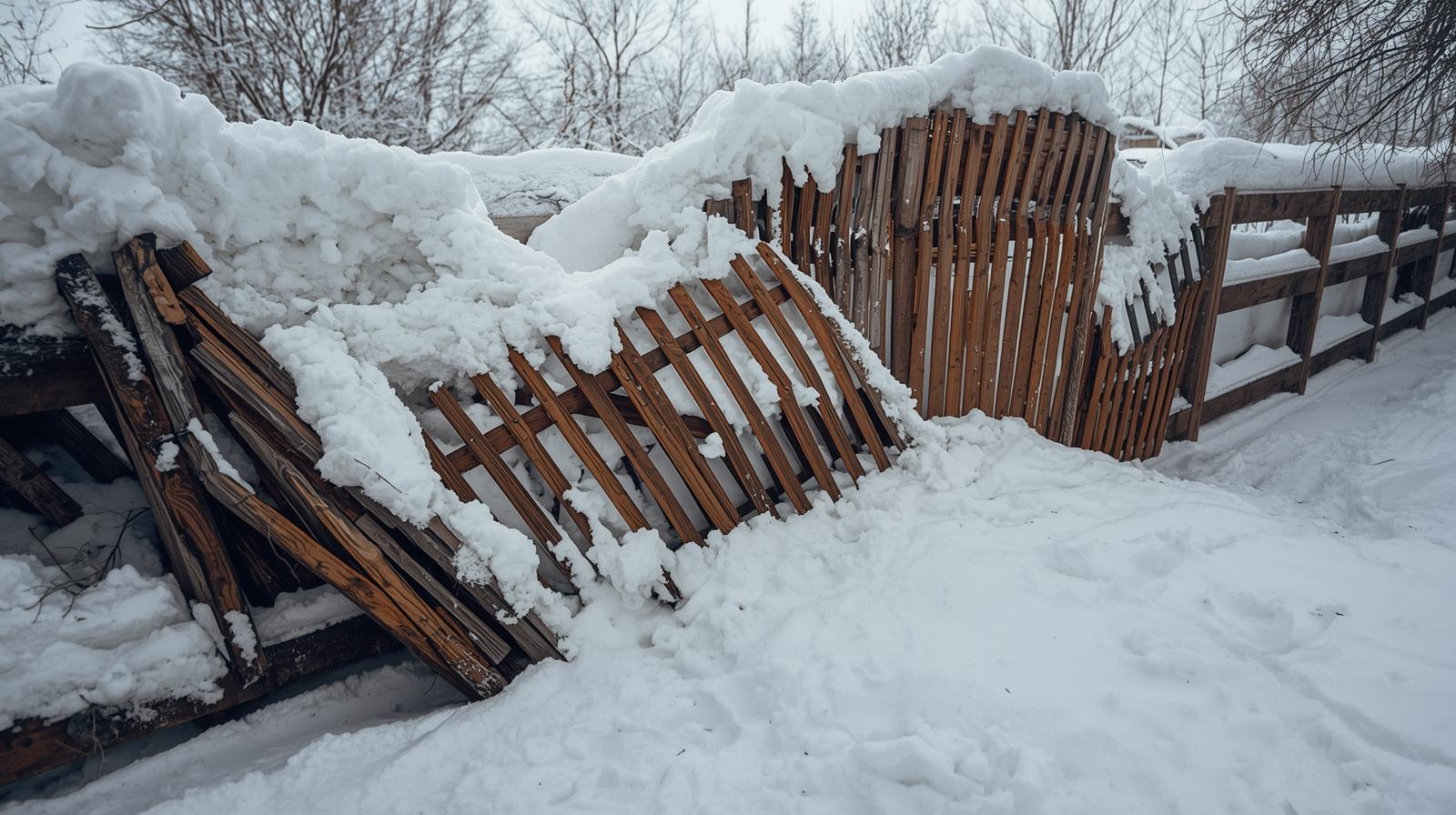
When heavy snow blankets properties across Illinois and Wisconsin, most homeowners and business owners focus on clearing driveways and walkways. But snow accumulation, combined with wind and freeze–thaw cycles, can quietly place extreme stress on fencing systems.
Heavy snow rarely causes fence collapse by itself—structural weaknesses, shifting soils, improper installation, and wind load are usually the real culprits.
At Dach Fence, we frequently evaluate residential and commercial fence failures after Midwest winters. Understanding why fences collapse can help property owners prevent costly damage and make smarter repair or replacement decisions.
Why Heavy Snow Is a Serious Threat to Fencing in Illinois & Wisconsin
Illinois and Wisconsin experience:
Significant snow accumulation
Repeated freeze–thaw cycles
High winter wind loads
Expansive and clay-heavy soils in many regions
When these factors combine, they create a perfect storm for fence failure.
Snow Load + Wind Load = Lateral Pressure
Snow accumulation alone adds vertical weight. But when wind drives snow against solid fencing—especially privacy fences or commercial perimeter fencing—it creates intense lateral pressure. This pressure pushes against posts and panels, stressing joints and foundations.
For commercial properties with long fence runs or taller security fencing, wind load is even more significant. Open fields, parking lots, and industrial sites offer little wind protection, increasing the structural demand on fence posts and footings.
Structural Causes of Fence Collapse
1. Shallow or Inadequate Post Depth
One of the most common causes of fence collapse is improperly set posts.
In Illinois and Wisconsin, frost lines typically reach 36–48 inches deep depending on location. If posts are not set below the frost line, the freeze–thaw cycle can heave them upward, tilt them, or weaken the surrounding soil.
When heavy snow and wind pressure are added to already compromised posts, collapse becomes much more likely.
Residential impact: Leaning backyard privacy fences
Commercial impact: Bowed perimeter fencing, security gaps, liability exposure
2. Freeze–Thaw Soil Movement
Much of Illinois features clay-rich soils that expand when wet and contract when dry. Wisconsin also has varied soil conditions that can retain moisture through winter.
Here’s what happens:
Soil absorbs moisture.
Temperatures drop → soil freezes and expands.
Temperatures rise → soil thaws and contracts.
The cycle repeats.
Over time, this movement loosens post footings. Even concrete-set posts can shift if the base preparation was inadequate.
Repeated freeze–thaw stress weakens structural integrity long before visible damage appears.
3. Poor Drainage Around Fence Lines
Improper grading or drainage allows water to pool around fence posts. When that water freezes, it expands and exerts upward pressure on the footing.
Commercial properties often face this issue near:
Retention ponds
Parking lot edges
Loading docks
Sloped commercial landscaping
Standing water significantly increases frost heave risk and long-term deterioration.
4. Undersized or Deteriorated Materials
Not all fencing is built to withstand Midwest winters.
Common vulnerabilities include:
Lightweight posts for tall privacy fences
Corroded steel posts in commercial applications
Rotting wood posts at ground level
Inadequate fasteners or brackets
In commercial settings, fencing may also need to meet higher wind load standards depending on location and local code requirements. Undersized structural components are far more likely to fail under heavy snow and wind pressure.
5. Improper Fence Design for Wind Exposure
Solid panel fences act like sails. Without proper reinforcement, they catch wind-driven snow and gusts.
Better structural strategies include:
Proper post spacing
Heavier gauge posts
Reinforced rails
Wind-permeable designs (where appropriate)
For commercial properties, especially warehouses or multi-tenant buildings, wind load calculations become even more important due to increased height and exposure.
Safety & Liability Concerns After Fence Collapse
Fence failure isn’t just cosmetic.
For Homeowners:
Falling panels can injure family members or pets
Compromised fencing reduces privacy and security
Property boundary disputes may arise
For Business Owners & Property Managers:
Increased liability exposure
Security vulnerabilities
Potential code compliance violations
Disruption to tenants or operations
A collapsed commercial fence may compromise access control, inventory security, or insurance compliance—making prompt evaluation critical.
Repair vs Replacement: How to Decide
After a heavy snow event, property owners often ask: Can it be repaired, or does it need full replacement?
When Repair May Be Appropriate
Isolated post failure
Minor leaning without structural rot
Limited panel damage
Newer fence systems
Repairs can restore structural integrity when the majority of posts remain stable and materials are in good condition.
When Replacement Is Often Smarter
Multiple posts shifting
Extensive rot at ground contact
Widespread corrosion in metal fencing
Repeated seasonal failures
Fence nearing end of service life
If freeze–thaw movement has compromised most footings, patch repairs may only provide short-term relief.
For commercial properties, upgrading to a heavier-duty system may reduce long-term maintenance costs and liability risks.
Cost Drivers (Without Specific Pricing)
Rather than focusing on exact pricing, it’s more helpful to understand what influences cost:
Length of fence affected
Material type (wood, vinyl, ornamental steel, chain link, etc.)
Depth of required new footings
Accessibility of the site
Soil conditions
Permit or compliance requirements
Commercial-grade specifications
In Illinois and Wisconsin, deeper frost lines and challenging soils can increase labor and foundation requirements, especially for replacement projects.
What to Look For After Heavy Snow: Practical Checklist
After major snow accumulation, walk your property and look for:
Structural Warning Signs
Leaning or tilting posts
Gaps forming under fence panels
Cracks in concrete footings
Loose or detached panels
Bowing sections
Rusted metal posts
Wood rot at ground level
Safety Concerns
Exposed sharp edges
Fence sections detached from gates
Compromised locking mechanisms
Fence leaning toward sidewalks or parking areas
Commercial-Specific Checks
Perimeter security gaps
Damage near high-traffic areas
Impact near snow removal equipment paths
Areas exposed to strong wind corridors
Early detection often prevents full collapse.
Preventative Strategies for Midwest Winters
While no fence is immune to extreme weather, proper installation dramatically reduces risk.
Key Prevention Measures:
Setting posts below local frost depth
Properly compacted gravel base beneath concrete
Adequate drainage grading
Heavier posts for tall privacy fencing
Wind-aware fence design
Commercial-grade materials where needed
Routine inspections—especially before winter—can identify small issues before snow amplifies them.
Compliance & Code Considerations
Local municipalities in Illinois and Wisconsin may have regulations regarding:
Fence height
Wind load requirements
Property line placement
Commercial perimeter security
If a collapsed fence must be replaced, it’s often an opportunity to ensure full compliance with updated local codes.
For business owners and property managers, compliance is not optional—it’s part of risk management.
Why Professional Evaluation Matters
It can be difficult to assess whether damage is cosmetic or structural without examining:
Post depth
Footing stability
Soil movement
Subsurface moisture conditions
An experienced fencing contractor understands regional soil conditions, frost behavior, and wind exposure patterns specific to Illinois and Wisconsin.
A professional evaluation helps you determine:
Whether repairs are structurally sound
If replacement will provide better long-term durability
How to improve resilience against future winters
Protect Your Property Before the Next Snowfall
Heavy snow exposes weaknesses that may have been developing for years. Whether you’re a homeowner concerned about backyard privacy or a property manager responsible for commercial perimeter security, understanding structural causes helps you make informed decisions.
If your fence has shifted, leaned, or collapsed after heavy snow, a thorough inspection is the safest next step.
Dach Fence serves residential and commercial properties throughout Illinois and Wisconsin. If you would like a professional evaluation of your fence system, we invite you to contact our team to assess structural integrity and discuss appropriate repair or replacement options.
Preparing now can help ensure your fencing stands strong through the next Midwest winter.
