
Farm & Residential Fencing in Avalon, WI: Choosing the Right Fence
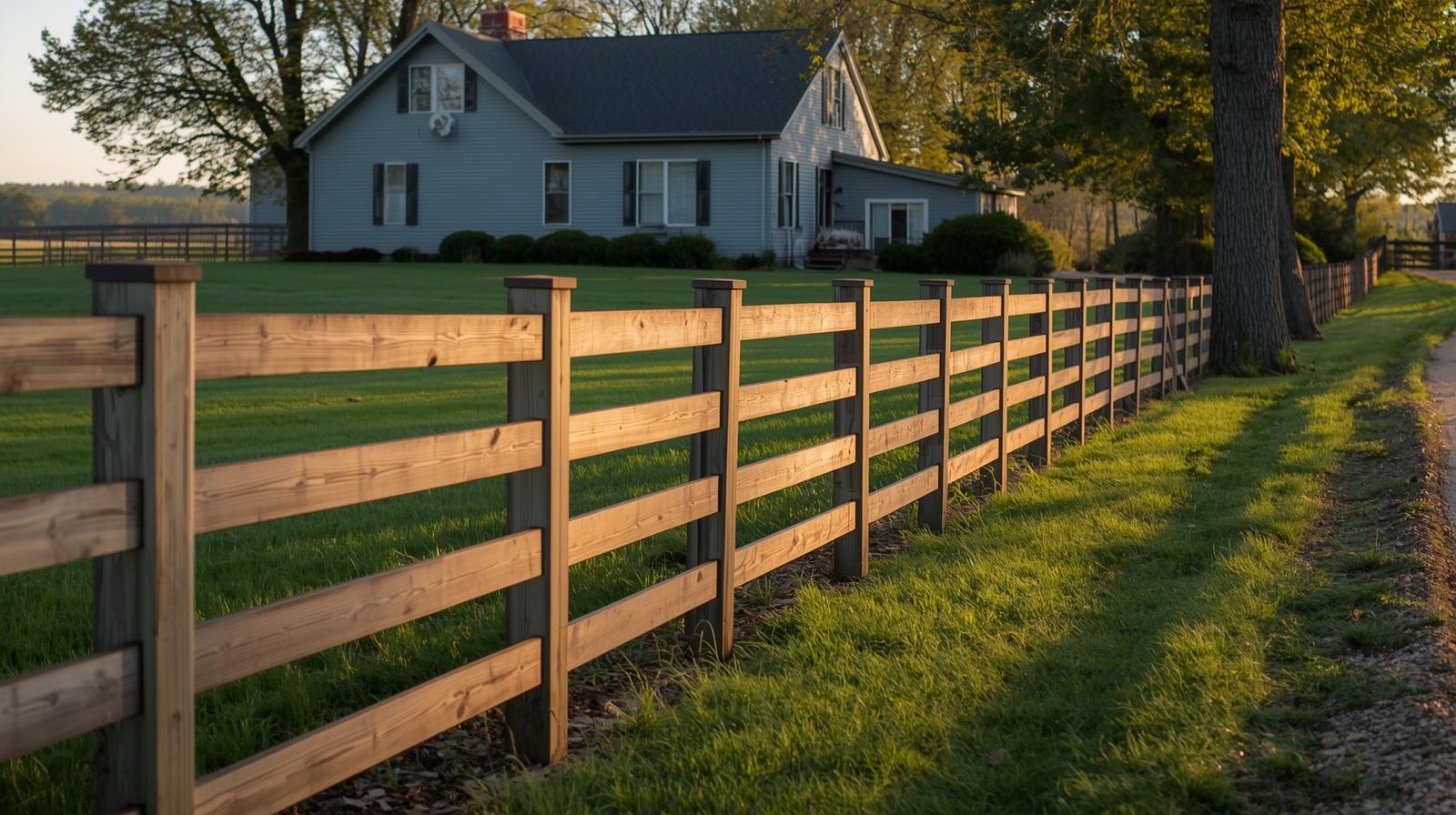
Farm and residential fencing in Avalon, WI should be chosen based on property use, animals, privacy, security, gates, maintenance, and Midwest weather. The right fence for a rural property, backyard, pasture, driveway, or commercial-style space depends on how the property is used every day.
Why Fence Choice Matters in Avalon, WI
Fencing in Avalon, WI often needs to serve more than one purpose. Some properties need a backyard fence for privacy, pets, or curb appeal. Others need fencing for open land, farm areas, livestock, equipment spaces, gardens, driveways, or property boundaries.
That means choosing the right fence is not only about appearance. A fence should match the property layout, daily use, maintenance expectations, gates, access needs, and long-term durability.
For rural and residential properties, Midwest weather also matters. Wind, rain, snow, ice, storm damage, and freeze-thaw cycles can affect posts, gates, panels, rails, and hardware over time. Planning carefully from the beginning can help the fence perform better and last longer.
Start with the Main Purpose of the Fence
Before comparing materials, property owners should decide what the fence needs to do. A fence for pets has different needs than a fence for livestock, privacy, curb appeal, or equipment protection.
Common reasons for farm and residential fencing include:
Backyard privacy
Pet containment
Child safety
Property line definition
Driveway or entrance control
Garden protection
Pasture or animal areas
Equipment or storage protection
Pool enclosure needs
Gate access
Fence replacement after age or storm damage
Once the purpose is clear, it becomes easier to choose the right material, height, layout, and gate setup.
Residential Fence Options
For homeowners in Avalon, residential fencing often focuses on privacy, safety, pets, appearance, and everyday yard use.
A privacy fence may be useful if the home is close to neighboring properties, roads, or open areas. A lower decorative fence may be enough when the goal is curb appeal or a simple boundary. Chain link may work well for pets or larger yards. Aluminum or ornamental fencing may be a good fit for front yards, pools, driveways, and areas where visibility matters.
Residential planning should include:
Property lines
Fence height
Yard access
Pet safety
Gate placement
Mower access
Pool requirements
Drainage and grading
Long-term maintenance
The best residential fence should make the property easier to enjoy and maintain.
Farm and Rural Fence Options
Farm and rural fencing has different priorities. Instead of focusing only on privacy or appearance, farm fencing may need to support animals, equipment, access, boundaries, and open land management.
Farm fencing may be used for:
Pasture areas
Animal containment
Garden or crop protection
Driveway boundaries
Equipment areas
Storage spaces
Large property lines
Entry gates
Utility or service access
The right farm fence depends on what is being contained or protected. A fence for a garden may be very different from a fence for livestock. A fence around equipment may need stronger gates and more secure access than a simple property boundary.
Because farm properties often cover more ground, layout planning is especially important. Fence length, corner posts, gates, terrain, and access routes can all affect the final project.
Choosing the Right Material
Fence material affects durability, maintenance, appearance, cost, and function. In Avalon, property owners should also consider how each material handles Wisconsin weather.
Wood Fencing
Wood fencing is a popular option for residential privacy and natural-looking properties. It works well for backyards, side yards, and certain rural settings where a traditional appearance fits the property.
Wood can be installed in privacy, shadowbox, picket, or semi-private styles. It may also be used for decorative boundaries or areas where a warmer look is preferred.
The main consideration is maintenance. Rain, snow, ice, humidity, sun exposure, and freeze-thaw cycles can affect wood over time. Staining, sealing, and occasional repairs may be needed to help protect the fence.
Vinyl Fencing
Vinyl fencing is often chosen by homeowners who want a clean look with lower maintenance. It does not need painting or staining and can provide strong privacy depending on the style.
Vinyl works well for residential yards, pool areas, and properties where a neat, finished appearance is important. Solid vinyl panels can catch wind, so proper post installation matters, especially in open areas.
Vinyl may be a good fit for homeowners who want privacy and lower routine upkeep.
Chain Link Fencing
Chain link fencing is practical, durable, and useful for both residential and rural properties. It is often chosen for pet areas, larger yards, equipment spaces, storage areas, and functional boundaries.
Chain link does not provide full privacy by itself, but privacy slats can be added when more coverage is needed. It can also be paired with gates and locks for areas that need controlled access.
Chain link may be a strong option when durability, visibility, and cost control matter.
Aluminum and Ornamental Fencing
Aluminum and ornamental fencing are good choices when appearance, visibility, and boundary definition matter. These fences are often used around front yards, driveways, pools, gardens, and public-facing areas.
They do not provide full privacy, but they create a polished look while still keeping the property open. Aluminum and ornamental fencing are generally lower maintenance than wood and can work well for homes that need curb appeal.
Gates and Access Planning
Gates are one of the most important parts of any farm or residential fence. A fence may be strong and attractive, but if the gate is too narrow, poorly placed, or difficult to use, the layout can become frustrating.
Residential gates may be needed for:
Mowing
Pets
Backyard access
Trash bins
Pool areas
Gardens
Utility access
Service workers
Farm and rural gates may need to support:
Tractors
Trailers
Trucks
Animal movement
Equipment access
Driveway entrances
Service vehicles
Storage areas
Gate width, swing direction, latch type, lock needs, ground slope, and snow clearance should all be planned early. For rural properties, wider gates may be needed if equipment or trailers must pass through.
Property Lines, Permits, and Local Planning
Before starting fence installation in Avalon, property owners should review property lines and local requirements. This is especially important for rural land, farm properties, corner lots, pool enclosures, driveway entrances, and fences near roads or easements.
Property owners should not assume that an old fence, tree line, driveway edge, or mowed area marks the true boundary. If the property line is unclear, reviewing a survey or having the property marked can help prevent issues.
Permit or zoning questions should be reviewed before work begins. Local requirements may affect fence height, placement, materials, and access points.
Midwest Weather and Fence Durability
Fences in southern Wisconsin need to handle changing weather. Wind, rain, snow, ice, freeze-thaw cycles, storm damage, and seasonal wear can affect posts, rails, panels, gates, and hardware.
Open rural areas may expose fences to stronger wind. Snow and ice can build up along fence lines and near gates. Rain can soften soil around posts. Freeze-thaw cycles can cause ground movement that may affect alignment over time.
A durable fence starts with proper post installation, quality hardware, drainage awareness, and material selection that fits the property.
Cost Factors to Consider
Fence cost depends on the project details. A small backyard fence will usually have different cost factors than a long rural boundary fence, pasture fence, privacy fence, or gated equipment area.
Common cost factors include:
Fence material
Fence height
Total linear footage
Number and size of gates
Gate hardware
Property slope
Soil and drainage conditions
Old fence removal
Layout complexity
Animal or livestock needs
Permit or local planning requirements
Access control needs
The most accurate way to understand cost is to request an estimate based on the actual property and goals.
Maintenance After Installation
Maintenance helps extend fence life. Wood fences should be checked for loose boards, weathering, moisture damage, and staining or sealing needs. Vinyl fences should be cleaned and inspected for impact damage. Chain link fences should be checked for fabric tension, rails, posts, and gates. Aluminum and ornamental fences should be inspected for loose hardware or alignment issues.
Farm and rural fences should also be checked after storms, heavy snow, or animal pressure. Gates, corners, and posts usually need the most attention because they handle the most movement and stress.
Contact Dach Fence for Farm and Residential Fencing in Avalon, WI
Farm and residential fencing in Avalon, WI should be chosen based on property use, privacy, animals, access, maintenance, and Midwest weather. Whether you need wood fencing, vinyl fencing, chain link fencing, aluminum or ornamental fencing, gates, pool enclosures, equipment area fencing, fence repair, or fence replacement, the right plan makes a difference.
Dach Fence helps homeowners, property owners, business owners, and property managers choose practical fencing solutions built for real use.
For farm and residential fencing in Avalon, WI, contact Dach Fence today for a free estimate. Visit dachfence.net to get started.
