
Essential Tips for Wood Fence Installation
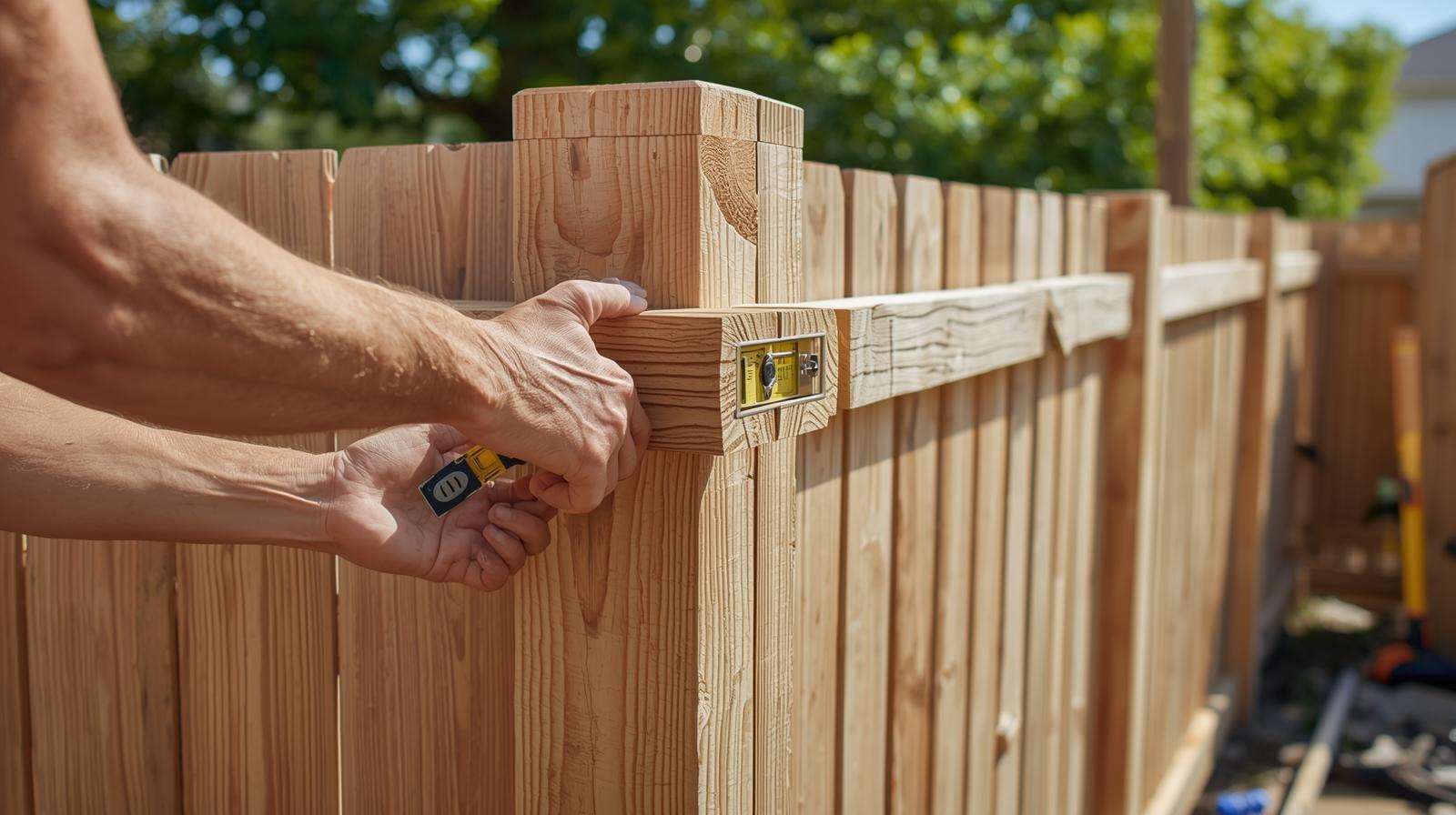
Thinking about a new wood fence for your Winnebago County home? The most expensive part of your new fence isn't the lumber—it's the mistake you make three feet underground. Our tough Illinois winters can cause the frozen ground to push improperly set posts right up, leaving you with a leaning, wobbly mess. But before you even dig that first hole, you have a critical choice to make that will define your budget and your fence's lifespan.
You’ll face the classic showdown at the lumber yard: Cedar vs. Pressure-Treated (PT) Pine. This decision goes beyond simple looks; it directly impacts your upfront cost and how many weekends you'll spend on future maintenance. Understanding the fundamental difference between these two popular options is the first step toward building a fence you'll love for years to come.
The cedar versus pressure-treated pine debate comes down to budget and maintenance. Pressure-treated pine is the budget-friendly champion. For a standard 150-foot privacy fence, choosing PT pine might save you $1,500-$2,000 upfront compared to cedar. That greenish tint you see on new boards is the chemical preservative that protects the wood from decay. Western Red Cedar, on the other hand, costs more because it has its own superpower: natural oils that inherently resist rot and insects.
As the photo shows, the warm, reddish tone of cedar stands in contrast to the greenish hue of new treated pine. Choosing the best wood for a fence in Illinois means balancing initial cost against long-term durability. This guide will walk you through making the right call for your home, whether you're tackling the project yourself or looking for reliable wood fence services.
Do I Need a Permit for a Fence in Winnebago County?
Navigating the rules for your new fence can feel tricky, but it’s simpler than you think. The most important thing to know is that your specific town or village sets the rules, not just the county. A fence in Rockford might have different height and setback requirements than one in an unincorporated area. Getting a handle on these Winnebago County fence building codes early is key, as any required permits can influence the final privacy fence installation cost.
Regardless of where you live, there is one step that is non-negotiable and required by law: you must contact JULIE 811 before you dig. This is a free service where you call 811 or submit a request online at least two business days before starting. They will send crews to mark the approximate location of any underground utility lines—like gas, water, and internet cables—on your property. Hitting one of these lines is incredibly dangerous and can lead to expensive fines and repairs.
To find the exact rules for your home, start with your local municipal office. This will save you time and ensure your project goes smoothly from day one.
City of Rockford: Zoning Department Page
City of Loves Park: Community Development Page
Village of Machesney Park: Planning & Zoning Page
Winnebago County (for unincorporated areas): Planning & Zoning Division Page
How to Set Wood Fence Posts to Survive an Illinois Winter
Once you’ve marked your layout and called JULIE, the most critical part of the physical work begins: digging the post holes. In Winnebago County, this single step determines whether your fence will stand straight for decades or start leaning after its first winter. The secret is digging below the local frost line, which is the depth the ground freezes. For our area, that magic number is 42 inches. Every single post hole must be deeper than this.
Why is this so important? During our cold winters, moisture in the top layer of soil freezes and expands, pushing upward with incredible force. This process, called frost heave, can literally lift fence posts right out of the ground if they aren't anchored deep enough. This is, without a doubt, the number one reason new fences fail in our climate. Anchoring your posts below the 42-inch mark places them in soil that never freezes, guaranteeing they stay put.
To properly anchor each post, you’ll create a concrete footing. Think of it like the foundation for your house, but for your fence. After placing your post in the hole, you’ll need to mix and pour about 100-120 pounds of dry concrete mix (two 50 or 60-lb bags) around its base. This mass of concrete grips the stable, unfrozen earth and ensures your post can withstand wind, weather, and time.
Taking the time to master how to set wood fence posts in concrete is your best insurance policy. It prevents the wobbly posts that lead to expensive wood fence repair for rotting posts and ensures the investment you make in your new fence pays off for years to come. A straight, solid fence starts with a deep foundation.
The Realistic Cost to Install a Wood Fence in Rockford, IL
Budgeting for a fence is most commonly done by the "linear foot." For materials alone, the cost to install a wood fence in Rockford IL can vary significantly. A standard 6-foot privacy fence using Pressure-Treated Pine typically runs between $25 to $40 per linear foot. If you opt for the longer-lasting Western Red Cedar, expect that to be higher, often in the $40 to $60 per foot range. For 100 feet of fence, that means your materials-only budget could be anywhere from $2,500 to $6,000.
Now, what if you're not doing it yourself? A good rule of thumb is that professional labor will often match or even exceed the material cost. Factoring this in, the average cost of a 6 ft wood fence with professional installation in our area generally falls between $50 and $90+ per linear foot. This fee covers the crew’s expertise, specialized equipment, and efficiency—a major reason many homeowners find value in hiring a local fence contractor instead of taking on the difficult labor themselves.
Before you finalize your budget, be aware of extra costs that can surprise you. Whether you’re going DIY or hiring a pro, these items are not usually included in the initial per-foot estimate:
Permit Fees: Your specific city or village will likely require one.
Tool Rental: Especially a power auger for digging all those post holes.
Material Delivery: Charges for getting lumber and concrete to your home.
Dirt Removal: You'll have a surprisingly large pile of dirt to deal with.
Stain or Sealer: An essential final step to protect your new investment.
From Bare Posts to Finished Fence: A Quick Installation Guide
With your posts firmly set in concrete, you're ready to turn that line of lumber into a proper fence. The first step is to build the skeleton by installing the horizontal rails. These are the 2x4s that run between each post. For a standard 6-foot privacy fence, you must install at least three rails—top, middle, and bottom. While it might seem like extra work, this three-rail structure is critical for preventing the vertical fence boards from warping and bowing in Illinois's humid summers and windy storms.
One of the biggest giveaways of a rushed job is a wavy, uneven top line. The professional trick to avoid this is remarkably simple: a string line. Before attaching a single vertical board, run a string tightly between the tops of your first and last posts in a section. This string creates a perfectly level guide. As you install each vertical picket, you can simply align its top edge with the string, ensuring a clean, professional-looking line from one end to the other.
Once your rails are secure, you're ready to add the pickets—the vertical boards that create the visual surface of your fence. To get perfectly consistent spacing without fumbling with a tape measure every time, create a simple "spacer block" from a scrap of wood. If you want a half-inch gap, just use a piece of half-inch-thick material. Butt it up against the last picket you installed, place the next one against it, and nail it in. This is one of the key DIY wood fence installation steps that massively speeds up the work.
Seeing that first section of pickets go up is a fantastic feeling, and this stage of the project can move surprisingly quickly once you get a rhythm. But before you put your tools away for good, there’s one final, critical step to ensure your beautiful new fence survives its first Winnebago County winter and for many years to come.
Simple Maintenance to Make Your Wood Fence Last for Decades
Your brand-new fence looks fantastic, but leaving it unprotected is like forgetting sunscreen on a hot summer day. The sun's UV rays will quickly start to break down the wood fibers, turning a beautiful fence gray and brittle. To protect your investment, you’ll need to apply a quality wood stain or sealer. There’s a crucial timing difference here: if you used pressure-treated pine, you must wait several months for the wood to dry out before it can absorb the sealer. For a cedar vs pressure-treated pine fence, cedar can often be stained within a few weeks. Applying a sealer to wet wood is a waste, as the product will simply peel off.
Think of that first coat of stain as your fence's shield against the elements. Over time, that shield wears down. For a simple wood fence maintenance guide, the most important rule is consistency. Here in Winnebago County, with our humid summers and harsh sun, plan on cleaning your fence and reapplying a fresh coat of sealer every two to three years. This weekend task is what separates a fence that looks old in five years from one that looks great for twenty.
Finally, make a quick inspection part of your annual spring cleanup. As you’re clearing out flower beds, walk the fence line and give a few posts a firm shake—they shouldn’t move. Scan the bottom of the pickets and the base of the posts for any dark, soft spots. Catching the early signs of decay means you might only need a simple fix, preventing a future headache involving wood fence repair for rotting posts and saving you from a much larger project down the road.
Your Action Plan for a Perfect Winnebago County Fence
Before, the thought of a wood fence installation in Winnebago County might have seemed like a complex puzzle of rules and risks. You now hold the key pieces: an understanding of local permits, the science behind our specific frost line, and the difference between a fence that just stands and one that endures. You’ve moved from uncertainty to being able to confidently map out your project from the first post to the final board.
Your entire project boils down to following four essential phases. Use this checklist as your guide to success:
Plan & Permit: Choose your wood, confirm local rules, and call JULIE 811.
Set Your Foundation: Dig post holes below the critical 42-inch frost line and set them securely in concrete.
Build it Strong: Use three horizontal rails for support and keep everything level.
Protect Your Work: Stain and seal your new fence to protect it from Midwest weather.
You no longer just see a fence; you see a foundation. If you choose to DIY, you know exactly what to focus on. If you’re considering hiring a local fence contractor, you now know what to ask to ensure quality wood fence services. Check their local reviews, ask to see examples of their work, and get multiple quotes. Whether you're grabbing your tools or a telephone, you have the knowledge to guarantee your new fence is a lasting, valuable addition to your home
