
Common Mistakes in Vinyl Fence Installation
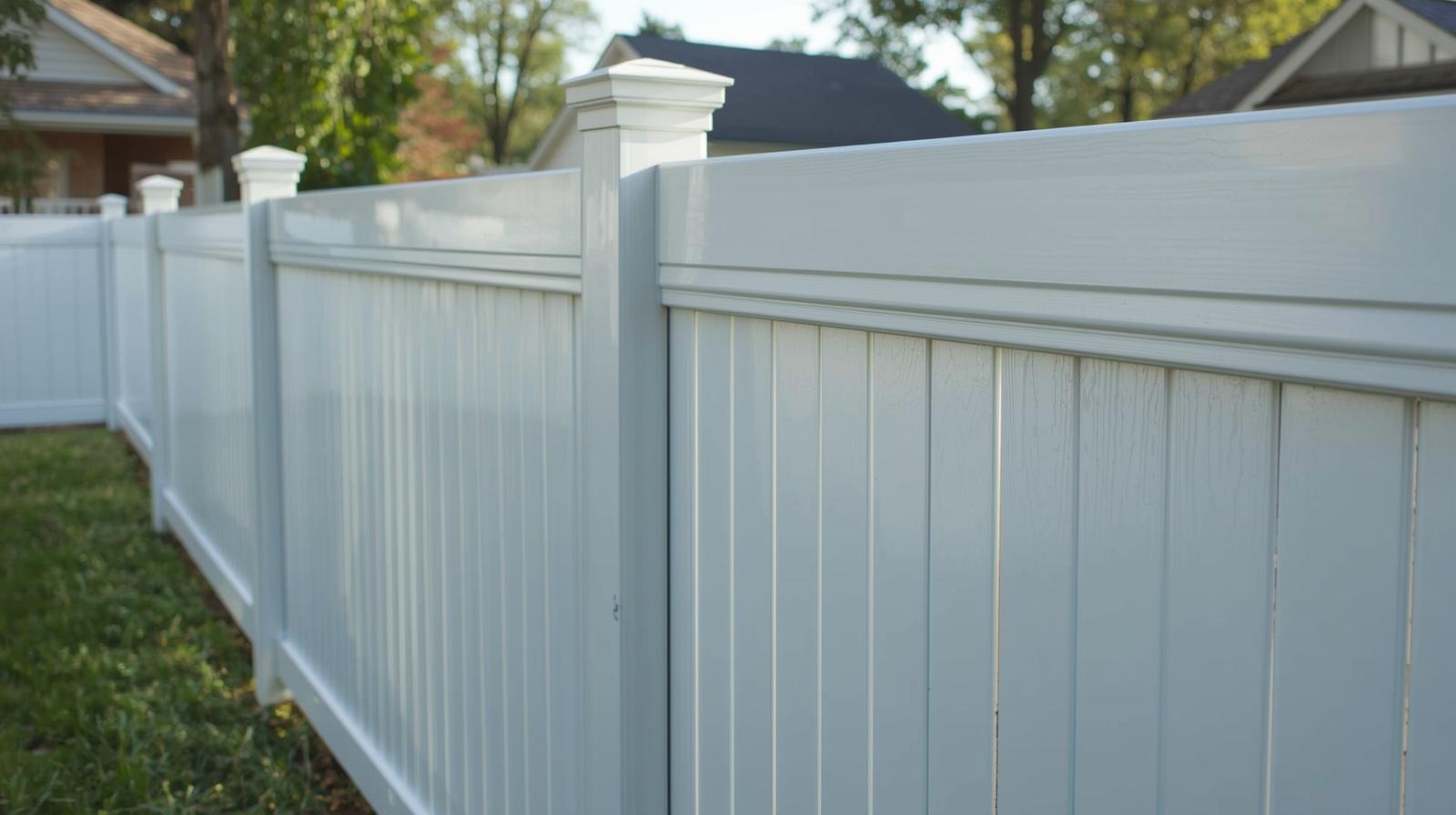
Imagine your Loves Park backyard framed by a crisp, clean fence that provides perfect privacy and never needs staining. A white vinyl privacy fence promises years of beauty without the constant upkeep of wood, making it an ideal choice for many homeowners.
However, that perfect picture depends entirely on a successful installation. While vinyl's flexibility is a huge advantage in our Midwest climate, a few common errors can lead to a leaning, sagging fence that turns a dream project into a headache. Understanding these key pitfalls upfront is the best way to ensure you end up with a strong, straight fence that lasts for decades.
Mistake #1: Skipping the Call That Can Save You Thousands
Before you grab a shovel, the most important preparation is making a phone call. Hitting a buried utility line like a gas or electric cable is not only dangerous but can also lead to enormous repair bills. This costly mistake is 100% preventable.
The most critical call is to 811, the national "Call Before You Dig" hotline. This free service sends crews to mark the location of all underground utility lines with small flags and spray paint. You are legally required to do this at least a few days before you start digging, as it provides a clear map of where it’s safe to work.
Next, check local rules. A quick search for Loves Park IL fence permit requirements will lead you to the city’s website. You need to know if your project requires a permit and what the rules are on height and approved styles. While there, you'll likely see the term setback, a rule stating your fence must be built a specific distance inside your property line. Forgetting this can lead to disputes with neighbors or a city order to move your entire fence.
Mistake #2: Why Your Fence Posts Could Heave Out of the Ground
With your plan approved, the single most important factor for how long a vinyl fence lasts in Illinois weather is the depth of your post holes. In the Loves Park area, you must dig each hole at least 36 inches deep to get your post base below the local frost line—the point to which the ground freezes solid each winter.
Failing to reach this depth exposes your fence to frost heave. When moisture in the soil freezes, it expands and pushes upward with incredible force, slowly jacking a shallow post right out of the earth. The result is a crooked, unstable fence that no amount of adjusting can fix.
The key is creating a strong concrete footing for each post. The process of setting vinyl fence posts in concrete is one of the most critical DIY vinyl fence installation steps. After placing a post in its hole, pour in the dry concrete mix and add water slowly, mixing to the consistency of thick oatmeal. This creates the unshakeable foundation your entire fence depends on, but even the strongest posts are useless if they aren’t perfectly aligned.
Mistake #3: The 'Eyeballing It' Error That Guarantees a Wavy Fence
Even with deep footings, trying to align posts by eye almost always results in a subtle wave. To avoid this, use a simple string line, one of the most important vinyl fence installation tools. Drive stakes at your corners and pull twine taut between them, about six inches off the ground. This creates a flawless, straight guide for marking post hole locations.
Next comes spacing. Most vinyl fence panels have an 8-foot panel span. This 8-foot measurement must be taken from the center of one post to the center of the next. This accounts for the post thickness, ensuring your panels will slot in perfectly without surprise gaps or tight fits.
Finally, ensure every corner is a true 90-degree angle using a simple carpenter's trick. From your corner stake, measure 3 feet down one string line and make a mark. Then, measure 4 feet down the other. The diagonal distance between those two marks must be exactly 5 feet. If it is, your corner is perfectly square. This straight and square layout is your blueprint for flat ground, but most yards have slopes.
Mistake #4: Creating Ugly Gaps on Sloped Ground
When your yard has a slope, you can't just follow the ground's angle. Rigid vinyl panels aren't designed to tilt; doing so creates large, unsightly gaps at the bottom. The professional solution is a technique called "stepping." Instead of angling the panels, you keep each one perfectly level, creating a clean, stair-step effect down the hill. This is a fundamental skill in learning how to install a vinyl fence on uneven terrain.
By stepping the fence, you set the post on the "downhill" side of a panel slightly lower than the one before it, allowing the panel’s horizontal rails to remain level. This method works beautifully with different styles of vinyl fencing to create a uniform, high-end appearance and ensures the gap beneath it remains small and consistent. It’s the key difference between a fence that looks like an intentional part of your landscaping and one that looks like a sloppy afterthought.
Mistake #5: Setting Up Your Fence Gate to Fail
A gate is the one part of your fence you interact with daily, yet it's often the first to fail. A gate is a heavy, moving door that puts constant stress on its hinge post, and treating that post like any other is a setup for gate sag—where the gate drags on the ground and refuses to latch.
To prevent this, the post holding your gate’s hinges needs internal reinforcement. A post stiffener, typically a metal insert of aluminum or steel, is essential. You slide this insert into the hollow vinyl gate post before setting it in concrete, creating an internal spine that supports the gate’s weight without bending. When learning how to install a vinyl fence gate, using a stiffener is the most critical step for long-term success.
Finally, don’t undermine a strong post with flimsy hardware. Cheap hinges and latches will rust and fail, staining your fence. While a stiffener and quality hardware add to the initial cost, it’s a small price to pay to avoid the much larger expense of repairing a cracked vinyl fence post in the future.
Should You DIY or Hire a Pro in Loves Park?
So, should you tackle this project yourself? First, run through an honest readiness check. Do you have access to a power auger and a quality 4-foot level? Can you recruit a reliable helper for a full weekend, repeatedly lift 80-pound bags of concrete, and patiently triple-check every measurement? If you hesitated, hiring a pro is a wise consideration.
When vetting the best vinyl fence installers near Loves Park, move beyond the initial quote. Ask if they are fully licensed and insured, if they handle the permit and utility marking process, and if they can provide addresses of recent local installations. A confident "yes" to all three is a great sign.
While a DIY project limits costs to materials and tool rentals, hiring a professional buys you expertise, speed, and the peace of mind that comes with a perfectly straight, warranty-backed result. By knowing the potential pitfalls—calling 811, digging below the frost line, and using a string line—you're equipped to make the best choice for your home and enjoy that beautiful, private backyard you’ve earned.
