
Commercial Gate Installation in Sycamore, IL: Planning for Secure Access
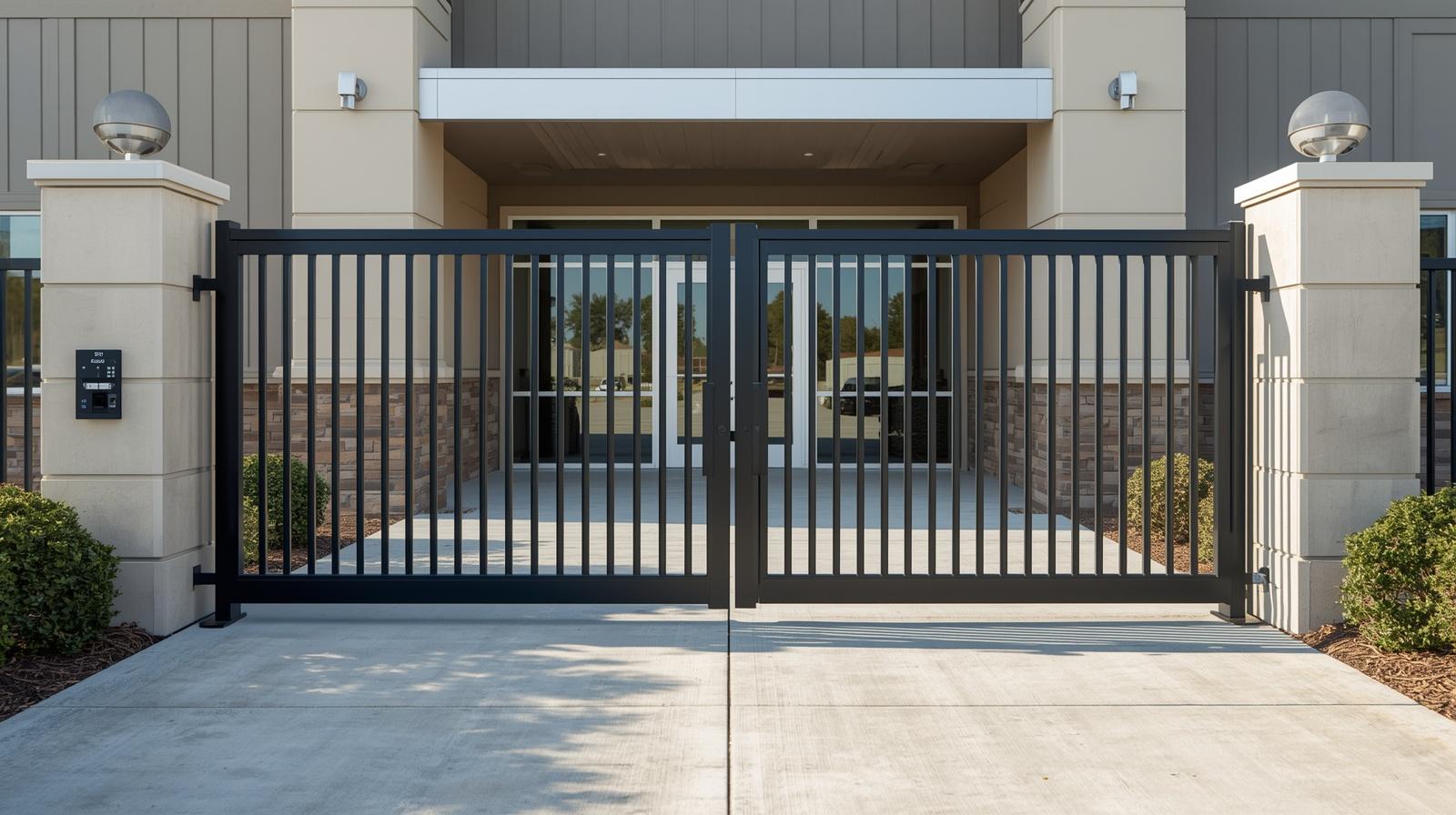
Commercial gate installation in Sycamore, IL should be planned around security, traffic flow, gate type, access control, site layout, permits, and long-term maintenance. The right gate should help protect the property while still allowing employees, customers, vendors, service vehicles, and deliveries to move efficiently.
Why Commercial Gate Planning Matters
For many businesses, the gate is one of the most important parts of the fence system. A commercial fence may define the property, but the gate controls who enters, where vehicles move, and how secure the site remains after hours.
For businesses in Sycamore, IL, commercial gate installation should be planned before the fence layout is finalized. A gate that is too narrow, poorly placed, or not built for daily use can create problems for deliveries, employees, customers, service crews, and property security.
A well-planned gate should support daily operations, protect restricted areas, and hold up through Midwest weather.
Start with the Purpose of the Gate
Before choosing a gate style, business owners should decide what the gate needs to do. A gate for a dumpster enclosure has different needs than a gate for a storage yard, employee parking area, equipment lot, or commercial entrance.
Commercial gates may be used for:
Vehicle access
Employee entry
Delivery access
Equipment movement
Storage yard security
Dumpster enclosures
Restricted areas
Utility spaces
Customer or tenant boundaries
Access control systems
Once the purpose is clear, it becomes easier to choose the right size, material, hardware, lock system, and access method.
Manual Gates for Commercial Properties
Manual gates are operated by hand and may be a practical option for commercial spaces that do not need constant vehicle access or automated entry.
Manual gates may work well for:
Dumpster enclosures
Storage areas
Service yards
Utility spaces
Employee-only areas
Smaller commercial access points
Low-traffic gates
The main advantage of a manual gate is simplicity. It does not require electrical planning or automatic operating equipment. However, the gate still needs strong posts, durable hinges, reliable latches, and appropriate locks.
A manual gate should be easy to open and close without sagging, dragging, or becoming difficult to secure.
Swing Gate Options
Swing gates open inward or outward like a door. They can be single or double gates depending on the width of the opening.
Swing gates may be a good choice when there is enough clear space for the gate to open safely. They are often used for commercial driveways, service entrances, dumpster enclosures, equipment areas, and smaller restricted zones.
Before choosing a swing gate, businesses should consider:
Swing direction
Gate width
Vehicle clearance
Ground slope
Snow and ice buildup
Parking areas near the gate
Traffic flow
Frequency of use
Swing gates can work well when planned properly, but they need enough space to move. If vehicles, snow piles, landscaping, or equipment block the swing path, the gate can become frustrating to use.
Slide Gate Options
Slide gates move sideways along the fence line instead of swinging open. They are often used for commercial properties that need wider vehicle access or do not have enough room for a swing gate.
Slide gates may be useful for:
Storage yards
Commercial entrances
Industrial properties
Equipment areas
Parking areas
Access-controlled entries
Properties with limited swing space
A slide gate needs enough space along the fence line for the gate to travel. The opening width, ground conditions, gate hardware, rollers, track or support system, and fence alignment should all be reviewed before installation.
Slide gates are often a strong option for businesses that need secure vehicle access and a cleaner traffic flow.
Access Control Planning
Some businesses only need a gate with a lock. Others need controlled access for employees, vendors, tenants, or service vehicles.
Access control may include:
Keypad entry
Card reader access
Remote access
Intercom systems
Controlled vehicle entry
Lockable gates
Coordination with security systems
Access control should be planned early. The fence, gate, power source, hardware, and traffic layout need to work together. If access control is added later, changes may be needed to the gate or surrounding fence.
Businesses should also think about who manages access. If employees leave, vendors change, or hours shift, the system should be easy to update.
Traffic Flow and Daily Operations
A commercial gate should improve the property, not slow it down. Traffic flow is one of the most important parts of gate planning.
Before installation, business owners should review:
How employees enter and exit
Where deliveries arrive
Whether trucks or trailers need access
Whether customers or tenants use the area
Where service vehicles park
Whether vehicles may stack near the gate
Whether emergency access is needed
Whether the gate could block loading areas
A gate placed too close to a road, building, parking space, or loading area may create congestion. A good layout allows vehicles to enter, stop, turn, and exit safely.
Matching the Gate to the Fence
The gate should match the fence system in both function and appearance. A commercial chain link fence may need a chain link gate with durable hardware. An ornamental fence may need a gate that keeps the same professional look. A dumpster enclosure may need screening and wide gates for service access.
Common commercial fencing options include:
Chain link fencing
Wood screening
Vinyl fencing
Aluminum or ornamental fencing
Dumpster enclosures
Temporary fencing
Security fencing
The gate should be strong enough for the fence type and the amount of use it will receive. Commercial gates are often used more heavily than residential gates, so hardware matters.
Site Conditions and Gate Placement
The property layout can affect gate installation. A flat, open area is usually easier to work with than a site with slopes, tight access, drainage problems, existing pavement, landscaping, or utility conflicts.
Important site details include:
Ground slope
Driveway width
Existing concrete or asphalt
Drainage near the gate
Fence line alignment
Utility or easement areas
Nearby buildings
Vehicle turning space
Snow storage areas
These details should be reviewed before installation so the gate is placed where it works best.
Permits and Local Planning
Commercial gate installation in Sycamore should include local planning before work begins. Business owners should review permit requirements, property lines, easements, fence placement, gate location, visibility, and site access needs.
Commercial properties may need additional review depending on the gate location, site use, traffic flow, security needs, and whether the project is part of a larger fence installation.
Planning ahead can help avoid delays, layout changes, or access problems during installation.
Midwest Weather and Gate Performance
Commercial gates in northern Illinois need to handle Midwest weather. Wind, rain, snow, ice, freeze-thaw cycles, storm damage, and seasonal wear can affect gates, posts, hinges, rollers, locks, and access control equipment.
Strong winds can stress wide gates. Snow and ice can block swing paths or slide gate travel. Rain can soften soil around posts. Freeze-thaw cycles can affect alignment over time.
To support long-term performance, gate planning should include:
Strong post installation
Durable hardware
Proper ground clearance
Snow and ice clearance
Drainage awareness
Regular inspection
Maintenance after storms
A gate that works well during mild weather should also be planned to function during winter.
Cost Factors for Commercial Gate Installation
Commercial gate installation cost depends on the size and complexity of the project. A small manual gate will usually have different cost factors than a wide slide gate, double swing gate, or access-controlled entry.
Common cost factors include:
Gate type
Gate width and height
Manual or automated operation
Swing or slide design
Fence material
Hardware requirements
Locking needs
Access control equipment
Site conditions
Power needs
Commercial security requirements
Permit or planning requirements
The most accurate estimate comes from reviewing the actual property, access needs, and fence layout.
Maintenance After Installation
Commercial gates should be inspected regularly because they are used often and play an important role in property security.
Maintenance may include checking:
Hinges
Latches
Locks
Rollers
Tracks
Gate alignment
Posts
Access control equipment
Weather-related damage
Impact damage
Small gate problems can become larger security or access issues if ignored. A sagging gate, loose latch, damaged roller, or misaligned lock should be addressed early.
Contact Dach Fence for Commercial Gate Installation in Sycamore, IL
Commercial gate installation in Sycamore, IL should be planned around security, access, traffic flow, gate type, hardware, permits, weather, and long-term use. Whether your property needs a manual gate, swing gate, slide gate, chain link fence, ornamental fence, dumpster enclosure, access control, fence repair, or fence replacement, the right setup can make the property safer and easier to manage.
Dach Fence helps business owners, property managers, and commercial property owners choose practical gate and fencing solutions built for real daily use.
For commercial gate installation in Sycamore, IL, contact Dach Fence today for a free estimate. Visit dachfence.net to get started.
