
Commercial Gate Installation in Brodhead, WI: Planning Access Before Cold Weather
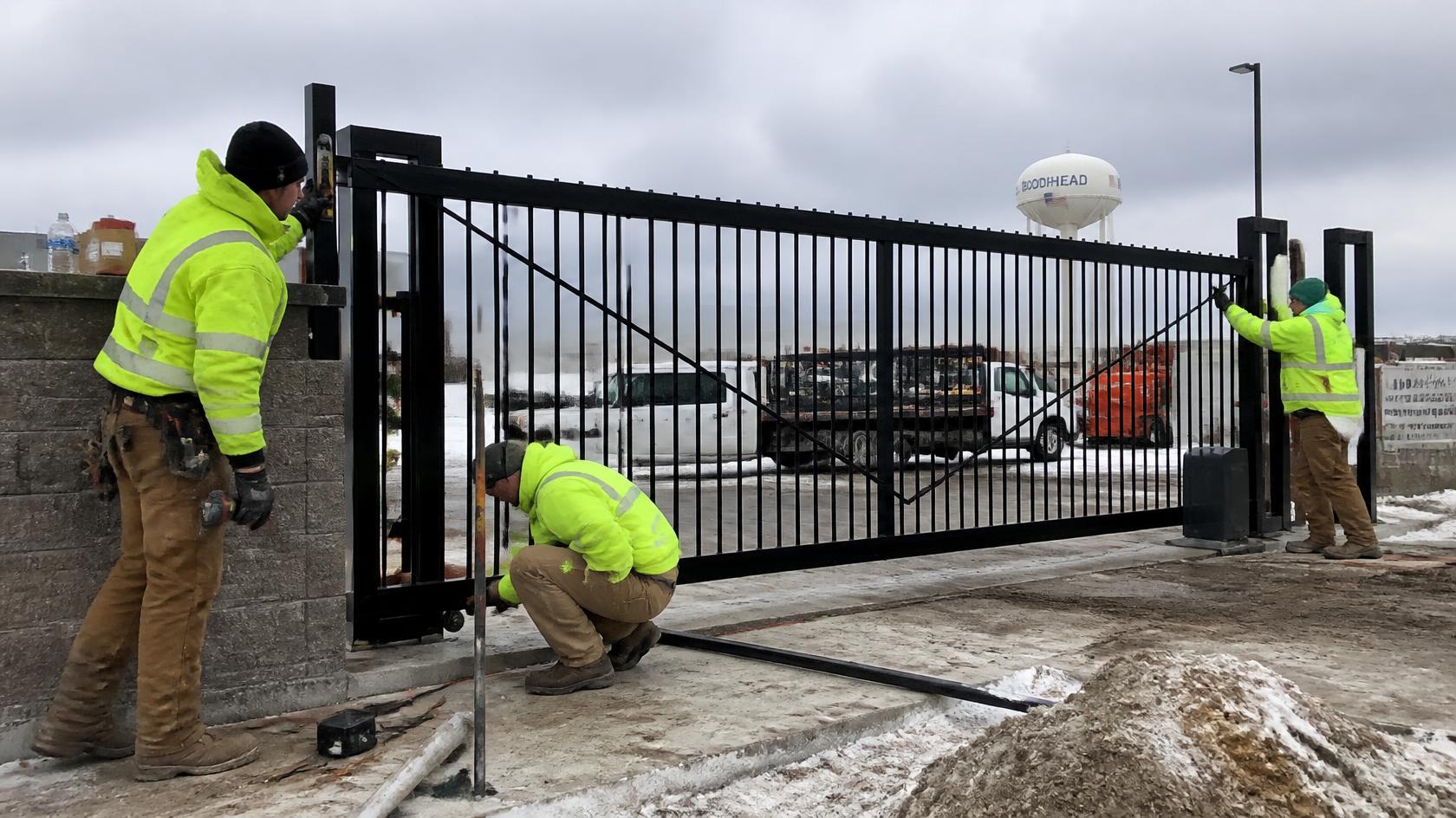
Commercial gate installation in Brodhead, WI, should be planned around traffic flow, vehicle size, security needs, snow removal, drainage, and winter access. Fall is a practical time to review gate width, placement, hardware, access control, and surrounding fence conditions before cold weather makes installation and site changes more difficult.
Why Commercial Gate Planning Matters
A commercial gate does more than open and close a fence line.
It affects how employees, customers, delivery vehicles, equipment, and service crews move through the property. It may also play an important role in security, restricted access, and daily operations.
For businesses and property managers in Brodhead, fall is a good time to review access needs before winter weather arrives.
Snow, ice, frozen ground, strong wind, and freeze-thaw cycles can all affect gate movement and the surrounding fence system.
Planning early helps make sure the gate is practical for everyday use and prepared for colder conditions.
Start With How the Property Is Used
Before choosing a gate, consider what needs to pass through it.
Different commercial properties have different access needs.
A small service entrance may only need pedestrian access, while a warehouse or equipment yard may need space for:
Delivery trucks
Trailers
Service vehicles
Snow removal equipment
Landscaping equipment
Utility vehicles
Employee traffic
Understanding the daily traffic pattern helps determine the right gate width, location, and operating style.
A gate that is too narrow can slow down operations and make vehicle movement more difficult.
Choose the Right Gate Location
Gate placement should work with the property layout rather than forcing vehicles or people into awkward routes.
Important factors may include:
Driveway location
Parking areas
Loading zones
Building entrances
Storage areas
Equipment yards
Dumpster enclosures
Emergency access
Snow storage areas
A poorly placed gate can create traffic conflicts or make winter snow removal harder.
Before installation, walk the site and consider how vehicles approach, turn, enter, and leave.
Plan the Correct Gate Width
Width is one of the most important decisions in commercial gate installation.
A pedestrian gate has very different requirements from a vehicle entrance.
Wider gates may be necessary when the property regularly handles:
Box trucks
Delivery vehicles
Utility trailers
Maintenance equipment
Snowplows
Large service vehicles
The opening should provide enough room for normal use without creating unnecessary material and hardware costs.
It is also important to think about turning space.
A gate may technically be wide enough, but nearby buildings, curbs, parked vehicles, or landscaping can still make access difficult.
Swing Gate or Sliding Gate?
The available space and traffic pattern can help determine which gate type makes more sense.
Swing Gates
Swing gates open inward or outward and require clear space for the full gate movement.
They can work well where there is enough open area around the entrance.
However, winter planning is important because snow buildup can block the swing path.
Sliding Gates
Sliding gates move parallel to the fence line.
They may be useful where there is limited space in front of or behind the entrance.
The travel path must remain clear of snow, ice, debris, and obstacles.
The property layout, gate size, traffic, and maintenance needs should all be considered before choosing between the two.
Think About Manual Versus Controlled Access
Some commercial properties only need a basic manual gate.
Others may need controlled entry to manage who can access certain areas.
Access control may include systems such as:
Keypads
Card readers
Remote entry
Gate operators
Other controlled-entry equipment
When access control is part of the project, the gate and electrical or control components should be planned together.
Winter operation also matters.
Snow and ice can interfere with moving parts, sensors, tracks, or entry areas if the site is not designed with enough clearance.
Review the Existing Fence
A new commercial gate depends on the strength of the surrounding fence.
Before installation, inspect nearby:
Posts
Rails
Chain link fabric
Panels
Hardware
Existing openings
Gate posts carry more stress than standard fence posts because they support moving weight.
If surrounding fence sections are already leaning or damaged, they may need repair before the new gate is installed.
Installing a new gate into a weak fence system can lead to alignment problems later.
Plan for Snow Removal
Snow management should be part of the gate design.
Commercial properties in Brodhead may need regular plowing around entrances, parking areas, loading zones, and service roads.
Before installation, decide:
Where snow will be pushed
Where snow piles will be stored
How plows will approach the gate
Whether the gate path will stay clear
Whether markers are needed near posts
Heavy snow piled against a gate can block movement and place pressure on the fence.
Snowplows may also strike posts or hardware when visibility is reduced.
Planning the snow route before winter can help protect the new gate.
Keep Gate Clearance in Mind
Ground clearance becomes more important during winter.
A gate that barely clears pavement or gravel during fall may drag once snow, ice, or frost builds up.
Swing gates need enough clearance to move freely.
Sliding gates need an unobstructed travel path.
Uneven ground can also affect gate operation.
Low spots, heaving pavement, or gravel buildup should be considered before the final height is set.
Check Drainage Around the Gate
Water can create problems around commercial gate posts and entry areas.
Poor drainage may lead to:
Standing water
Mud
Ice buildup
Soil erosion
Freeze-thaw movement
If water repeatedly collects near gate posts, the surrounding ground may shift over time.
Before installation, look at how runoff moves through the area.
Downspouts, parking lot drainage, slopes, and low spots can all affect the gate entrance.
Managing water early can help reduce winter icing and long-term movement.
Consider Wind Exposure
Commercial gates can experience significant wind pressure, especially when they are large or use solid panels.
Open chain link gates generally allow more airflow than solid privacy gates.
However, any large gate can place stress on hinges, posts, rollers, and hardware during strong wind.
Exposed properties should be evaluated carefully.
Gate size and material should match the site conditions rather than appearance alone.
Choose the Right Fence and Gate Material
The gate should usually work with the surrounding fence and the property's security needs.
Common commercial options include:
Chain Link Gates
Chain link is practical for many commercial sites because it provides visibility and perimeter control.
It can work well around storage yards, equipment areas, parking lots, and service zones.
Wood or Privacy Gates
Wood may be used where visual screening is important.
Commercial privacy gates may be useful around dumpsters, service areas, or equipment zones.
Because solid designs catch more wind, proper support is important.
Aluminum or Ornamental Gates
Aluminum or ornamental gates may be used around office properties, customer-facing entrances, or landscaped areas where appearance matters.
These styles usually provide a more open look while still defining access.
Think About Security Without Overcomplicating Access
Commercial gates need to balance security with daily convenience.
Too little security can leave the site vulnerable.
Too much restriction can make routine access frustrating for employees, deliveries, and maintenance crews.
Consider:
Who needs regular access
What hours the gate is used
Whether deliveries occur after hours
Whether visitors need entry
Whether separate pedestrian access is needed
Whether the site requires controlled vehicle access
The goal is to create a gate system that supports operations rather than slowing them down.
Check Local Requirements Before Installation
Commercial gate projects may be subject to local requirements depending on the property and use.
Possible considerations may include:
Setbacks
Fence height
Visibility near roads
Property lines
Emergency access
Permit requirements
These details should be reviewed before the gate location and design are finalized.
Addressing them early can help avoid changes later.
Plan the Project Timeline Before Cold Weather
Late-season gate installation requires flexible scheduling.
Fall conditions in Wisconsin can change quickly.
Potential delays may include:
Heavy rain
Muddy ground
Early snow
Frozen soil
Cold temperatures
Shorter daylight hours
Starting the planning process before winter gives property owners more time for site evaluation, measurements, materials, and installation.
If repairs to the existing fence are needed, those should also be included in the schedule.
Consider Maintenance After Installation
Commercial gates usually receive more movement than the rest of the fence.
That means they should be checked regularly.
Routine inspection should include:
Hinges
Rollers
Tracks
Latches
Locks
Gate posts
Fasteners
Access control components
After snowstorms or periods of freezing weather, make sure the gate still opens and closes smoothly.
Keeping snow, ice, and debris away from moving parts can help reduce unnecessary wear.
Plan Access Before Winter Makes Changes Harder
A commercial gate should fit the way the property operates every day.
Gate width, location, traffic flow, snow removal, drainage, access control, fence condition, and winter clearance all affect how well the system performs.
Planning these details in fall gives Brodhead businesses and property managers time to solve potential access problems before colder weather arrives.
Dach Fence provides commercial fence installation, gate installation, fence repair, fence replacement, chain link fencing, wood fencing, vinyl fencing, aluminum or ornamental fencing, temporary fencing, and access control when relevant.
If you are planning a commercial gate installation in Brodhead, WI, contact Dach Fence for a free estimate and help designing an access point that works for your property before winter.
