
Commercial Fence Winter Readiness in Clinton, WI: Perimeter, Gates and Access
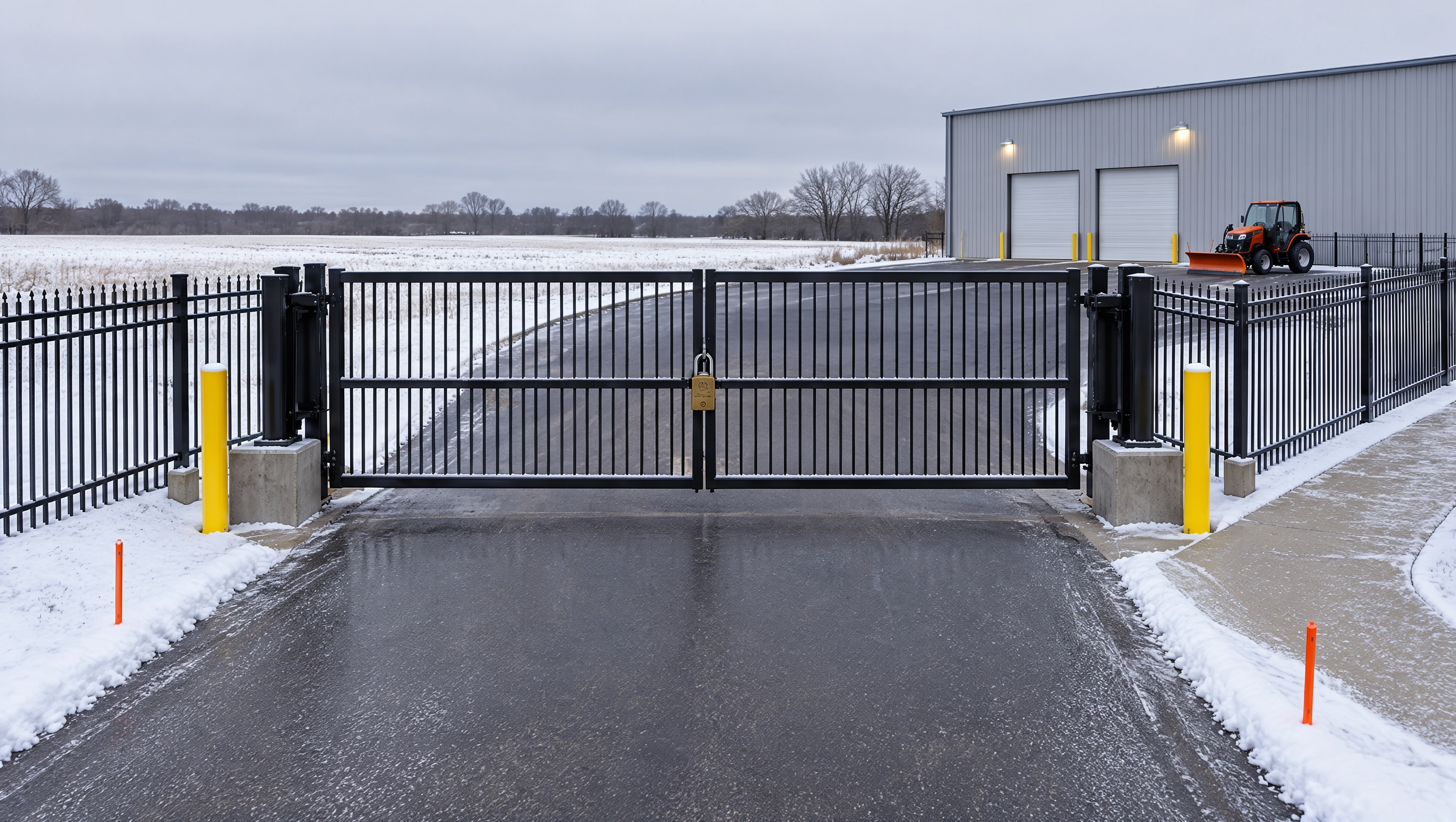
Commercial fence winter readiness in Clinton, WI, should focus on the full perimeter, gate operation, access points, drainage, hardware, and snow removal planning. Property managers should address unstable posts, loose chain link, gate alignment problems, corrosion, and security gaps before snow and freezing conditions make them harder to manage.
Why Winter Readiness Matters for Commercial Fencing
Commercial fencing supports more than the property boundary.
It may help control:
Vehicle access
Employee entry
Equipment security
Storage areas
Loading zones
Restricted spaces
Once winter arrives, snow, ice, road salt, frozen ground, and snow removal equipment can add stress to weak areas.
For Clinton businesses, November is a good time to inspect the system and address problems that could affect security or daily operations.
Start With the Full Perimeter
Walk the entire fence line instead of checking only the main entrance.
Look for:
Leaning posts
Loose fabric
Bent rails
Cracked panels
Bottom gaps
Rust
Storm damage
Gate problems
Long fence runs can hide weak areas behind buildings, equipment, or landscaping.
A full inspection gives property managers a clearer picture of what needs attention before winter.
Check Posts for Stability
Posts support the fence system.
Inspect for:
Leaning
Movement
Corrosion
Rot
Soil gaps
Vehicle impact
Gate, corner, and terminal posts deserve extra attention because they often carry more stress.
If one of these posts shifts, nearby rails, panels, or chain link fabric may also move.
Review the Ground Around Posts
The soil around a fence post can reveal early problems.
Look for:
Mud
Erosion
Standing water
Exposed concrete
Soil pulling away from the base
Wet or unstable ground can contribute to post movement.
Freeze-thaw cycles may make that movement more noticeable during winter.
Inspect Chain Link Fabric
Chain link fabric should remain tight and properly connected.
Check for:
Sagging
Loose ties
Bent mesh
Gaps near terminal posts
Lifted bottom sections
Loose fabric may create a security concern.
If tension has changed, inspect the supporting posts and hardware before tightening only the mesh.
Check Rails and Connections
Rails help keep the perimeter aligned.
Look for:
Bending
Loose fittings
Separation
Impact damage
Fence sections near parking lots, driveways, loading areas, and service lanes may be more likely to have vehicle-related damage.
If one rail is bent, inspect the surrounding posts and fabric too.
Look for Bottom Gaps
Snow can hide openings along the lower edge of a fence.
Before winter, check for:
Soil washout
Erosion
Lifted fabric
Panel gaps
Animal-created openings
Bottom gaps may affect security or containment.
They are easier to identify and repair before snow covers the area.
Test Every Vehicle Gate
Commercial gates usually receive more wear than standard fence sections.
Open and close each vehicle gate several times.
Watch for:
Sagging
Dragging
Sticking
Uneven movement
Latch problems
Lock problems
A gate that is already difficult to operate may become worse once snow and ice reduce clearance.
Check Pedestrian Gates Too
Employee and customer gates should not be overlooked.
Make sure they:
Close fully
Latch properly
Sit on stable posts
Have adequate ground clearance
Pedestrian access can become difficult quickly if snow or frozen ground interferes with a gate that was already slightly misaligned.
Inspect Gate Posts
Gate posts carry both gate weight and repeated operating stress.
Look for:
Leaning
Movement
Corrosion
Soil erosion
Impact damage
If a gate no longer lines up with its latch, the supporting post may be part of the problem.
Repeated latch adjustments may not provide a lasting fix.
Check Hinges, Rollers, and Latches
Inspect gate hardware for wear.
Check:
Hinges
Rollers
Latches
Locks
Fasteners
Gate stops
Sliding gates should move freely through their full path.
Swing gates should not drag or require lifting.
Worn hardware is easier to address before snow and ice interfere with access.
Review Access-Control Equipment
Some commercial entrances may use:
Keypads
Card readers
Automatic operators
Remote entry systems
Vehicle controls
The physical gate should operate correctly before access-control equipment is tested.
If the gate is dragging or binding, the operator may be working harder than it should.
Keep controls clear of debris and future snow storage areas.
Check Ground Clearance
Winter can reduce gate clearance.
A gate that barely clears the ground in November may begin dragging after:
Snow
Ice
Frost movement
Gravel shifting
Check the entire swing or sliding path.
This is especially important for wide commercial entrances and high-use gates.
Review Drainage Around Entrances
Water collecting around gates can become a winter access problem.
Look for:
Standing water
Mud
Parking lot runoff
Low areas
Erosion
Once temperatures drop, standing water may freeze.
Poor drainage can also contribute to soil movement around gate posts.
Check for Rust and Corrosion
Metal fence components may face more moisture and road salt during winter.
Inspect:
Post bases
Rails
Hinges
Latches
Gate frames
Fasteners
Surface rust may be minor.
Deeper corrosion affecting structural components should be evaluated before winter increases exposure.
Inspect Parking Lot Edges
Fence sections near parking lots often experience more wear.
Look for:
Bent posts
Scraped rails
Vehicle impact
Salt exposure
Snowplow damage
Even a small collision can weaken a section without causing it to fall.
Check nearby connections and posts if you see signs of impact.
Review Loading and Service Areas
Loading zones combine vehicle traffic, deliveries, and frequent gate use.
Inspect:
Gate alignment
Corner posts
Rails
Chain link tension
Hardware
Problems in these areas may affect both security and daily operations.
They should usually receive high priority.
Check Privacy and Screening Sections
Some commercial properties use wood or vinyl around:
Dumpster enclosures
Employee spaces
Service areas
Storage zones
Wood should be checked for:
Rot
Loose boards
Weak rails
Leaning posts
Vinyl should be checked for:
Cracks
Loose panels
Alignment problems
Post movement
Solid fence sections also receive more wind pressure than open chain link.
Clear Leaves and Vegetation
Fall debris can hide problems along the bottom of the fence.
Remove:
Leaves
Vines
Weeds
Brush
Fallen branches
This makes it easier to see:
Rust
Rot
Bottom gaps
Drainage issues
Keeping the fence line clear also makes winter maintenance easier.
Check Overhanging Branches
Snow and ice can add weight to nearby tree limbs.
Look for:
Dead branches
Cracked limbs
Branches already touching the fence
Falling branches can damage posts, rails, panels, and gates.
Obvious hazards should be addressed before winter storms.
Plan Snow Removal Routes
Snow removal should be part of fence preparation.
Review:
Plow routes
Snow storage areas
Gate entrances
Fence corners
Access-control equipment
Avoid pushing heavy snow directly against the fence.
Compacted snow can place pressure on posts, rails, fabric, and panels.
Keep Snow Storage Away From Gates
Gate areas should remain clear throughout winter.
Large snow piles can:
Block vehicle access
Restrict pedestrian movement
Cover hardware
Obstruct controls
Reduce visibility
Sliding gates also need their entire travel path kept open.
Mark Vulnerable Posts
Posts near driveways and parking areas can become difficult to see after snowfall.
Visible markers may help protect:
Gate posts
Terminal posts
Corners
Fence ends
This can reduce accidental snowplow or vehicle damage.
Review Emergency and Service Access
Commercial properties should also verify that important access points remain practical.
Check routes for:
Service vehicles
Deliveries
Maintenance teams
Emergency access
A gate that becomes blocked by snow or ice can disrupt more than normal traffic.
Winter readiness should include how the property will function during difficult weather.
Prioritize Security Problems First
Not every issue needs immediate repair.
Higher-priority concerns include:
Gates that will not lock
Large perimeter gaps
Loose chain link
Unstable terminal posts
Damaged access-control entrances
Openings near equipment or storage
Cosmetic concerns can usually wait until structural and security issues are handled.
Decide Between Repair and Replacement
Repair may be practical when damage is limited to:
One post
One bent rail
Loose fabric
Gate hardware
A small damaged panel section
Replacement may make more sense when there is:
Widespread corrosion
Multiple failing posts
Repeated gate problems
Extensive impact damage
Large sections out of alignment
The full perimeter should be evaluated before making that decision.
Use a Commercial Winter Readiness Checklist
Before winter, confirm that:
Posts are stable
Rails are secure
Fabric or panels are intact
Gates operate smoothly
Locks and latches work
Access control is functioning
Drainage is reviewed
Corrosion is checked
Vegetation is cleared
Snow storage is planned
Vulnerable posts are visible
This gives property managers a practical list of priorities.
Prepare the Perimeter Before Winter Arrives
Commercial fence winter readiness should focus on security, access, and reliable daily operation.
For Clinton property managers, November is a good time to inspect perimeter fencing, vehicle and pedestrian gates, hardware, drainage, traffic areas, and snow removal routes before colder conditions make small problems harder to handle.
Dach Fence provides commercial fence repair, replacement, installation, gates, chain link fencing, wood fencing, vinyl fencing, aluminum or ornamental fencing, temporary fencing, and access control when relevant.
If your commercial fence in Clinton, WI, needs maintenance or repair before winter, contact Dach Fence for a free estimate.
