
Commercial Fence Site Planning in South Beloit, IL: What to Prepare
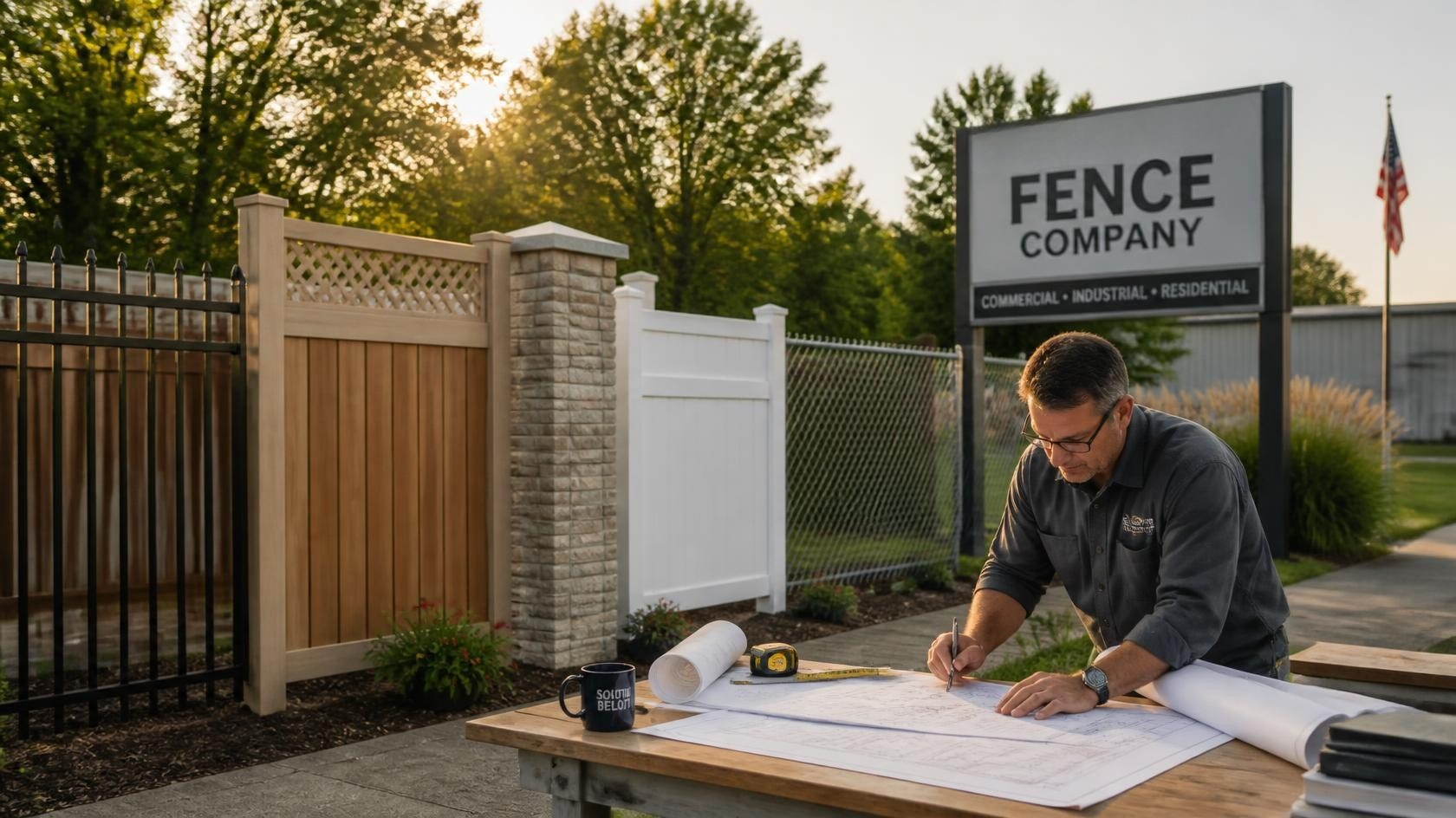
Before commercial fence installation begins in South Beloit, IL, businesses should prepare more than the fence line itself. Property boundaries, security zones, vehicle access, underground utilities, drainage, gate locations, work areas, snow storage, and future expansion should all be reviewed before materials and installation plans are finalized.
Start With a Clear Site Plan
Commercial fence projects become easier to manage when the property is reviewed as a complete site rather than simply a perimeter.
Before installation, identify:
Property boundaries
Buildings
Parking areas
Loading zones
Driveways
Outdoor storage
Equipment areas
Employee entrances
Customer entrances
Utility equipment
Existing fencing
The goal is to determine where fencing will improve security without interfering with daily operations.
A well-planned fence should guide movement around the site instead of creating new obstacles.
Identify the Areas That Actually Need Security
Not every section of a commercial property requires the same level of protection.
Separate the property into functional areas.
Public Areas
Customer entrances, sidewalks, visitor parking, and landscaped areas should remain easy to identify and navigate.
Employee Areas
Employee parking and entrances may require controlled access without making daily entry inconvenient.
Operational Areas
Loading zones, work areas, and service routes should remain accessible to authorized vehicles and staff.
High-Security Areas
Equipment, trailers, outdoor inventory, company vehicles, and storage yards may need stronger perimeter fencing and fewer entry points.
This approach helps businesses choose fencing based on actual risk instead of installing the same system everywhere.
Confirm Property Boundaries Before Layout Work
Commercial fencing should be based on accurate property information.
Existing curbs, pavement, landscaping, or older fencing should not automatically be assumed to follow the legal property line.
Before installation:
Review an available property survey
Locate known property markers
Resolve unclear boundaries
Check shared access areas
Review easements
Identify public rights-of-way
Confirming the boundaries early can help avoid redesigning or relocating a fence after work has started.
Review Easements and Required Access
Some parts of the property may need to remain accessible even when they fall inside the planned fence.
Possible concerns include:
Utility easements
Drainage easements
Shared driveways
Public rights-of-way
Service access
A fence that blocks required access can create long-term problems.
Gate locations or setbacks may need to be adjusted so authorized access remains possible.
Locate Underground Utilities
Fence posts require digging, so underground services should be considered before post locations are finalized.
Commercial sites may contain:
Electrical lines
Gas service
Water lines
Sewer lines
Communication cables
Businesses may also have privately installed underground systems such as:
Parking lot lighting
Security wiring
Drainage piping
Irrigation
Electrical service to detached buildings
Utility locations may require small changes to individual post positions or larger adjustments to the fence route.
Review Existing Pavement and Surfaces
Commercial fence routes often cross more than grass.
Installation areas may include:
Concrete
Asphalt
Gravel
Compacted soil
Landscaping
Soft ground
These surfaces can affect installation methods and site preparation.
It is useful to identify where fencing will transition between surfaces and where gates will cross driveways or parking areas.
Gate areas should have stable surfaces that support dependable daily operation.
Plan Vehicle Traffic Before Choosing Gate Locations
Vehicle access should be one of the first site-planning decisions.
Review how the property is used by:
Employee vehicles
Delivery trucks
Work trailers
Maintenance vehicles
Waste collection trucks
Snowplows
Emergency responders
A gate should connect naturally with the areas vehicles already need to reach.
A poorly located gate may force trucks through customer parking or create difficult turns near buildings.
Measure for Real Vehicle Access
Gate width should be planned around actual vehicles rather than guessing.
Consider:
Vehicle width
Trailer length
Turning radius
Approach angle
Curbs
Nearby parking spaces
Buildings
Landscaping
A wide gate can still be difficult to use if the surrounding approach is too tight.
Businesses should think about both current vehicles and equipment they may use in the future.
Decide Whether Separate Entrances Are Needed
Some commercial sites work better with more than one gate.
Possible entrances may include:
Customer access
Employee access
Delivery access
Service access
Emergency access
Separating traffic can make a property easier to manage.
For example, delivery trucks may be routed directly toward loading or storage areas instead of passing through visitor parking.
Plan Pedestrian Access Separately
Employees and visitors should not necessarily use the same opening as trucks and equipment.
Dedicated pedestrian gates can:
Reduce interaction with vehicle traffic
Provide more convenient employee entry
Direct visitors toward correct entrances
Reduce unnecessary use of large vehicle gates
Pedestrian gates should connect logically with parking areas, sidewalks, and building doors.
Prepare for Access-Control Equipment
If the property will use controlled entry, those needs should be planned before installation.
Options may include:
Keypads
Card readers
Remote controls
Intercom systems
Automatic gate operators
Employee credentials
Site preparation may need to account for:
Electrical service
Wiring
Equipment mounting locations
Vehicle detection
Backup operation
Manual release
Emergency access
Planning this infrastructure early can reduce the need to modify finished fencing later.
Choose Fence Materials by Location
Different parts of the site may benefit from different materials.
Chain Link for Operational Areas
Chain link is often practical for:
Equipment yards
Outdoor storage
Vehicle areas
Warehouses
Utility zones
Long commercial boundaries
Its open design maintains visibility and catches less wind than solid fencing.
It also works well with large commercial gates.
Ornamental Fencing for Visible Areas
Aluminum and ornamental fencing may work well near:
Main entrances
Offices
Visitor parking
Landscaped areas
Customer-facing boundaries
These options can create a secure boundary while maintaining a professional appearance and open sightlines.
Privacy Screening for Service Areas
Some parts of the property may be better screened.
Examples include:
Dumpsters
Mechanical equipment
Outdoor materials
Employee service areas
Wood, vinyl, or selected privacy screening can help hide these areas from public view.
Solid fencing should be positioned carefully because it creates more wind resistance and can reduce visibility.
Clear the Proposed Fence Line
Site preparation may require clearing obstacles before installation begins.
Review the route for:
Brush
Low branches
Vines
Debris
Abandoned materials
Temporary equipment
Stored inventory
Removing unnecessary obstacles can provide better access for installation crews and help prevent the fence from being built too close to vegetation.
Trees and major landscaping should be evaluated carefully rather than removed automatically.
Review Drainage Before Construction
Commercial properties can have significant runoff from roofs and paved surfaces.
Look for:
Parking lot runoff
Downspout discharge
Standing water
Drainage channels
Low areas
Erosion
Snowmelt routes
A fence should not unnecessarily block drainage or redirect water toward buildings or neighboring properties.
Gate areas need particular attention because standing water can freeze and interfere with operation.
Plan Around Slopes and Uneven Ground
The proposed fence route may include:
Slopes
Ditches
Low spots
Gravel edges
Soft soil
Tree roots
These conditions can affect how the fence follows the property.
Gate areas generally perform better on stable, reasonably level ground.
Identifying elevation changes before installation helps determine where adjustments may be necessary.
Prepare for South Beloit Weather
Commercial fencing in northern Illinois must perform through changing seasonal conditions.
Common concerns include:
Strong winds
Severe thunderstorms
Heavy rain
Snow
Ice
Freeze-thaw cycles
Solid fencing and privacy screening receive more wind pressure than open chain link or ornamental designs.
Freeze-thaw cycles may also shift soil around posts and affect gate alignment.
Material choice, drainage, and structural support should account for these conditions.
Decide Where Snow Will Be Stored
Snow removal should be planned before a fence closes off portions of the property.
Identify snow storage areas near:
Parking lots
Driveways
Loading zones
Employee entrances
Storage yards
Avoid repeatedly pushing heavy snow against:
Fence panels
Mesh
Posts
Gates
Automatic gate equipment
Sliding or automatic gates also need enough clearance to remain functional during winter.
Keep Emergency and Service Access in Mind
Some entrances may need to remain usable even when they are not part of everyday traffic.
Review access for:
Emergency responders
Utility providers
Maintenance crews
Waste collection
Fire or building service areas
Emergency and service requirements should be considered before gates and restricted areas are finalized.
Prepare for Existing Fence Removal
If the new project replaces older fencing, determine how removal will affect the schedule.
Existing fences may include:
Concrete-set posts
Damaged gates
Overgrown vegetation
Old footings
Attached screening
Businesses should also determine where removed materials can be staged temporarily without blocking normal operations.
Consider Temporary Security During Construction
Some businesses cannot leave equipment or storage areas open while permanent fencing is being replaced.
Temporary fencing may help maintain controlled access during:
Fence removal
Construction
Property expansion
Site renovations
Planning temporary security ahead of time can reduce disruption during the project.
Decide Where Materials and Equipment Can Be Staged
Installation crews may need room for:
Fence materials
Posts
Gates
Equipment
Removed fencing
A designated staging area can help keep customer parking, delivery routes, and emergency access clear.
Commercial properties with limited space should identify these areas before installation begins.
Think About Future Expansion
A fence should not unnecessarily limit future property changes.
Consider whether the business may eventually need:
More parking
Additional storage
Larger trucks
New equipment
Building additions
Another driveway
Additional gates
Planning a wider entrance or preserving space for future access can reduce costly modifications later.
Review Applicable Requirements Before Scheduling
Commercial fence requirements may depend on property use, location, height, and placement.
Before construction, review applicable considerations involving:
Setbacks
Fence height
Driveway visibility
Utility access
Public rights-of-way
Emergency access
Gate placement
Commercial property use
Resolving these details before materials are ordered can help prevent delays.
Prepare Your South Beloit Commercial Site With Dach Fence
Good commercial fence installation begins with good site planning.
Property boundaries, security zones, vehicle movement, gates, utilities, drainage, winter access, and future expansion should all be reviewed before construction starts.
Dach Fence installs commercial chain link, wood, vinyl, aluminum, ornamental, temporary, and security fencing. The team also provides fence repair, replacement, dumpster enclosures, vehicle and pedestrian gates, and access-control solutions.
Contact Dach Fence for a free estimate and practical recommendations for preparing your South Beloit, IL commercial property for a new fence.
