
Commercial Fence Replacement Planning in Orfordville, WI: Security, Access and Budget
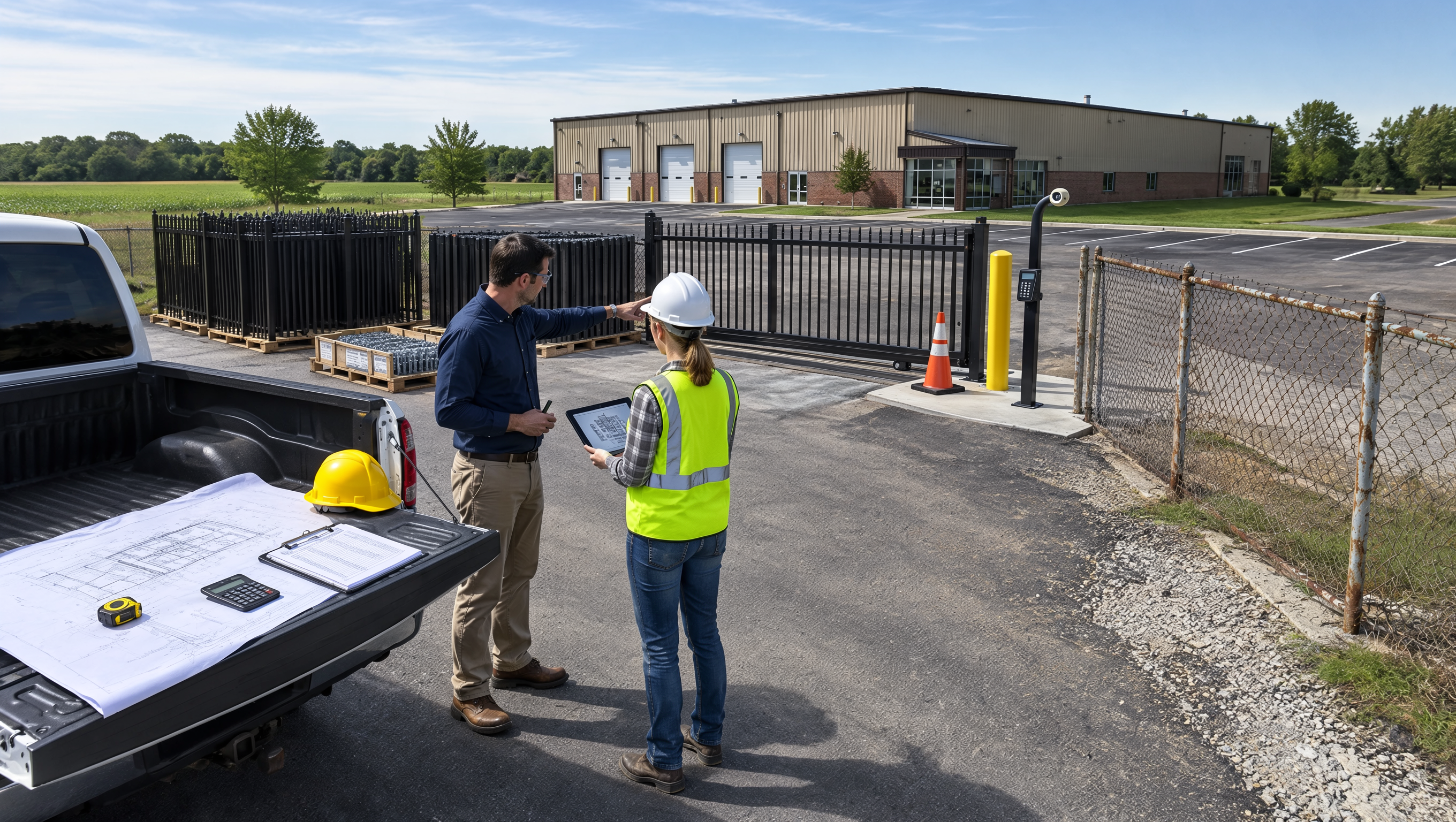
Commercial fence replacement in Orfordville, WI, should be planned around security needs, vehicle and pedestrian access, gate layout, existing fence removal, site conditions, and budget. Reviewing these details before demolition can help reduce disruptions and make it easier to compare replacement options.
Why Commercial Fence Replacement Needs Careful Planning
Replacing a commercial fence is more involved than simply removing the old system and installing a new one.
The fence may support:
Perimeter security
Employee access
Vehicle control
Equipment protection
Loading areas
Restricted zones
That means replacement planning should consider how the property will continue operating while work is underway.
For Orfordville property managers, the best approach is to review security, access, and budget before the existing fence is removed.
Start With the Current Fence Condition
Walk the full perimeter and identify why replacement is being considered.
Look for:
Multiple leaning posts
Widespread corrosion
Loose chain link
Repeated gate problems
Bent rails
Damaged panels
Large security gaps
If damage is limited to one area, repair may still be practical.
Replacement becomes more reasonable when problems affect several parts of the system or repairs keep returning.
Identify the Main Security Priorities
Different commercial properties need different levels of protection.
Before choosing a new fence, define what needs to be secured.
This may include:
Equipment
Inventory
Vehicles
Storage areas
Employee-only zones
Utility spaces
Some parts of the property may need stronger perimeter control than others.
Planning by security priority can help avoid overspending on sections that do not need the same level of protection.
Review the Entire Fence Layout
Do not assume the new fence should follow the old layout exactly.
A replacement project is a good opportunity to improve:
Gate locations
Traffic flow
Pedestrian access
Delivery routes
Snow removal
Security zones
Walk the property and identify areas where the existing fence creates inconvenience.
Correcting those issues during replacement may provide more value than simply recreating the old setup.
Plan Vehicle Access Early
Commercial gates should fit the vehicles that actually use the site.
Consider access for:
Delivery trucks
Trailers
Service vehicles
Maintenance equipment
Snowplows
A gate that is too narrow can create daily problems.
Changing the width later may require moving posts and rebuilding nearby sections.
Separate Pedestrian and Vehicle Access When Useful
Some properties benefit from separate gates for people and vehicles.
This may improve access near:
Employee entrances
Parking areas
Offices
Service zones
A dedicated pedestrian gate can reduce the need to open a large vehicle gate for everyday foot traffic.
It can also make the overall access plan easier to manage.
Decide Whether Access Control Is Needed
Some commercial replacement projects may include:
Keypads
Card readers
Automatic gate operators
Remote entry
Vehicle access systems
These features should be considered before gates are finalized.
The gate, hardware, posts, and access-control system need to work together.
Adding them after installation may require additional changes and cost.
Compare Fence Materials by Function
Material choice can have a major effect on the replacement budget.
Chain Link
Chain link is commonly used for commercial perimeters because it provides:
Visibility
Airflow
Flexible gate options
Practical security
It may work well around storage, equipment, and service areas.
Aluminum or Ornamental Fencing
This may be a better fit near:
Offices
Customer entrances
Landscaped areas
It can provide security while maintaining a more finished appearance.
Wood or Vinyl
Wood and vinyl may be used where screening or privacy is needed.
Common applications include:
Dumpster enclosures
Employee spaces
Service areas
Storage zones
Solid fencing creates more wind resistance than open fencing, so site exposure should be considered.
Consider a Mixed-Material Plan
One material does not need to be used around the entire property.
A business may use:
Chain link around the main perimeter
Ornamental fencing near the entrance
Vinyl or wood around service areas
This can help balance:
Security
Privacy
Appearance
Budget
A mixed approach may be more efficient than using a premium or solid fence everywhere.
Review Existing Gates Before Reusing Locations
The old gate locations may no longer fit current operations.
Ask whether they still work for:
Deliveries
Employee traffic
Maintenance access
Customer entry
Emergency access
Replacement gives property managers an opportunity to reposition gates before new posts are installed.
Plan Winter Gate Clearance
In Orfordville, winter access should be part of the design.
Gate openings need enough clearance for:
Snow
Ice
Frost movement
Gravel shifting
Swing gates need a clear arc.
Sliding gates need an unobstructed travel path.
A gate that barely clears the surface during installation may become difficult to use later.
Plan Snow Removal Routes
Fence replacement should work with winter property maintenance.
Before finalizing the layout, identify:
Plow routes
Snow storage areas
Gate entrances
Fence corners
Access-control equipment
Avoid placing important gates directly where snow is regularly piled.
Heavy snow should also not be pushed repeatedly against fence sections.
Review Drainage
Drainage problems may have contributed to the old fence failing.
Look for:
Standing water
Mud
Erosion
Parking lot runoff
Low areas
If several posts have shifted in the same wet section, water may be part of the problem.
Replacing the fence without considering drainage can lead to similar issues later.
Consider Existing Fence Removal
Commercial fence removal may involve:
Posts
Concrete
Chain link fabric
Panels
Rails
Gates
Old gate or terminal posts may have substantial concrete footings.
Make sure the estimate clearly explains whether removal, hauling, and disposal are included.
Plan Temporary Security
If the existing fence is part of a secure perimeter, the property may not be able to remain open during replacement.
Temporary fencing may be useful around:
Equipment
Storage areas
Restricted zones
Active work areas
This should be planned before demolition begins.
Temporary security may also affect the project budget.
Consider Phased Replacement
Larger commercial properties may benefit from replacing the fence in sections.
Phased work can help maintain:
Security
Vehicle access
Employee movement
Deliveries
One area can remain protected while another section is being replaced.
This may extend the overall schedule, but it can reduce disruption to business operations.
Review Site Access
Installation crews need room to move materials and equipment.
Access may be more difficult because of:
Buildings
Parked vehicles
Stored equipment
Landscaping
Loading areas
Limited access can affect labor and scheduling.
The estimate should reflect actual site conditions rather than assuming an open property.
Check Pavement and Hard Surfaces
Commercial fence lines often run next to:
Asphalt
Concrete
Curbs
Parking lots
These surfaces may affect post removal and new installation.
Gate locations through paved areas also need careful planning for smooth vehicle movement.
Compare Fence Height Carefully
Height can change both security and cost.
Taller fencing generally requires more:
Material
Post support
Gate structure
Choose the height based on actual security needs.
Applicable local requirements should also be reviewed before the final design is approved.
Build the Budget Around the Full Scope
The replacement budget should include more than the visible fence material.
Ask whether the estimate covers:
Material
Height
Footage
Gates
Hardware
Access control
Old fence removal
Temporary fencing
Site preparation
Cleanup
A lower quote may simply include fewer components.
Compare Quotes on the Same Basis
When reviewing proposals, make sure each contractor is pricing the same project.
Compare:
Fence type
Height
Total length
Number of gates
Gate widths
Removal work
Cleanup
Access-control features
If the specifications differ, the totals are not directly comparable.
A detailed scope makes the budget easier to understand.
Think About Long-Term Maintenance
Replacement cost is only one part of the decision.
Chain link should be monitored for:
Loose fabric
Corrosion
Bent rails
Wood may require more routine surface maintenance.
Vinyl generally needs less surface upkeep but should still be checked for panel and post movement.
Ornamental fencing should be inspected for impact damage and loose connections.
The best material should fit both the initial budget and long-term maintenance expectations.
Prioritize Budget Where Security Matters Most
Not every section needs the same investment.
Consider spending more where the property needs:
Controlled access
Stronger gates
Higher security
Privacy
Less critical boundaries may be able to use a simpler system.
This can help keep the replacement budget focused on the areas that matter most.
Use a Commercial Fence Replacement Checklist
Before removing the old fence, confirm that:
Security priorities are defined
The new layout is finalized
Gate locations are planned
Gate widths are adequate
Access control is reviewed
Drainage is checked
Snow removal is considered
Temporary security is planned
Removal and disposal are included
The full project scope is clear
This can reduce surprises once work begins.
Plan the Replacement Around Security, Access and Budget
Commercial fence replacement should improve how the property functions, not simply replace old materials.
For Orfordville businesses, the best plan considers perimeter security, gate access, traffic flow, drainage, winter operations, removal work, and long-term maintenance before construction begins.
Dach Fence provides commercial fence replacement, repair, installation, gates, chain link fencing, wood fencing, vinyl fencing, aluminum or ornamental fencing, temporary fencing, and access control when relevant.
If you are planning commercial fence replacement in Orfordville, WI, contact Dach Fence for a free estimate based on your property, security needs, access requirements, and project scope.
